


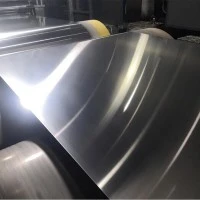



The pharmaceutical aluminum foil plays a vital role in preventing temperature fluctuations that could potentially impact the stability and efficacy of medications. Here's how it achieves this:
Thermal Insulation: Pharmaceutical aluminum foil acts as a thermal insulator, providing a barrier between the medicine and the external environment. It helps to minimize the impact of temperature changes on the enclosed medications.
Heat Reflectivity: The foil's reflective surface helps in reflecting a significant portion of heat radiation away from the medicine, reducing the temperature rise inside the packaging due to external heat sources.
Temperature Regulation: By forming a sealed enclosure around the medication, the aluminum foil maintains a relatively stable microenvironment. It mitigates rapid temperature changes that may occur outside the package.
Preventing Condensation: Aluminum foil's impermeability to moisture prevents condensation from occurring inside the package when there are temperature fluctuations. This avoids the risk of moisture-related degradation of the medication.
Cold Resistance: Pharmaceutical aluminum foil remains resilient even at low temperatures, preventing the foil from becoming brittle and maintaining its integrity during transport and storage in cold environments.
Heat Resistance: Aluminum foil is capable of withstanding high temperatures, providing a protective barrier against heat exposure during storage, shipping, and distribution.
Compatibility with Cold Chain Management: Pharmaceutical aluminum foil is compatible with cold chain management processes, maintaining the desired temperature range during transportation and storage of temperature-sensitive medications.
Inert Properties: Aluminum foil is chemically inert, ensuring that it does not react with the medication or release harmful substances that could affect its stability.
In summary, pharmaceutical aluminum foil acts as a reliable safeguard against temperature fluctuations, maintaining a controlled environment for medications. Its thermal insulation, heat reflectivity, and resistance to moisture ensure that the enclosed medicine remains protected from adverse temperature conditions, thus preserving its potency and efficacy.

