Company Profile
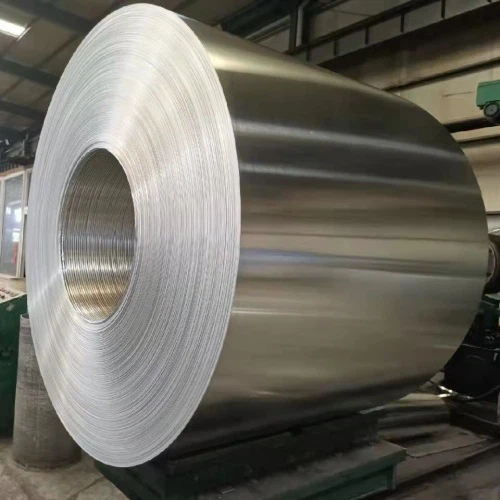
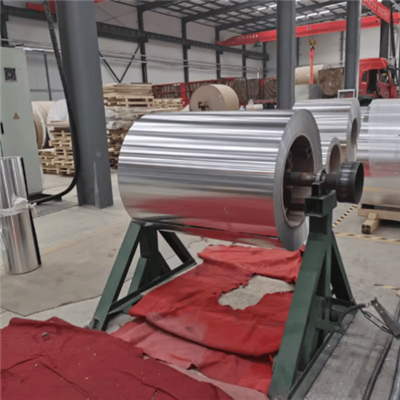
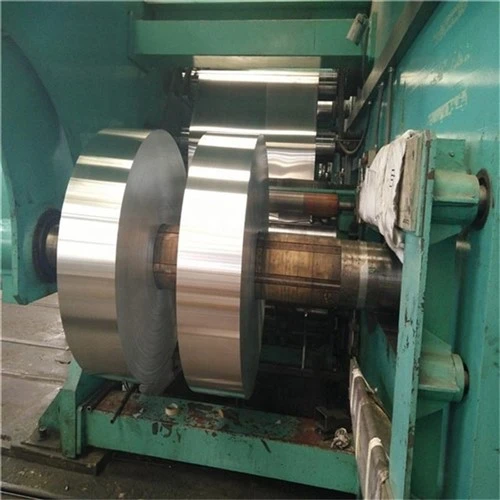
GNEE is a leading manufacturer and supplier of aluminum foil products for a variety of industries and applications. Founded in 2008, After about 18 years of development, the services and products have extended to more than 100 countries and areas across the world.
Our company employs 330 people and owns 8000 workshops. Its capital is more than 3,500,000 USD. The sales amount yearly is more than 80,000,000 USD. The company specializes in the production of high-quality aluminum foil products, including household foil, pharmaceutical foil, food container foil, and industrial foil, among others.
GNEE is a trusted and reputable supplier of high-quality aluminum foil products, with a proven track record of delivering exceptional products and services to customers around the world.
High quality
Our products are manufactured or executed to very high standards, using the finest materials and manufacturing processes.
Long warranty
The long-term warranty is designed to give consumers more confidence that their purchases and services will continue to be valid.
Professional team
Our professional team collaborate and communicate effectively with one another and are committed to delivering high-quality results. They are capable of handling complex challenges and projects that require their specialized expertise and experience.
Quality control
We have professional personnel to monitor the production process, inspect the products, and ensure that the final product meets the required quality level standards, guidelines, and specifications.
What Is Heat Sealing Aluminium Foil?
Heat sealing aluminum foil is a process in which a heat source is used to melt a polymer layer on the aluminum foil, creating a strong adhesive bond that securely seals packages. This process is commonly used for packaging food products, pharmaceuticals, and other sensitive goods that require protection from external influences such as air, moisture, and light. Heat sealing aluminum foil is a fast and efficient means of packaging products that can be easily automated for high-volume production.
Preserves freshness
One of the main benefits of heat sealing aluminium foil is that it can help to preserve the freshness of food and other products. By providing a barrier against air, moisture, and light, aluminium foil can help to prevent spoilage, oxidation, and other forms of deterioration.


Protects against contamination
Heat sealing aluminium foil can also help to protect products against contamination from outside sources. Whether it's bacteria, dust, or other types of contaminants, aluminium foil can provide a secure seal that helps to keep products safe and free from contamination.
Enhances shelf life
By preserving freshness and protecting against contamination, heat sealing aluminium foil can help to extend the shelf life of products. This can be especially beneficial for products that have a longer storage life, such as canned goods or dried foods.


Provides tamper evident packaging
Heat sealing aluminium foil can also provide tamper evident packaging, which helps to reassure consumers that the product has not been tampered with or altered in any way. This can be especially important for products that are considered to be high-risk, such as pharmaceuticals.
Easy to use
Heat sealing aluminium foil is also very easy to use, making it a popular choice for both commercial and domestic applications. With a simple heat sealer, you can quickly and easily seal packages of all shapes and sizes, without the need for any additional equipment or complicated procedures.


Cost-effective
Heat sealing aluminium foil is relatively cost-effective compared to other packaging materials. Additionally, the high barrier properties of the foil help reduce the need for additional protective layers, making it even more cost-effective.
Heat sealing aluminum foil is a popular packaging material that is used to seal the contents in a variety of applications. The aluminum foil is coated with a heat seal lacquer that creates a strong seal when heat is applied, ensuring the contents remain fresh and free from contamination. Depending on the specific application, there are different types of heat sealing aluminum foil available. Here are some of the most common types of heat sealing aluminum foil available.
Peelable foil
This type of foil features a heat-sealable layer that can be peeled off easily. It is commonly used for packaging foods that require easy access, such as yogurts, puddings, and other dairy products. The peelable seal also makes it easy to reseal the package to keep the contents fresh.
Embossed foil
This type of foil features an embossed pattern that helps create a strong seal when heat is applied. The pattern helps to reduce the amount of air that can escape from the package, keeping the contents fresh for longer. This type of foil is commonly used for food packaging, pharmaceutical packaging, and other applications where a tight seal is required.
Blister foil
This type of foil is used to package pharmaceutical products, such as tablets and capsules. The foil features a heat-sealable layer that bonds to the plastic or PVC backing, creating a blister pack that is tamper-proof and easy to open.
Laminated foil
This type of foil is composed of multiple layers of materials, including aluminum, polyester, and polypropylene. The layers are bonded together using heat and pressure, creating a strong and durable material that is ideal for food packaging, medical packaging, and other applications.
Coated foil
This type of foil is coated with a variety of materials, such as acrylic and epoxy, to enhance its performance and durability. The coating helps the foil resist water, chemicals, and other substances, making it ideal for packaging products that require protection from environmental factors. Coated foils are commonly used in the automotive, construction, and aerospace industries.
Heat sealing aluminum foil is a versatile and reliable packaging material that is used in a variety of applications. With the different types of heat sealing aluminum foil available, manufacturers and packaging engineers can choose the best type of foil for their specific needs.
Material of Heat Sealing Aluminium Foil
Heat sealing aluminum foil is typically made from aluminum alloy 8011 or 1235, which is a high-performance material with excellent thermal conductivity and heat resistance. It is usually laminated with a layer of polymer film such as PE or PVC to enhance the sealing properties and ensure the compatibility with different packaging materials. The thickness of the heat sealing aluminum foil ranges from 0.02 mm to 0.2 mm depending on the specific applications. It is widely used in the food, pharmaceutical, and cosmetic industries for packaging and sealing purposes.

Packaging industry
Heat sealing aluminum foil is widely used in the packaging industry to preserve the freshness and quality of food products. It is commonly used for packaging dry food, such as coffee, tea, and nuts. It ensures that the food is protected from moisture, light, and air, allowing it to maintain its quality during transportation and storage. Heat sealing aluminum foil bags are also commonly used for packaging perishable goods, such as meat, fruits, and vegetables, to extend their shelf life and prevent contamination.
Medical industry
Heat sealing aluminum foil is commonly used in the medical industry to package and preserve sterile equipment, surgical instruments, and medical devices. It ensures that the equipment remains sterile and protected from contamination during transportation and storage. Heat sealing aluminum foil is also used to package medicines and drugs, which require airtight packaging to prevent oxygen and moisture from degrading the product.
Industrial industry
Heat sealing aluminum foil is also widely used in the industrial sector for packaging industrial components, such as metal parts and electronic components. It provides a protective barrier against moisture, dust, and other contaminants, which could damage the products during transportation or storage.
Consumer goods
Heat sealing aluminum foil is also used in the manufacture of consumer goods, such as beauty products, clothing, and textiles. It is used to create a protective barrier against moisture, dust, and other contaminants. Heat sealing aluminum foil is also used to create decorative labels and packaging for consumer goods.
Select the appropriate heat sealing equipment
Before beginning the process of heat sealing, it is crucial to ensure that the correct heat sealing equipment is in place. This may vary depending on the material, the thickness of the aluminium foil, and the application. Some common heat sealing equipment is covered in foil sealers, conduction sealing machines, and induction sealing machines.
Prepare the sealing area
The area that requires heat sealing should be clean and free of debris. Any dust, oil, or other contaminants can compromise the seal's quality as they alter the heat transfer characteristics. The foil surface to be sealed must also be dry to ensure excellent adhesion between the thermoplastic material and the aluminium foil.
Insert the product
Once the sealing area is cleared, the product is placed inside the package and sealed securely. This is necessary to avoid product movement during the sealing process as this can compromise seal integrity.
Seal the package
The process of heat sealing aluminium foil occurs in different ways. One standard method uses a heating element to apply heat to the sealing area. The heating element is set at an appropriate temperature, pressured using a sealing head, and this heats the polymer material to a melting point. The heat also applies to the foil beneath, resulting in melt bonding between the two materials. When the area is cooled, the thermoplastic hardens and creates a strong, hermetic seal.
Check the seal integrity
Once the sealing process is complete, check the product to ensure the seal's quality and appearance. For example, check for any leaks, gaps, or wrinkles that could affect the seal's integrity.


Heat sealing aluminum foil is a popular method of sealing materials because of its excellent barrier properties, flexibility, and durability. The process involves using heat to laminate a layer of the foil to a surface, creating a moisture-resistant barrier that can protect against air, moisture, and other environmental factors. The components of heat sealing aluminum foil typically include.
Aluminum Foil
The main component of heat sealing aluminum foil is the aluminum foil itself. Typically, this is made from a thin layer of aluminum that has been rolled into a flat sheet. This foil is typically coated with a layer of heat-activated adhesive, which is designed to bond the foil to the substrate being sealed.
Substrate
The substrate is the material that the aluminum foil is being sealed to. Common substrates include plastics, paper, and cardboard. The substrate needs to be able to withstand the heat required for the heat sealing process without melting or distorting.
Heat-Sealing Equipment
Heat-sealing equipment is essential for the process of heat sealing aluminum foil. This equipment can range from simple handheld devices to large industrial machines, depending on the application. The equipment uses heat and pressure to melt the adhesive on the foil and bond it to the substrate.
Adhesive
The adhesive used on the foil is typically a heat-activated adhesive designed to bond the foil to the substrate. This adhesive can be made from a variety of materials, including polyethylene, polypropylene, acrylic, or polyester.
Release Liner
A release liner is a protective layer that is placed over the adhesive on the foil before it is sealed to the substrate. The release liner is designed to protect the adhesive from any contamination or damage before the foil is applied to the substrate.
Seal Strength and Durability
The strength and durability of the seal are critical factors in the heat sealing process. A good seal must be strong enough to resist tearing or puncture and must be durable enough to withstand exposure to environmental factors like moisture and air. The seal strength is affected by several factors, including the heat and pressure used during the sealing process and the thickness of the foil.
How to Maintain Heat Sealing Aluminium Foil?
Store in a cool, dry place
The heat sealing aluminum foil should be kept in a cool, dry place, away from direct sunlight, moisture, and humidity. This will prevent the material from warping or losing its integrity.
Avoid exposure to heat
Heat sealing aluminum foil should not be exposed to high temperatures for prolonged periods, as this can cause the material to melt or become brittle. Always store the material away from heat sources and avoid placing it near radiators or other heat-producing appliances.
Handle with care
Heat sealing aluminum foil is a delicate material that can be easily torn or damaged if handled roughly. Always handle the material with care, and avoid folding or bending it too sharply.
Clean before use
Before using the heat sealing aluminum foil for packaging, make sure it is clean and free from any dirt or debris that may affect its ability to seal properly. Use a clean, dry cloth to wipe the material and ensure it is free of any contaminants.
Use proper sealing equipment
Heat sealing aluminum foil should be used with the appropriate sealing equipment to ensure a tight and secure seal. Make sure the equipment is clean and functioning correctly before use, and follow the manufacturer's instructions for optimal results.
Our company owns 330 employees and 8000 work shop. Its capital is more than 3,500,000 USD. The sales amount yearly is more than 80,000,000 USD. The company specializes in the production of high-quality aluminum foil products, including household foil, pharmaceutical foil, food container foil, and industrial foil, among others.

We're professional heat sealing aluminium foil manufacturers and suppliers in China, specialized in providing high quality products and service. We warmly welcome you to wholesale discount heat sealing aluminium foil for sale here from our factory. For price consultation, contact us.
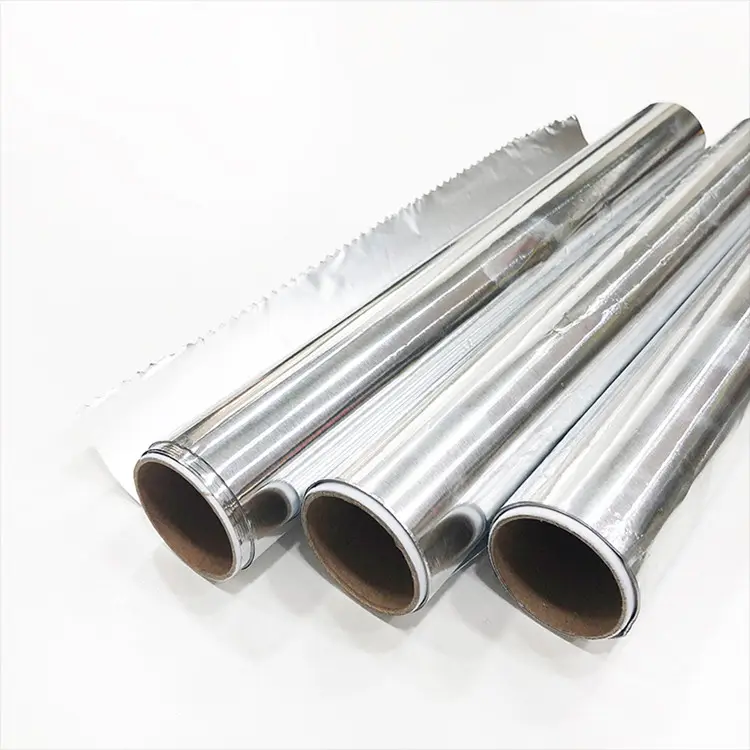
Heat Sealing Aluminium Foil, Aluminium Foil Roll for Food Packaging, Aluminum Foil Roll