Company Profile
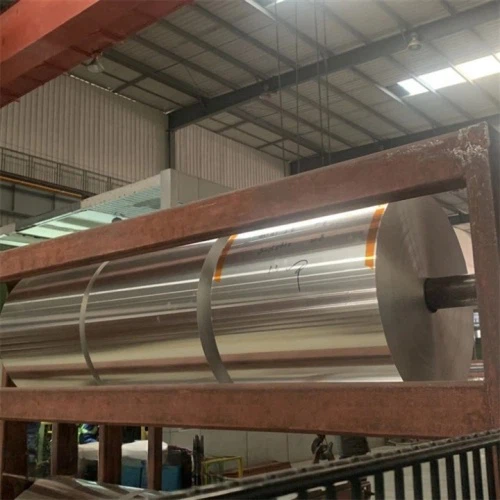
GNEE is a leading manufacturer and supplier of aluminum foil products for a variety of industries and applications. Founded in 2008, After about 18 years of development, the services and products have extended to more than 100+ countries and areas across the world.
The company specializes in the production of high-quality aluminum foil products, including household foil, pharmaceutical foil, food container foil, and industrial foil, among others.
GNEE is a trusted and reputable supplier of high-quality aluminum foil products, with a proven track record of delivering exceptional products and services to customers around the world.
High quality
Our products are manufactured or executed to very high standards, using the finest materials and manufacturing processes.
Long warranty
The long-term warranty is designed to give consumers more confidence that their purchases and services will continue to be valid.
Professional team
Our professional team collaborate and communicate effectively with one another and are committed to delivering high-quality results. They are capable of handling complex challenges and projects that require their specialized expertise and experience.
Quality control
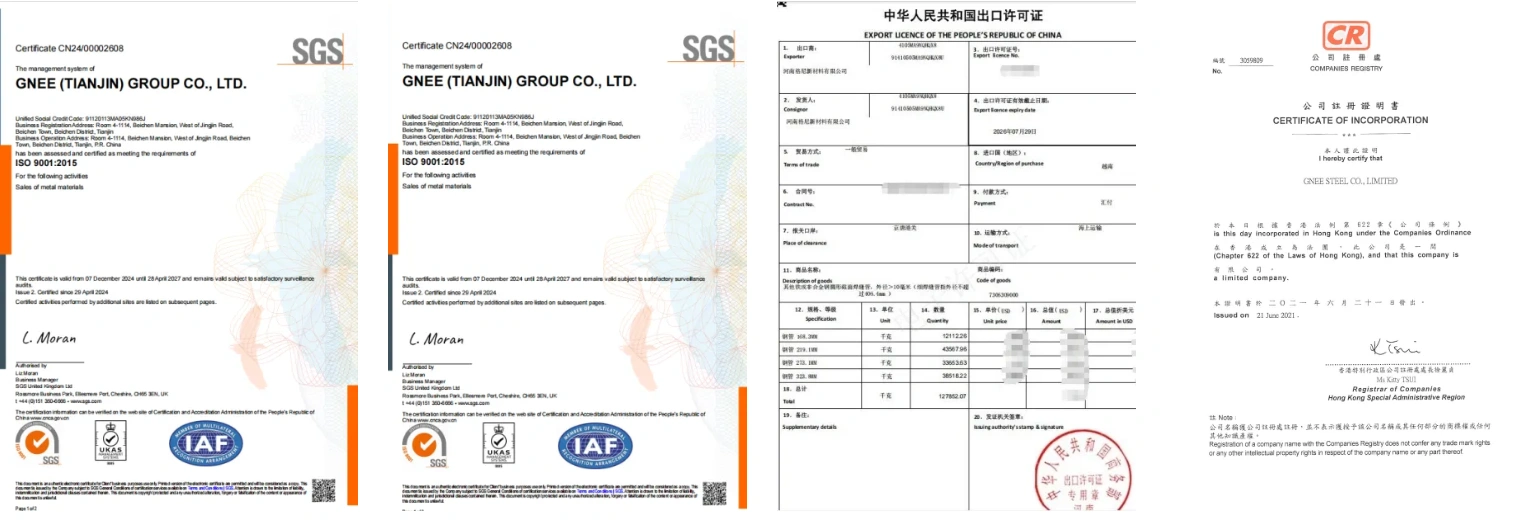
We have professional personnel to monitor the production process, inspect the products, and ensure that the final product meets the required quality level standards, guidelines, and specifications.
What Is Industrial Aluminium Foil?
Industrial aluminum foil is a thin sheet of aluminum that is used in various industrial applications such as packaging, insulation, electronics, and transportation. Aluminum foil is highly durable and has exceptional barrier properties, which makes it ideal for protecting products from moisture, light, and other contaminants. This type of foil is commonly used in the construction industry as a vapor barrier or insulator, in the food and beverage industry for packaging and preserving food, and in the automotive industry for insulation and heat shielding. It is also used in the production of capacitors, electronic circuitry, and computer components. Industrial aluminum foil typically ranges in thickness from 0.006 to 0.050 mm, and can be purchased in rolls or sheets.


Barrier properties
Industrial aluminium foil has excellent barrier properties, which makes it ideal for use in the packaging industry. It protects food, pharmaceuticals, and other sensitive materials from moisture, oxygen, light, and other contaminants. The foil is impermeable to gases, moisture, and odours, making it ideal for creating airtight packaging.
Heat conductivity
Aluminium has excellent heat conductivity properties, making it the ideal material for use as a heat exchanger. Industrial aluminium foil is used in the HVAC industry to create air ducts, heat exchangers, and other heating and cooling systems. The foil's high thermal conductivity allows for efficient heat transfer, reducing energy consumption and costs.
Electrical properties
Aluminium foil has excellent electrical conductivity properties, making it ideal for use in the electrical industry. It is used in the construction of cables, capacitors, transformers, and other electrical components. The foil's ability to form a continuous shield and conduct electrical current efficiently makes it an ideal choice in these applications.
Strength and durability
Aluminium foil is a strong and durable material that can withstand harsh environments. It can be rolled into thin sheets without compromising its strength, allowing for easy handling and transportation. The foil's resistance to corrosion, moisture, and other environmental factors makes it ideal for use in various industrial applications.
Versatility
Aluminium foil is a versatile material that can be used in various industries and applications. It can be shaped, cut, and printed to meet the specific needs of different products and industries. The foil's versatility allows for customization and cost-effectiveness in different applications.
Cost-effective
Industrial aluminium foil is also a cost-effective material compared to other options available in the market. It offers superior barrier protection and durability while being relatively affordable, making it an excellent choice for industrial applications.
Flexible packaging foil
Flexible packaging foil includes laminated structures that provide barrier properties for wrapping food, pharmaceuticals, and household articles. This type of industrial aluminum foil is designed to protect its contents from moisture, oxygen, and contamination.
Semi-rigid container foil
Semi-rigid container foil is used in the production of containers for airline meals, frozen foods, and take-out meals. This aluminum foil is manufactured with added strength to withstand handling during production, filling, and transportation.
Household foil
Household foil is a thin gauge aluminum foil that is commonly used for wrapping food items such as sandwiches, leftover food, and snacks. This type of industrial aluminum foil is flexible, strong, and offers heat retention properties.
Heat exchanger foil
Heat exchanger foil is used in the production of air conditioning units and heat exchangers. This industrial aluminum foil is made with high-performance alloys that offer good thermal conductivity and provide strength at elevated temperatures.
Automotive foil
Automotive foil is used in the manufacture of heat shields, gaskets, and insulation products for the automotive industry. This industrial aluminum foil is designed to withstand high temperatures, water, oil, and corrosive chemicals.
Finstock foil
Finstock foil is used in the production of heat exchangers, air conditioning, and refrigeration coils. This industrial aluminum foil acts as a barrier between the refrigerant and the air while improving energy efficiency.
Decorative foil
Decorative foil is used in the production of gift wrapping paper, metallic balloons, and holiday decorations. This industrial aluminum foil is available in a wide range of colors, patterns, and finishes, making it perfect for decorative purposes.
Material of Industrial Aluminium Foil
Industrial aluminium foil is typically made from high-quality aluminium alloy materials that have been annealed and heat-treated to improve their strength and durability. The most commonly used aluminium alloys for industrial foil are 1000, 3000, and 8000 series alloys. These alloys are chosen for their excellent corrosion resistance, thermal conductivity, and electrical conductivity properties. The aluminium foil is rolled to a desired thickness and treated with a food-grade surface coating to improve its properties further. The surface coating can provide added benefits such as increased durability and protection against corrosion, which makes it ideal for use in harsh industrial environments.

Packaging
One of the significant uses of industrial aluminium foil is in packaging. It is commonly used to pack food products and other perishable items because of its unique properties such as moisture, oxygen, and odour resistance. The foil ensures that the food is well protected, and it stays fresh for longer periods.
Insulation
Aluminium foil is also used as insulation in various industrial applications, such as HVAC systems to reduce heat loss and improve energy efficiency. It is also used as a radiant barrier in buildings to reflect heat away and keep the interior cool during hot weather conditions.
Electrical
Aluminium foil is an excellent conductor of electricity, and as such, it is commonly used for electrical insulation and wiring in various industrial applications. Its high conductivity also makes it a preferred material for manufacturing capacitors and other electronic devices.
Automotive
Aluminium foil can also be used in the automotive industry. It is commonly used for heat shielding, acoustic dampening, and insulation of various components such as engines, exhaust systems, and interior parts.
Medical
Aluminium foil is also used in the medical industry for various applications such as packaging, sterilization, and medical instruments. It is well suited for these applications because of its strength, flexibility, and sterility.
Process of Industrial Aluminium Foil
Melt casting and slabbing
The first step in the production of industrial aluminum foil is the melting and casting process. Aluminum ingots are melted in a furnace, and the molten aluminum is then poured into a casting machine. The machine produces slabs of aluminum that are cooled and then rolled into coil form.
Rough rolling
The slab is then sent to the rolling mill, where it is rough-rolled into thin strips. Rollers apply pressure to the slab, reducing its thickness to around 4-6 mm.
Annealing
The rough-rolled coil is then heat-treated in an annealing furnace to improve its strength and ductility. The process involves heating the coil to around 400-500°C and then slowly cooling it in a controlled environment.
Intermediate rolling
The annealed coil is then sent to the intermediate rolling mill, where it is further reduced in thickness to approximately 0.1mm. The rollers apply a high amount of pressure to the aluminum strip, ensuring uniform thickness throughout the entire length of the coil.
Final rolling
The final rolling process is where the thickness of the aluminum foil is achieved. The intermediate coil is sent through a series of rolling mills at high speed, reducing the thickness of the strip to around 0.008mm-0.2mm.
Finishing and cutting
The final stage of the process involves finishing the aluminum foil to meet the required specifications. The coil is trimmed to the desired width and length, and any defects are removed during this stage.
Quality control
Throughout the entire process of producing industrial aluminum foil, quality control is a crucial element. The aluminum is checked at each step to ensure that it meets the required standards for thickness, width, and quality. This ensures that the final product is of the highest quality standards.
Industrial aluminium foil is a thin sheet of aluminium that is used in a wide range of industrial applications. It is produced through a rolling process that compresses and stretches the aluminium until it is thin enough to be rolled into a foil. The quality of the aluminium foil depends on the raw materials used, the rolling process, and the final treatment and coating applied to the foil.
The main components of industrial aluminium foil include.
Alloy
The alloy used to produce industrial aluminium foil mainly consists of pure aluminium and other alloying elements such as magnesium, manganese, zinc, copper, and silicon. The choice of alloy depends on the specific application of the foil, and the properties required such as strength, durability, and corrosion resistance.
Thickness and width
The thickness and width of the foil sheets are important factors as they influence the mechanical and physical properties of the foil. Industrial aluminium foil can range from 0.006mm to 0.2mm in thickness and up to 1500mm in width. The thickness and width of the foil can be customized to meet the specific needs of the application.
Treatment and coating
Industrial aluminium foil is treated and coated to enhance its properties and performance. This can include surface treatment to improve its adhesion, corrosion resistance, and durability. Coatings can also be applied to the foil to improve its heat resistance, conductivity, and barrier properties.
Physical properties
The physical properties of industrial aluminium foil include its tensile strength, elongation, hardness, and ductility. These properties help to determine the strength and flexibility of the foil, which are important for its performance in different applications.
The components of industrial aluminium foil are chosen based on the specific application and performance requirements. By selecting the right alloy, thickness, width, treatment, and coating, manufacturers can produce high-quality aluminium foil that meets the needs of the industrial sector.


Store it properly
Aluminium foil should be stored in a dry, cool, and clean environment to prevent the absorption of moisture and other contaminants. It should be placed in the original packaging or a sealed container to avoid exposure to air and humidity.
Avoid direct contact with chemicals
Industrial aluminium foil should not be in direct contact with chemicals, solvents, or any corrosive agents. If it comes into contact with any chemical substance, it must be cleaned immediately with warm water and a mild soap or detergent.
Handle it with care
Aluminium foil is a delicate material that is easily scratched or torn. To prevent damages, it should be handled with care and caution. It is advisable to wear gloves while handling it to avoid damages due to oils or sweat from skin.
Keep it clean
Industrial aluminium foil should be kept clean to avoid any contamination issues. It can be cleaned by wiping it with a clean, dry cloth or a soft-bristled brush.
Check for damages
Regularly inspect your aluminium foil for any damages, such as tears, punctures, or cuts. If any damage is detected, it should be repaired or replaced immediately to avoid any leaching or cross-contamination.

We're professional industrial aluminium foil manufacturers and suppliers in China, specialized in providing high quality products and service. We warmly welcome you to wholesale discount industrial aluminium foil for sale here from our factory. For price consultation, contact us.
Aluminum Tread Plate, Aluminum Foil for Industrial, Industrial Aluminium Foil