HENAN GNEE NEW MATERIAL CO., LTD
86-372-5055135

Company Profile


GNEE is a leading manufacturer and supplier of aluminum foil products for a variety of industries and applications. Founded in 2008, After about 18 years development, the services and products has extended to more than 70 countries and area across the world.
Our company owns 330 employees and 35000 work shop.The sales amount yearly is more than 80,000,000 USD. The company specializes in the production of high-quality aluminum foil products, including household foil, pharmaceutical foil, food container foil, and industrial foil, among others.
GNEE is a trusted and reputable supplier of high-quality aluminum foil products, with a proven track record of delivering exceptional products and services to customers around the world.


Why Choose Us

High quality

Our products are manufactured or executed to very high standards, using the finest materials and manufacturing processes.

Long warranty

The long-term warranty is designed to give consumers more confidence that their purchases and services will continue to be valid.

Professional team

Our professional team collaborate and communicate effectively with one another, and are committed to delivering high-quality results. They are capable of handling complex challenges and projects that require their specialized expertise and experience.

Quality control

We have professional personnel to monitor the production process, inspect the products and ensure that the final product meets the required quality level standards, guidelines and specifications.


First 1234567 Last 1/190

What Is Aluminium Foil?


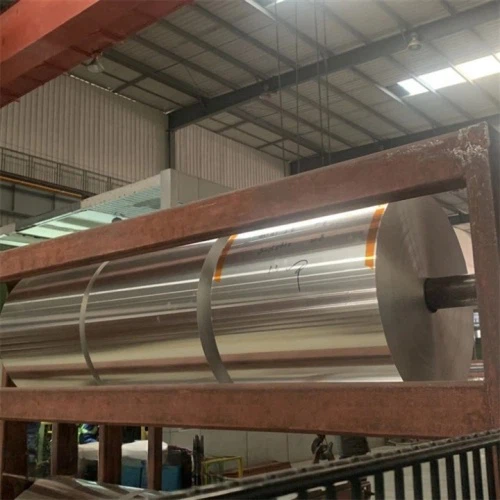
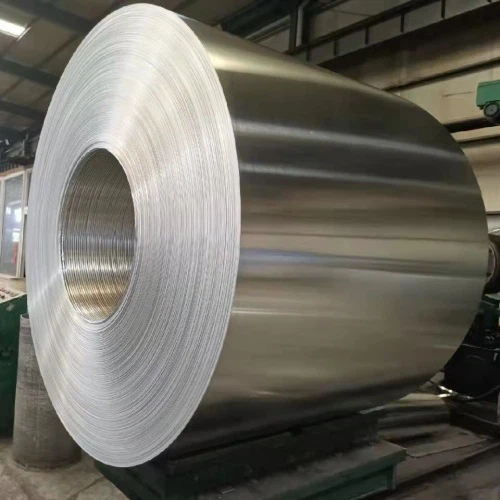
Aluminium foil is a thin, flexible metal sheet made from the metal aluminium. It is commonly used in packaging and cooking to wrap and cover food, as it is heat-resistant, impermeable to air and moisture, and can be easily shaped and molded. It can also be used in various industries for insulation, decoration, and as a component in electronic devices. Aluminium foil is recyclable and sustainable, making it a popular choice for eco-friendly packaging.


Benefits of Aluminium Foil
 
01/

Preserves food
Aluminium foil helps in preserving the taste and quality of the food. It acts as a barrier that prevents air, light, and moisture from spoiling the food. Whether it is cooked food or raw food, aluminium foil helps in keeping it fresh and safe.

02/

Heat conductor
Aluminium foil is a good conductor of heat, which means it can be used for cooking food in a variety of ways. It can be used to wrap food and put it in the oven, as a cover over the grill, or as a lining in baking pans. It helps in even heating and prevents the food from getting burnt.

03/

Provides insulation
Aluminium foil is an excellent insulator and can be used to keep food warm for a long time. It can be used to wrap food or cover it in a container to keep it warm. This makes it an ideal material to use during parties, gatherings, or any other event where food is served.

04/

Easy to use
Aluminium foil is easy to use and does not require any special preparation. You can easily wrap food, cover it in a container, or use it for cooking. It is also easy to fold and does not tear easily, which makes it convenient to use.

05/

Light and durable
Aluminium foil is a light and durable material that can withstand high temperatures. It is also resistant to moisture and does not rust or corrode. This makes it an ideal material to use for packaging and transportation.

06/

Cost-effective
Aluminium foil is a cost-effective material that is easily available in the market. It is affordable and is used in large quantities in the food industry. It is also recyclable, which makes it an eco-friendly material.


Types of Aluminium Foil
Characteristics Of Aluminum Foil
Aluminium Food Tray
Aluminum for aviation
Aluminium Food Tray

Aluminium foil is a versatile and widely used material for packaging foods, beverages, and pharmaceutical products. It is also used for insulation and heat transfer applications. There are several types of aluminium foil available in the market, each with unique characteristics and applications. In this article, we will discuss the types of aluminium foil in more detail.


Household Aluminium Foil: This is the most common type of aluminium foil found in households. It is typically used for wrapping and storing food items, such as sandwiches, leftovers, and snacks. Household aluminium foil is usually thin and flexible, making it easy to wrap and seal food items. It is also durable, puncture-resistant, and can withstand high temperatures.


Industrial Aluminium Foil: This type of aluminium foil is thicker and more durable than household foil. It is commonly used for thermal insulation, such as wrapping pipes, ducts, and electrical cables. Industrial aluminium foil is also used for packaging products that require high barrier protection against moisture, oxygen, and other gases.


Pharmaceutical Aluminium Foil: This type of aluminium foil is specifically designed for the pharmaceutical industry. It is used for packaging drugs and other medical products, providing a high level of protection against moisture, light, and oxygen. Pharmaceutical aluminium foil is typically thicker than household or industrial foil and has a special coating that makes it suitable for direct contact with medicines.


Laminated Aluminium Foil: This type of aluminium foil is made up of multiple layers of aluminium and other materials, such as polyester, paper, or polyethylene. It is used for a variety of applications, including food packaging, flexible ducts, and insulation. Laminated aluminium foil provides an excellent barrier against light, moisture, and gases, making it ideal for packaging products that require high barrier protection.


Aluminium Foil for Cooking and Baking: This type of aluminium foil is designed for use in cooking and baking. It is thicker than household foil and has a special coating that prevents it from sticking to food. Aluminium foil for cooking and baking is also strong enough to withstand high temperatures, making it perfect for use in ovens and on grills.


Aluminium foil is a versatile and widely used material that comes in various types and sizes. Each type of aluminium foil has unique properties and applications, making it suitable for different uses in different industries. Understanding the different types of aluminium foil can help you choose the right material for your packaging or insulation needs.


Material of Aluminium Foil


Aluminium foil is made from the metal aluminium, which is a silvery-white, lightweight and strong material. Aluminium is abundant in the earth's crust and is the third most abundant element, after oxygen and silicon. It is extracted from bauxite, a type of rock that contains aluminium, and refined through a combination of chemical and electrolytic processes. Aluminium foil is typically made by rolling out a sheet of pure aluminium, which is then cold-rolled and annealed to create a thin, flexible and highly formable material. The thickness of aluminium foil can vary depending on its intended use, but it is typically between 0.006 and 0.02 millimetres.


Application of Aluminium Foil 
 

Packaging

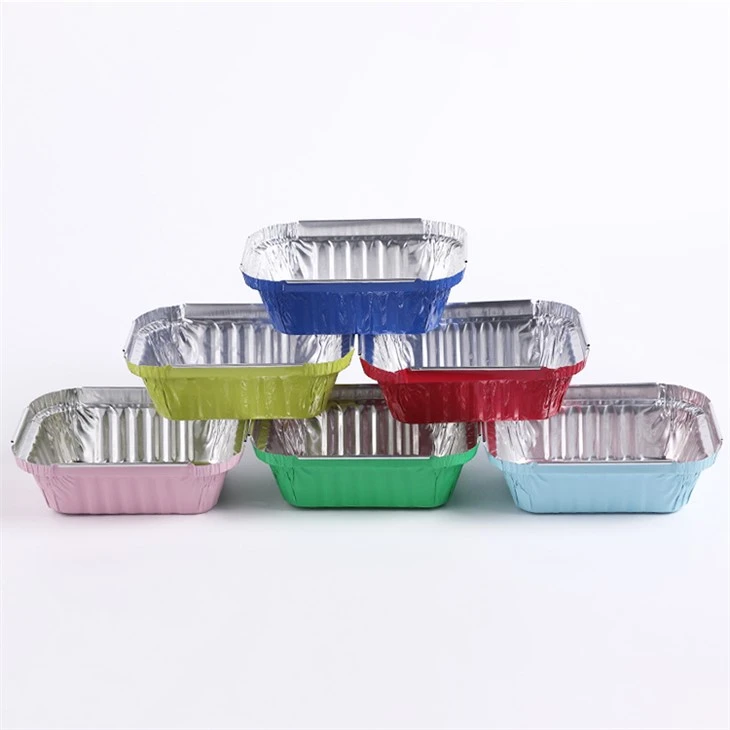
Aluminium foil is widely used for packaging a variety of products, including food, beverage, pharmaceutical and cosmetics. Its excellent barrier properties create a seal against air, moisture, and light, which helps to prevent spoilage, contamination and preserve freshness.

Aluminum Foil Lunch Box
Characteristics Of Aluminum Foil

Insulation

Due to its good thermal conductivity, aluminium foil is often used as a insulator in buildings and homes. It helps to keep the interior temperature stable and reduce energy costs by reflecting up to 97% of radiant heat.

Cooking and baking

Aluminium foil is a popular tool in the kitchen as it can be used to wrap or cover food to keep it fresh, to prevent spillage and to maintain moisture. It's also used for grilling, roasting and baking, as it creates a conductive surface that heats food quickly and evenly.

Aluminum for aviation
Aluminium Food Tray

Electronics

Due to its excellent electromagnetic shielding properties, aluminium foil is often used to protect electronic devices from interference and electromagnetic waves. It also helps to prevent electrostatic discharge, which can damage sensitive electronic components.

Art and craft

Aluminium foil is a popular material for art and craft projects. It can be easily shaped, cut and glued, and it has a shiny surface that can be decorated with markers, paints and other materials.

Aluminium Food Tray
Aluminum for aviation

Automotive

Aluminium foil is used in the automotive industry for insulation, soundproofing, and to prevent corrosion. It's also used to wrap and protect wires and cables from abrasion and moisture.


Process of Aluminium Foil


Refining the raw materials

Aluminium foil is made from high-purity aluminium, which is extracted from bauxite ore through a process called the Bayer process. The bauxite is first crushed and purified, and then treated with sodium hydroxide to remove impurities and create alumina. The alumina is then melted and mixed with cryolite, a chemical that reduces the melting point of the mixture, making it easier to extract the pure aluminium metal.

Rolling the metal into thin sheets

Once the pure aluminium metal is extracted, it is rolled into thin sheets through a series of rolling mills. Initially, the metal is heated to soften it and then passed through a series of rollers that gradually reduce its thickness. The rolling process continues until the desired thickness is achieved.

Annealing

After the initial rolling, the foil is annealed, meaning it is heated and then cooled in a controlled manner to improve its strength and flexibility. This process helps to remove any internal stresses that may have been created during the rolling process and makes the foil more malleable.

Slitting

Once the annealing process is complete, the foil is slit into smaller pieces of the desired size, allowing it to be packaged and sold more easily. The slitting process involves using a sharp blade to cut the foil into the correct width and length.

Coating

Finally, the foil may be coated with a protective layer to improve its performance and appearance. Coatings can be applied to one or both sides of the foil and can vary widely in thickness and composition, depending on the intended use of the foil.


Aluminum for aviation


Components of Aluminium Foil

Aluminium foil is a thin and versatile material that has a number of uses in packaging, cooking, insulation, and other applications. The basic components of aluminium foil include.

Aluminium metal: Aluminium foil is made from sheets of pure aluminium metal that are rolled out into thin, flexible sheets.

Alloys and additives: To improve the strength, durability, and other properties of aluminium foil, manufacturers often use alloys and additives. These may include elements like magnesium, silicon, copper, and zinc, which are added to the aluminium during the manufacturing process.

Coatings and finishes: Aluminium foil can also be coated or finished with various materials to enhance its properties or improve its appearance. For example, a coating of polyethylene can make the foil more resistant to moisture and chemicals, while a matte finish can make it easier to write or print on.

Layers and laminates: Aluminium foil can also be layered or laminated with other materials, such as paper or plastic, to create composite materials with enhanced properties. These composite materials can be used for a range of applications, from food packaging to insulation.

The components of aluminium foil work together to create a material that is strong, flexible, and versatile, with a range of properties that make it useful for a wide range of applications.


How to maintain Aluminium Foil?
Aluminum Foil Lunch Box
Characteristics Of Aluminum Foil
Aluminium Food Tray
Aluminum for aviation

Store the aluminium foil appropriately
Aluminium foil should be stored in a cool, dry place away from direct sunlight, moisture, and any sharp objects that can puncture or tear it. Ensure that the foil is not exposed to humidity or air as it can cause oxidation, which can lead to discoloration and decrease its effectiveness.

Keep the foil clean
If the aluminium foil gets dirty or stained by food particles, grease or oil, it is essential to clean it immediately. Use a soft cloth or sponge and mild detergent to clean the foil. Avoid using abrasive scrubbers or metal tools as they can scratch the foil surface, which can lead to tearing.

Use the foil correctly
Be careful when using aluminium foil, and avoid overstretching, creasing, or tearing it. Overstretching can cause the foil to lose its shape and not fit properly. Creasing can cause the foil to break when being used, which can result in contamination or wastage.

Choose the correct gauge
When selecting aluminium foil, it is essential to choose the correct gauge or thickness that suits your needs. Thin gauge foils are suitable for wrapping food items, while thicker gauge foils are ideal for cooking and baking.

Dispose of the foil correctly
Do not dispose of aluminium foil in the regular garbage bin. Instead, recycle it properly by cleaning it before putting it in the recycling bin. Ensure that the foil is not contaminated with food particles, grease or oil, as this can reduce its recycling potential.

 
Certifications


productcate-1-1


FAQ


Q: What is aluminium foil?

A: Aluminum foil is a thin, flexible sheet of aluminum metal that can be molded into different shapes and sizes. It is often used as a packaging material, as well as for cooking, insulation, and other applications.

Q: Is it safe to cook with aluminium foil?

A: Yes, it is safe to cook with aluminium foil. The FDA has deemed it safe for food contact and it is widely used in cooking applications. However, it is recommended to avoid cooking acidic or spicy foods on aluminium foil as it may react and transfer the metal into your food.

Q: Can aluminium foil be recycled?

A: Yes, aluminum foil can be recycled, but it needs to be clean and free of food residue. Check with your local recycling center for specific guidelines on how to recycle aluminum foil in your area.

Q: Can aluminium foil go in the microwave?

A: Yes, aluminium foil can be used in the microwave, but it should not come into direct contact with the food. It is best to use a microwave-safe container with a lid, or to cover the food with a microwave-safe lid or wrap.

Q: Can aluminium foil go in the oven?

A: Yes, aluminium foil can be used in the oven for cooking purposes. However, it is recommended to use heavy-duty aluminium foil to prevent it from tearing or melting.

Q: What are the different types of aluminium foil?

A: There are two main types of aluminium foil available - regular and heavy-duty. Regular aluminium foil is thinner and more lightweight, while heavy-duty foil is thicker and more suitable for heavy-duty cooking and wrapping needs.

Q: Can aluminium foil be used for freezing food?

A: Yes, aluminium foil can be used for freezing food. It helps to prevent freezer burn and keep the food fresh. It is recommended to use heavy-duty aluminium foil for freezing purposes.

Q: Is aluminum foil safe for food?

A: Yes, aluminum foil is considered safe for use with food. However, it is important to keep in mind that prolonged exposure to high temperatures can cause aluminum to leach into food, so it is recommended to avoid using aluminum foil for cooking acidic or spicy foods.

Q: What are the different thicknesses of aluminum foil?

A: Aluminum foil is available in different thicknesses, typically ranging from 0.00017 inch (0.0045 mm) to 0.0059 inch (0.15 mm). Thicker foil is generally stronger and more durable, while thinner foil is more flexible and easier to mold.

Q: What are some ways to use aluminum foil?

A: Aluminum foil is a versatile material that can be used for many purposes, including.
Wrapping and storing food
Cooking and baking
Insulating surfaces and objects
Protecting items during transport or storage
Reflecting heat and light
Crafting and art projects

Q: What are the benefits of using aluminium foil?

A: Aluminium foil is lightweight, durable, and easy to shape. It is an excellent barrier against moisture, light, and air, making it ideal for preserving food and keeping it fresh. It is also recyclable and does not release any harmful substances when exposed to high temperatures.

Q: How is aluminium foil made?

A: Aluminium foil is produced by rolling large sheets of aluminium metal into very thin, flexible sheets that can be easily cut and shaped.

Q: What are some common uses for aluminium foil?

A: Aluminium foil is commonly used for packaging food, as well as for wrapping and storing leftovers. It is also used for cooking and baking, as it is heat-resistant and can withstand high temperatures. Additionally, it is used for insulation in homes and buildings.

Q: Is aluminium foil safe to use for cooking and storing food?

A: Yes, aluminium foil is safe for cooking and storing food. However, it should not be used for acidic or salty foods, as these can cause the aluminium to dissolve and leach into the food.

Q: How should aluminium foil be stored?

A: Aluminium foil should be stored in a cool, dry place away from moisture and direct sunlight. It should also be kept away from acidic foods, as they can cause the foil to break down and release harmful chemicals.

Q: What are some alternative uses for aluminium foil?

A: Aluminium foil can be used for a variety of non-food purposes, such as for art and craft projects, as a light reflector, and for cleaning household appliances.

Q: Can aluminium foil be used for cooking?

A: Yes, aluminium foil can be used for cooking. It is commonly used for wrapping food for grilling, baking, and roasting.

Q: Can Aluminium Foil be used for barbecuing?

A: Yes, aluminium foil can be used for barbecuing. It can be used to wrap food and create a barrier between the food and the grill, or to line the grill to prevent food from sticking. However, it is important to ensure that the foil does not come into contact with direct flames or heat as it may catch fire.

Q: Does aluminum foil have any health risks?

A: There is no conclusive evidence that aluminum foil poses any health risks when used properly. However, it is important to avoid using it with high-acid or high-salt foods, as this can cause it to break down and potentially leach into the food.

Q: Can aluminum foil catch fire?

A: Yes, aluminum foil can catch fire if it is used improperly or exposed to high heat sources, such as a direct flame.

We're professional aluminium foil manufacturers and suppliers in China, specialized in providing high quality products and service. We warmly welcome you to wholesale discount aluminium foil for sale here from our factory. For price consultation, contact us.

(0/10)

clearall