


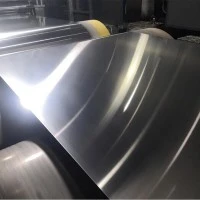



In lithium batteries, the main reason why copper foil is used for the negative electrode and aluminum foil is used for the positive electrode is their physical and chemical properties. In order to ensure the stability of the current collector within the battery, the purity of both is required to be above 98%.

1. Different physical and chemical properties
Copper foil has good electrical and thermal conductivity, which can effectively improve the energy density and charge and discharge efficiency of the battery. In addition, copper foil also has good mechanical strength and flexibility, which can meet the deformation and expansion requirements of the battery during charging and discharging.
In terms of chemical properties, the main reason is that copper foil can provide a stable electrode potential during electrochemical reactions, thereby ensuring the stability and safety of the battery. In addition, copper foil can also form good contact with the negative electrode material and improve the charging and discharging efficiency of the battery.
Aluminum foil has high specific strength and good ductility, which can meet the expansion and contraction requirements of the battery during charging and discharging. In addition, aluminum foil also has good corrosion resistance and oxidation resistance, which can extend the service life of the battery.
In terms of chemical properties, the main reason is that aluminum foil can provide a higher electrode potential in electrochemical reactions, thereby improving the energy density and charge and discharge efficiency of the battery. In addition, aluminum foil can also form good contact with the cathode material and improve the charging and discharging efficiency of the battery.

2. Good conductivity, soft texture and cheap price
The working principle of lithium battery is an electrochemical device that converts chemical energy into electrical energy. In this process, we need a medium to transmit the electrical energy converted from chemical energy, and conductive materials are needed here. Among ordinary materials, metal materials are the most conductive materials. Among metal materials, copper foil and aluminum foil are cheap and have good conductivity. At the same time, in lithium batteries, we mainly have two processing methods: winding and lamination. Compared with winding, the pole pieces used to prepare batteries need to have a certain degree of flexibility to ensure that the pole pieces do not suffer from brittle fracture and other problems during winding. Among metal materials, copper and aluminum foil are also soft metals. The last step is to consider the cost of battery preparation. Relatively speaking, copper and aluminum foil are relatively cheap, and the world is rich in copper and aluminum element resources.


