


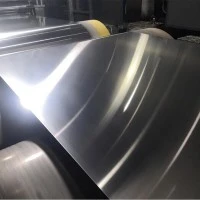



 Aluminum foil is a versatile material known for its unique characteristics. Here are some of its key features:
Reflectivity: Aluminum foil has a high reflectivity, meaning it reflects thermal radiation and light effectively. This property makes it useful for insulation purposes, as it can help prevent heat transfer and keep substances cooler or warmer.
Barrier properties: Aluminum foil is impermeable to moisture, light, gases, and microorganisms. It acts as an effective barrier, protecting the contents from external factors such as moisture, odors, and contaminants. This property makes it suitable for packaging food, pharmaceuticals, and other sensitive products.
Ductility and malleability: Aluminum foil is highly malleable, meaning it can be easily bent, folded, or wrapped around objects without losing its integrity. This characteristic allows it to conform to various shapes and sizes, making it ideal for packaging irregularly shaped items or creating custom covers.
Heat conductivity: Aluminum is an excellent conductor of heat, and aluminum foil shares this property. It can distribute heat evenly when used for cooking or baking, ensuring uniform heating and preventing hot spots.
Lightweight and thin: Aluminum foil is remarkably lightweight and thin, which makes it easy to handle and transport. Its thinness contributes to its flexibility and versatility in various applications.
Non-toxic: Aluminum foil is considered safe for food contact. It is non-toxic and does not impart any taste or odor to the substances it comes into contact with, making it widely used in food packaging and cooking.

