





Aluminum foil is an essential item in almost every household. It's versatile: You can use it for everything from foil-wrapped recipes to cleaning your grill. This convenient product also comes with a bit of mystery. A piece of aluminum foil is shiny on one side and dull and flat on the other. If you check the rectangular box it's sold in, you won't find any information about the reason for the discrepancy either. So what is given?
Is it better to place the casserole with the shiny side up or down before placing it in the oven? Here's what you need to know before tearing off another sheet of paper.

Why is one side of aluminum foil shiny?
When you pull a piece of aluminum foil from the roll, you'll notice a significant difference between the two sides. One of them is so shiny that it almost functions as a mirror. The other one, well, it's still silver, but not as sparkly. As it turns out, there's a good reason for this.
You see, aluminum foil is milled into different layers. Apply heat and tension to stretch the foil until it's thin enough to become the familiar sheet you buy at the store and use around your home.
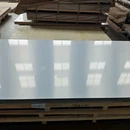
At the factory, they manufacture two metal sheets simultaneously to ensure they are strong enough to withstand damage during processing. The side of the foil that is in contact with another layer of foil appears dull, while the other side that is not in contact with another layer of foil appears shiny. In other words, the two sides look different, but at the end of the day, they are both made of the same material.

When using aluminum foil, should the shiny side face up or down?
So, now that you know why the two sides look different, you might be wondering whether you should use aluminum foil with the shiny side up or down. It's simple, it doesn't matter.
Since both sides are made of the exact same material, they perform exactly the same. The only difference is aesthetic. So feel free to work both ways. In the end, your food will be cooked exactly the same. The mystery is solved.

