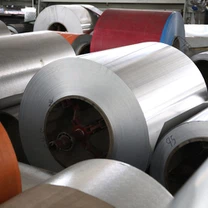




Pharmaceutical aluminum foil provides effective protection against ultraviolet (UV) radiation, safeguarding medications from UV-induced damage. Here's a description of how it accomplishes this:
Pharmaceutical aluminum foil acts as a robust barrier that shields medications from harmful ultraviolet (UV) radiation. UV rays present in sunlight and some artificial light sources can initiate photochemical reactions, leading to the degradation of sensitive pharmaceutical compounds. However, the aluminum foil used for pharmaceutical packaging has excellent UV-blocking properties, preventing the entry of harmful UV rays.
The foil's high reflectivity and opacity to UV radiation serve as an effective defense against UV-induced damage. When the medications are enclosed within the aluminum foil packaging, the foil's surface reflects the UV rays, minimizing their penetration into the package. Moreover, the foil's opaque nature impedes the transmission of UV light, creating a protective shield around the medications.
This UV radiation protection is particularly crucial for medications that are susceptible to photodegradation. By shielding the pharmaceutical products from UV exposure, the aluminum foil ensures their stability and efficacy throughout their shelf life. This safeguarding mechanism guarantees that the medications remain potent and safe for patients, providing optimal therapeutic outcomes.
Overall, the utilization of pharmaceutical aluminum foil as a UV radiation barrier is a crucial measure to safeguard the integrity and quality of medications, protecting them from the harmful effects of light-induced degradation.