


When it comes to welding, 5052 and 6061 aluminum alloys have distinct characteristics that determine their suitability for different applications.
5052 Aluminum for Welding
Ease of Welding: 5052 is easier to weld and less prone to cracking during the process.
Strength Retention: Welded joints maintain their strength more effectively without additional treatments.
Corrosion Resistance: Exceptional corrosion resistance makes it ideal for marine environments or any application exposed to harsh conditions.
Ideal Use Cases: Projects requiring extensive welding, marine applications, or fabrication where simplicity and reliability are priorities.
6061 Aluminum for Welding
Requires Post-Weld Re-Aging: Being heat-treatable, welding 6061 softens the heat-affected zone. A post-weld re-aging heat treatment is necessary to restore strength.
Higher Base Strength: In its heat-treated condition, 6061 is stronger than 5052, providing structural advantages where rigidity is important.
Application Suitability: Better suited for projects where high strength and stiffness are critical, and post-weld heat treatment is feasible.
Ideal Use Cases: Applications demanding maximum strength and rigidity, where the facility can perform proper post-weld heat treatment.
Summary – Which to Choose
Choose 5052: For projects with extensive welding, marine or corrosive environments, and simpler fabrication processes.
Choose 6061: When high strength and rigidity are essential, and post-weld heat treatment can be performed.
GNEE, as a Chinese supplier, provides both 5052 and 6061 aluminum alloys suitable for various welding-intensive applications, helping you balance strength, corrosion resistance, and fabrication efficiency.

Overview:
5052-H32: A non-heat-treatable aluminum alloy known for excellent weldability, formability, and corrosion resistance. Its smooth, shiny surface and durability make it ideal for applications requiring strength and long-term reliability.
6061-T6: A heat-treatable aluminum alloy with good machinability, allowing easy cutting and drilling. It offers a high strength-to-weight ratio and excellent corrosion resistance, making it well-suited for structural applications where weight reduction is critical without compromising strength.
Both alloys are suitable for custom metal fabrication. However, 5052-H32 is generally the preferred choice for sheet metal fabrication due to the following reasons:
1. Formability
5052-H32: Outstanding formability; can be easily bent, drawn, and shaped into complex, intricate designs.
6061-T6: Good formability, but less pliable than 5052-H32, making it less suitable for applications with complex shapes or detailed patterns.
2. Corrosion Resistance
5052-H32: Exceptional corrosion resistance, widely used in marine and other harsh environments.
6061-T6: Corrosion-resistant, but less effective than 5052-H32 in extremely aggressive conditions.
3. Fatigue Strength
5052-H32: Superior fatigue strength, able to endure repeated stress cycles without cracking.
6061-T6: Good, but slightly lower fatigue resistance compared to 5052-H32.
4. Weldability
5052-H32: Excellent weldability using standard welding techniques. Heat-affected zones (HAZ) may experience a slight reduction in strength and hardness, but 5052-H32 is relatively less sensitive to this.
6061-T6: Weldable, but the heat during welding can significantly reduce strength in the HAZ, sometimes requiring post-weld heat treatment.
5. Cost and Workability
5052-H32: More cost-effective and easier to fabricate, helping reduce overall project costs. Simple tools and standard fabrication techniques are sufficient.
6061-T6: Higher cost due to superior strength and more complex production processes. Fabrication may require specialized tools and techniques, increasing project costs.
6. Typical Applications
5052-H32: Fuel tanks, automotive components, marine structures, and sheet metal fabrication projects where corrosion resistance, weldability, and formability are priorities.
6061-T6: Aerospace structures, high-strength frames, and applications where minimizing weight while maintaining high structural strength is critical.
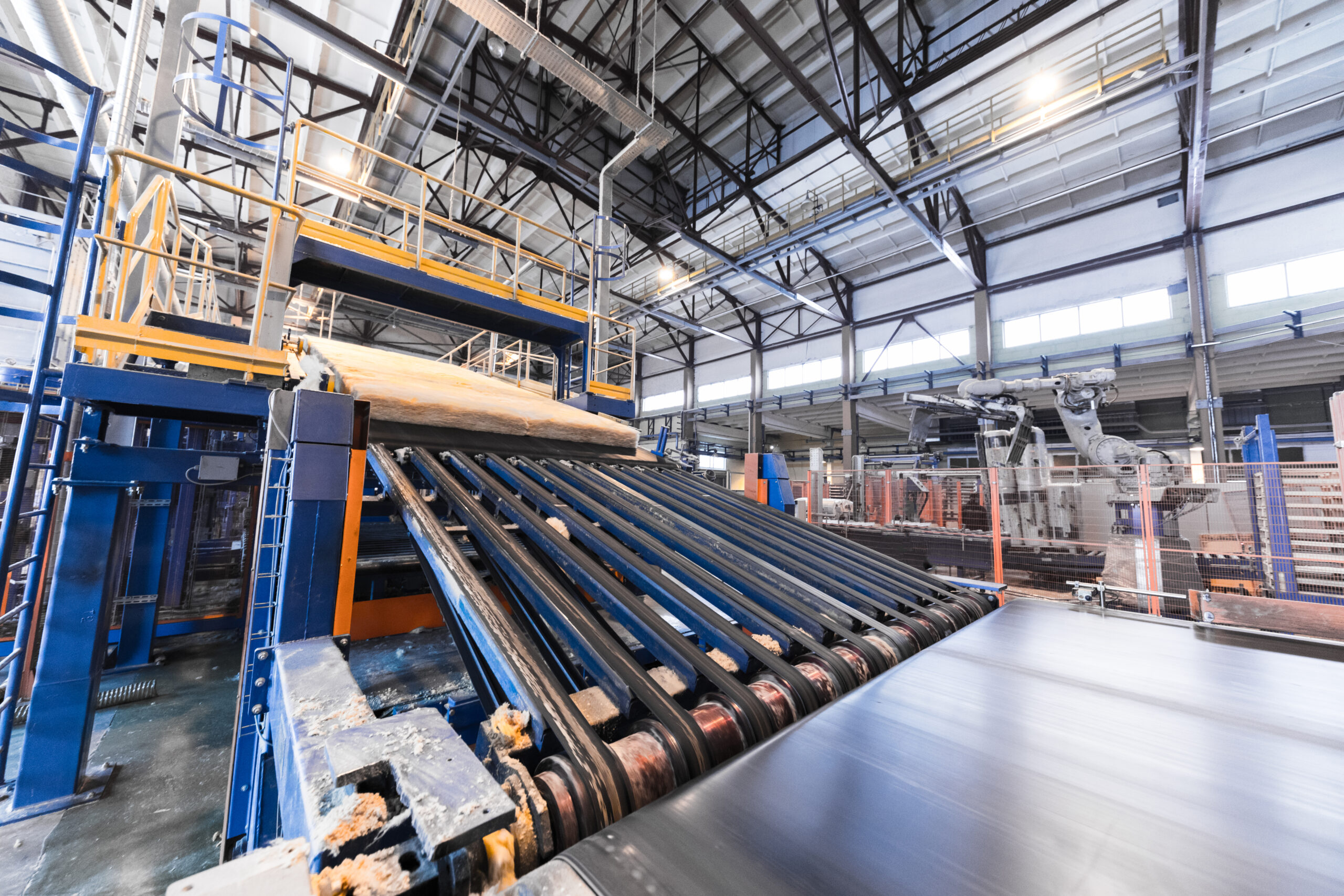
Conclusion: For custom sheet metal fabrication and marine or corrosion-prone environments, GNEE recommends 5052-H32 due to its excellent formability, weldability, corrosion resistance, and cost-effectiveness. For applications requiring maximum strength and a high strength-to-weight ratio, 6061-T6 is the better option.


