5052 aluminum is stronger and offers significantly better corrosion resistance than 3003, making it the ideal choice for marine environments and heavy structural applications. On the other hand, 3003 aluminum is much easier to form and bend and is more cost-effective, making it the perfect material for general sheet metal fabrication, indoor equipment, and everyday commercial products.
What Is 3003 Aluminum Sheet?
To make the right purchasing decision, you need to understand the base chemistry of these materials.
3003 is an Aluminum-Manganese (Al-Mn) alloy. It is widely regarded as the most popular general-purpose aluminum in the world. It is a non-heat-treatable alloy, meaning its strength comes from cold working rather than oven heat treatments. It provides moderate strength (about 20% stronger than pure 1100 aluminum), excellent formability, and great natural resistance to atmospheric corrosion.
What Is 5052 Aluminum Plate?
5052 is an Aluminum-Magnesium (Al-Mg) alloy. The addition of magnesium transforms the metal completely. Also non-heat-treatable, 5052 offers significantly higher strength than 3003. Most importantly, it is recognized globally as a "marine-grade" aluminum. It possesses an outstanding ability to resist corrosion in harsh saltwater and industrial chemical environments where other metals would fail.
| Property | 3003 Aluminum | 5052 Aluminum |
|---|---|---|
| Alloy Series | 3xxx (Al-Mn) | 5xxx (Al-Mg) |
| Temper (Common) | H14 / H18 | H32 / H34 |
| Tensile Strength | 110–145 MPa | 210–260 MPa |
| Yield Strength | 40–125 MPa | 130–215 MPa |
| Elongation | 10–25% | 7–18% |
| Hardness (Brinell) | ~40 HB | ~60 HB |
| Property | 3003 Aluminum | 5052 Aluminum |
| Alloy Type | Al-Mn (Manganese) | Al-Mg (Magnesium) |
| Overall Strength | Medium | Higher |
| Corrosion Resistance | Good (Atmospheric) | Excellent (Saltwater/Marine) |
| Formability (Bending) | Excellent (Very easy) | Good (Stiffer, more spring-back) |
| Weldability | Excellent | Excellent |
| Marine Grade | No | Yes |
| Cost Level | Lower (Budget-friendly) | Higher (Premium) |
Engineering Conclusion: If your project involves load-bearing structures, brackets, or pressure vessels that must withstand physical impacts, choose 5052. It can handle much heavier loads before it bends or dents permanently.
Corrosion Resistance of Marine Grade 5052 Aluminum
Both alloys will not rust like steel, but their survival limits are very different.
- 3003: Works perfectly in normal outdoor environments. It resists rain, humidity, and fresh water easily.
- 5052: The magnesium content makes it immune to saltwater and salt spray. If you use 3003 near the ocean or on winter roads treated with salt, it will eventually pit. 5052 will survive these environments for decades.
Engineering Conclusion: If the metal touches seawater or harsh industrial chemicals, you must choose 5052.
Bending 3003 Aluminum Sheet vs 5052
Cost isn't just about raw material prices; it is about factory processing time.
- Forming 3003: 3003 is very ductile. It bends cleanly in a press brake and flows smoothly into deep-drawing molds without tearing. It is very easy on your factory tooling.
- Forming 5052: 5052 is stiff. While you can bend it, it suffers from "spring-back" (the metal tries to return to its original flat shape). Machine operators must over-bend it slightly. If forced into a tight radius, 5052 will crack on the outside bend line.
Are you experiencing cracking during bending?
Do not guess the bend radius. Send our GNEE engineering team your CAD drawings. We provide a Free Bending Assessment. We will tell you exactly whether your design can safely use 5052, or if you need to switch to 3003 to ensure a zero-crack production run.
Contact Our Engineering Team for Current Pricing & Availability
Weldability of 3003 and 5052 Aluminum Material
Both alloys are highly weldable using standard TIG or MIG methods.
However, because 5052 has a higher base strength, the welded joints in a 5052 assembly will remain significantly stronger than those in a 3003 assembly. If structural welding is required, 5052 is the superior choice.
Typical Applications for 3003 and 5052 aluminum
Applications of 3003 Aluminum Panels:
- Roofing sheets and architectural cladding.
- Cookware, baking pans, and food equipment.
- General storage tanks for water and mild chemicals.
- Decorative trim and stamped sheet metal enclosures.
Applications of 5052 Aluminum Plate:
- Marine boat hulls, pontoon decks, and ship hardware.
- Automotive and truck fuel tanks.
- High-pressure vessels and hydraulic enclosures.
- Heavy-duty industrial equipment frames.
When to Choose 3003 Aluminum
- You should buy 3003 if your project meets these criteria:
- Cost Sensitive: You have a strict raw material budget.
- High Formability Needed: You need to do deep drawing or complex, tight bending.
- Non-Structural Use: The metal only serves as a cover, a wrapper, or a panel and does not support heavy weight.
When to Choose Marine Grade 5052
- You should upgrade to 5052 if your project requires:
- Marine Exposure: The product will be used in or near the ocean.
- High Strength: The part must bear a physical load, withstand pressure, or resist heavy impacts.
- Industrial Durability: You are building chassis, fuel tanks, or structural supports.
Why Choose GNEE Aluminum as Your Supplier?
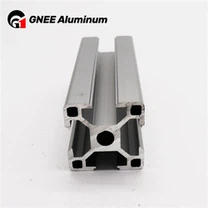
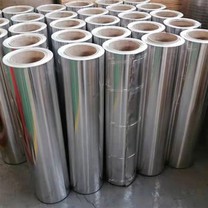
- Full Range of Aluminum Alloys: We stock and supply massive volumes of 3003, 5052, 5083, and 6061 in sheets, coils, plates, and tubes.
- Decades of Industry Experience: We export globally, serving the marine, automotive, construction, and heavy manufacturing industries.
- Strict Quality Control: Every batch meets international ASTM and EN standards. We provide transparent Mill Test Certificates (MTC) with every single order.
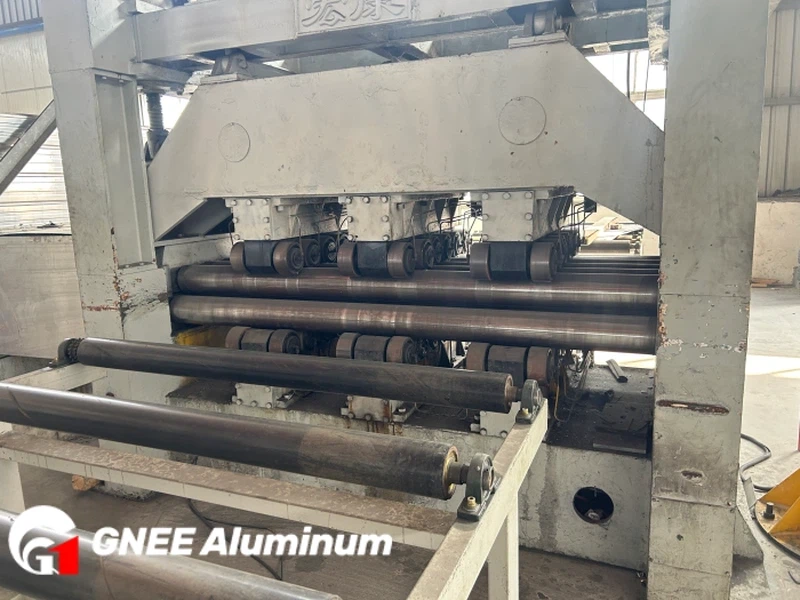
- Custom Fabrication Capabilities: We do not just sell raw metal. We offer custom cut-to-size services, slitting, and surface treatments (anodizing, brushing, PE/PVDF coating) to reduce your factory processing time.
- Expert Technical Support: Our engineering team will review your project and recommend the exact alloy and temper to reduce your costs and prevent manufacturing failures.
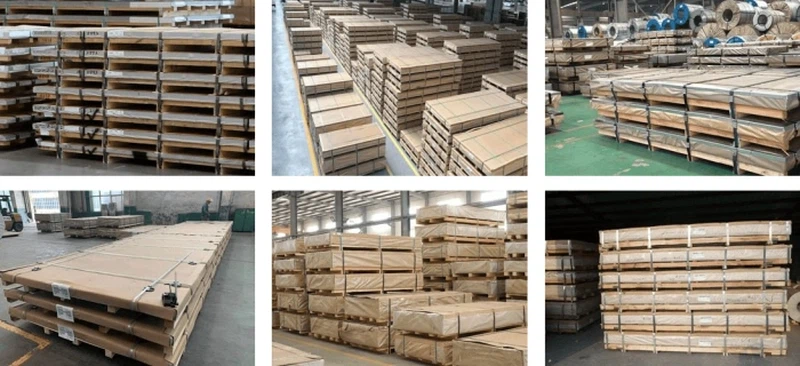
- Export-Standard Packaging: Every aluminum sheet and coil is wrapped in waterproof plastic film and thick kraft paper. We add desiccants inside the package to prevent "white rust" during sea transit.
- Damage-Free Transport: The materials are securely strapped to fumigated, heavy-duty wooden pallets, with rigid edge protectors applied to prevent physical deformation.
- Flexible Shipping Options: We offer LCL (Less than Container Load) and FCL (Full Container Load) sea freight, as well as air freight for urgent project parts.
- Global Trade Terms: We support FOB, CIF, CFR, and DDP to fit your company's purchasing and import policies smoothly.