


Building strong, lightweight, and corrosion-resistant buildings in saltwater conditions requires marine-grade aluminum plate. These alloys are specifically designed to retain structural integrity while enduring the challenging environment of maritime applications.
Aluminum plate is a critical material in marine engineering due to its lightweight, high strength, and excellent corrosion resistance. Among marine-grade alloys, 5083, 5086, and 6061 are widely used. Here's a detailed comparison of their properties, applications, and suitability for marine environments.
Key Requirements for Marine-Grade Aluminum
Marine aluminum must withstand harsh saltwater conditions while maintaining structural integrity. Essential characteristics include:
Resistance to saltwater corrosion
High strength-to-weight ratio
Good weldability and formability
Resistance to stress corrosion cracking (SCC)
The 5xxx series (magnesium-based) and 6xxx series (magnesium-silicon-based) dominate marine applications.
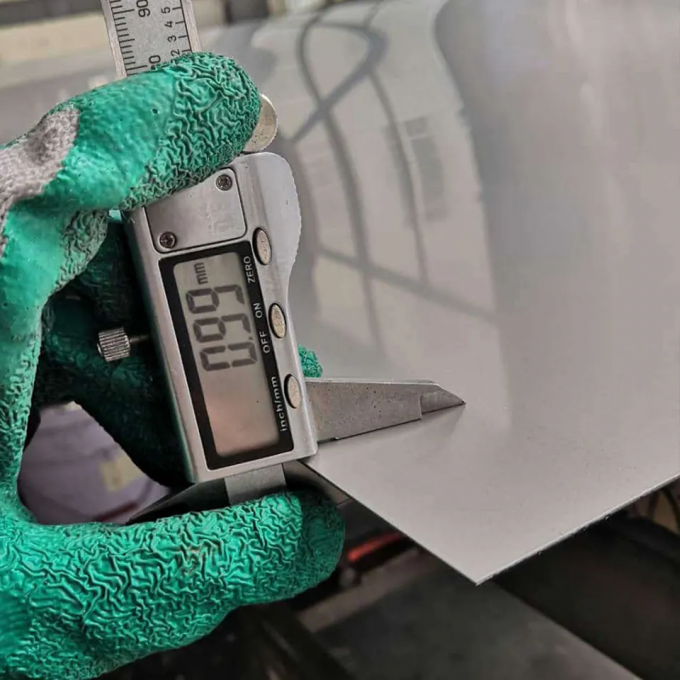
1. Aluminum Plate 5083: The Marine Standard
Composition:
Magnesium (Mg): 4–4.9%
Manganese (Mn): 0.4–1%
Temper: Typically H116 or H321 for enhanced corrosion resistance
Properties:
Strength: High tensile strength (~290 MPa) and excellent toughness
Corrosion Resistance: Outstanding in seawater and industrial environments
Weldability: Excellent; retains strength after welding
Marine Applications:
Ship hulls, decks, and superstructures
Offshore platforms and buoys
Cryogenic storage tanks
Advantages:
Exceptional performance in aggressive marine environments
Ideal for load-bearing structures exposed to saltwater
2. Aluminum Plate 5086: A Close Contender
Composition:
Magnesium (Mg): 3.5–4.5%
Manganese (Mn): 0.2–0.7%
Temper: H116 or H321
Properties:
Strength: Slightly lower than 5083 (~270 MPa)
Corrosion Resistance: Excellent, comparable to 5083
Formability: Easier to shape than 5083
Marine Applications:
Boat hulls, gangways, and walkways
Pressure vessels and tankers
Advantages:
Cost-effective alternative for moderately stressed components
Good balance of strength, corrosion resistance, and workability
3. Aluminum Plate 6061: The Versatile Structural Alloy
Composition:
Magnesium (Mg): 0.8–1.2%
Silicon (Si): 0.4–0.8%
Temper: T6 (solution heat-treated and artificially aged)
Properties:
Strength: High tensile (~310 MPa), less corrosion-resistant than 5xxx alloys
Machinability: Excellent for complex parts
Corrosion Resistance: Good in mild marine environments; may require protective coatings in harsh conditions
Marine Applications:
Fittings, masts, and hardware
Small boat components (frames, brackets)
Non-immersed structural elements
Advantages:
Superior machinability and weldability
High strength for structural parts not in direct contact with seawater
4. Comparison: 5083 vs 5086 vs 6061
| Property | 5083 | 5086 | 6061 |
|---|---|---|---|
| Corrosion Resistance | Excellent (marine) | Excellent (marine) | Good (needs coating) |
| Strength | High | Moderate-High | Very High |
| Primary Use | Ship hulls, offshore | Marine structures | Structural fittings |
| Weldability | Excellent | Excellent | Good |
| Cost | High | Moderate | Moderate |
5. Fabrication Tips for Marine Aluminum Plates
Welding: Use 5356 or 5183 filler wire for 5xxx alloys; avoid overheating to prevent magnesium segregation.
Corrosion Protection: Anodize or apply marine-grade coatings to 6061; prevent galvanic corrosion when in contact with stainless steel or copper.
Design Considerations: Use 5xxx alloys for immersed components; 6061 is suitable for non-immersed, structural parts.
6. Sustainability and Recycling
Aluminum is 100% recyclable, reducing environmental impact.
Marine-grade alloys maintain their properties after recycling, supporting a circular economy.

Conclusion
Selecting the right aluminum alloy for marine applications depends on strength, corrosion resistance, and cost:
5083 and 5086: Best for immersed, high-stress marine structures
6061: Suitable for non-immersed, machined components
For projects involving direct seawater exposure, 5083 and 5086 are unmatched, while 6061 provides versatility for structural applications in less corrosive conditions. Always confirm compliance with marine standards such as ASTM B928 (5xxx alloys) or AMS 4117 (6061).
GNEE, as a trusted Chinese supplier, offers high-quality marine-grade aluminum plates in 5083, 5086, and 6061 series suitable for a wide range of marine and industrial applications.


