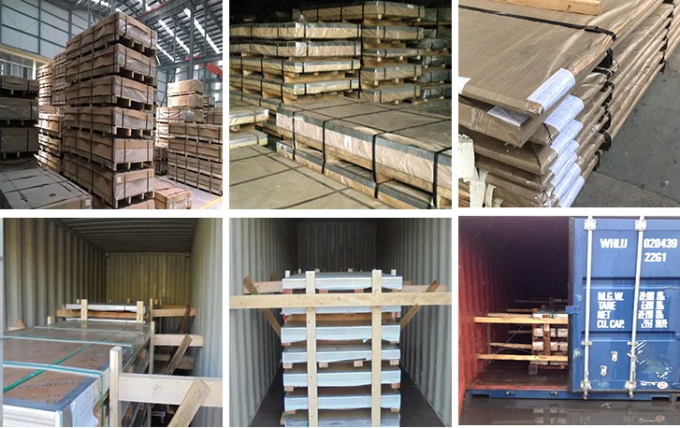
Because of their strength, lightweight nature, and resistance to corrosion, 5083 and 5086 aluminum plates are excellent options for shipbuilding and marine applications.
5083 and 5086 aluminum plates are widely used in shipbuilding, automobiles, aircraft components, pressure vessels, refrigeration equipment, television towers, drilling rigs, and various industrial applications. Their excellent formability and weldability make them particularly popular in the construction industry.
Belonging to the 5xxx series (magnesium-manganese alloys), these marine-grade aluminum plates are engineered to endure harsh saltwater environments while maintaining strong mechanical performance, corrosion resistance, and ease of fabrication.
Key Properties & Differences
| Property | 5083 Aluminum Plate | 5086 Aluminum Plate |
|---|---|---|
| Chemical Composition | 4.0–4.9% Mg, 0.4–1.0% Mn, 0.1–0.25% Cr | 3.5–4.5% Mg, 0.2–0.7% Mn, 0.05–0.25% Cr |
| Tensile Strength | 275–310 MPa | 240–275 MPa |
| Yield Strength | 125–155 MPa | 115–145 MPa |
| Elongation | 12–15% | 12–15% |
| Corrosion Resistance | Exceptional in marine environments | Excellent in marine environments |
| Weldability | Outstanding; minimal cracking | Good; suitable for most welding processes |
| Formability | Moderate to high | High; ideal for complex shapes |
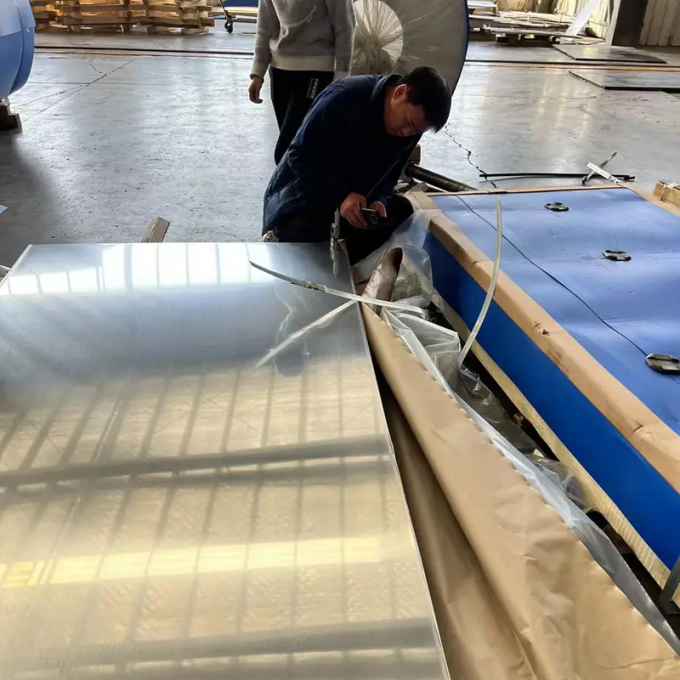
Why Choose 5083/5086 Aluminum Plates for Marine Applications?
Superior Corrosion Resistance
High magnesium content forms a protective oxide layer.
Resists saltwater, chlorides, and atmospheric exposure.
Commonly used in hulls, decks, and submerged components.
High Strength-to-Weight Ratio
Lighter than steel while maintaining robust structural performance.
Reduces vessel weight, improving fuel efficiency and handling.
Excellent Weldability
Compatible with TIG, MIG, and laser welding without significant embrittlement.
5083 is preferred for critical welds due to lower cracking risk.
Marine-Grade Finishes
Supplied in H116 or H321 tempers, enhancing corrosion resistance and toughness.
Can be further treated with anodic oxidation or epoxy coatings for added protection.
Applications in Shipbuilding
Hull Construction: Plating, bulkheads, and frames.
Deck Structures: Flooring, walkways, and hatches.
Superstructures: Masts, cabins, and ventilation systems.
Tanks & Piping: Fuel tanks, water tanks, and seawater pipelines.
Offshore Platforms: Modules, gangways, and corrosion-resistant panels.
Key Standards
ASTM B209 – 5083/5086 aluminum sheet and plate
EN 573-3 – Aluminum alloy products for marine applications
ABS/DNV GL Certifications-Compliance for shipbuilding
Choosing Between 5083 and 5086
5083: Ideal for high-stress components requiring maximum strength (e.g., hull plating, heavy-duty brackets).
5086: Offers better formability, suitable for complex shapes or cost-sensitive projects (e.g., interior fittings, smaller vessels).
Both alloys provide long-term reliability in marine environments, combining durability, corrosion resistance, and ease of fabrication. For critical applications, consult marine engineers or trusted suppliers to optimize performance.
GNEE, as a leading Chinese supplier, provides high-quality 5083 and 5086 marine aluminum plates with full certification and tailored solutions for shipbuilding and offshore projects.