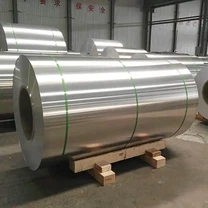
What is Aluminum Grade 1350?
1350 aluminum is a commercial-grade, pure aluminum alloy that belongs to the 1000 series. Known for its exceptional electrical conductivity, it is often referred to as "EC" (electrical conductor) aluminum. It is primarily used in electrical applications where high electrical conductivity and low resistance are crucial.
Why Choose 1350 Aluminum Alloy?
High Electrical Conductivity
1350 aluminum boasts one of the highest electrical conductivities among aluminum alloys, making it ideal for use in electrical conductors, such as overhead power lines and cables, for power transmission and distribution.
Good Corrosion Resistance
Like most aluminum alloys, 1350 is naturally resistant to corrosion, which is advantageous in outdoor and exposed environments, especially in power transmission lines.
High Ductility
1350 aluminum is highly ductile, allowing it to be easily drawn into wires or cables for electrical applications. It can be fabricated into various shapes and sizes for specific uses.
Good Heat Resistance
This alloy can withstand high temperatures without sacrificing its electrical conductivity, making it suitable for applications that require heat resistance, such as electrical conductors.
Typical Temper for 1350 Aluminum
1350 O Aluminum: Annealed, offering maximum ductility for easy forming and drawing.
1350 H12 Aluminum: Strain-hardened with a controlled amount of cold working.
1350 H14 Aluminum: Further strain-hardened for moderate strength.
1350 H16 Aluminum: Strain-hardened to provide higher strength.
1350 H18 Aluminum: Even higher strength than H14 or H16.
1350 H19 Aluminum: Maximum strain-hardened state.
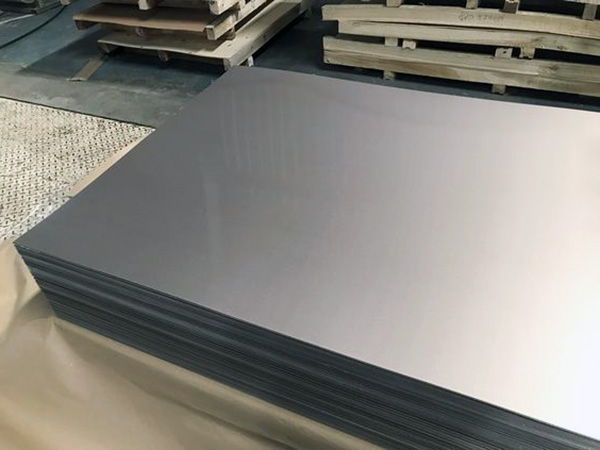
1350 Aluminum Product Forms
1350 Aluminum Wire: Commonly drawn for use in electrical cables, conductors, and wiring. It is especially ideal for efficiently transmitting electricity.
1350 Aluminum Bar: While less common in electrical applications, 1350 can be found in bar form where solid bars are required.
1350 Aluminum Coil: Used for winding or coiling electrical conductors.
1350 Aluminum Rod: Ideal for electrical applications where a solid cylindrical form is necessary.
1350 Aluminum Busbar: Used in electrical distribution systems for distributing electrical power.
1350 Extruded Aluminum: Customizable aluminum shapes created by forcing the metal through a die.
1350 Aluminum Tubular Buspipe: Used in electrical systems for power transmission and distribution.
These product forms are chosen for their excellent conductivity and corrosion resistance, making 1350 aluminum a preferred option in the electrical and power transmission sectors.
Mechanical and Physical Properties of 1350 Aluminum
Tensile Strength: Approximately 55 MPa, indicating the alloy's soft nature compared to other aluminum alloys.
Yield Strength: Around 20 MPa, reflecting its low mechanical strength due to its ductility.
Density: Approximately 2.70 g/cm³, similar to pure aluminum, making it lightweight.
Modulus of Elasticity: About 68 GPa, representing the alloy's ability to return to its original shape after deformation.
Thermal Conductivity: 1350 aluminum has excellent thermal conductivity, ranging from 200 to 235 W/(m·K), which is why it is commonly used for electrical conductors, where heat dissipation is important.
Common Applications of 1350 Aluminum
Although 1350 aluminum has low mechanical strength, it is extensively used in applications where its electrical properties are the key requirement. The alloy's softness and ductility do not detract from its suitability for these uses.
Cables and Wires: 1350 aluminum is widely used in power transmission cables, wires, and conductors for its superior electrical conductivity.
1350 Aluminum Wire Rod: This form is commonly used for building electrical cables, conductors, and wiring.
1350 Electrical Busbars: Aluminum 1350 is ideal for busbars used to distribute electrical power within electrical systems due to its conductivity.
1350 Aluminum Driveshaft: Used in lightweight driveshafts, though it lacks the strength of steel.
1350 Aluminum Tubular Buspipe: Often used in electrical distribution systems for its conductivity.
Transformers and Overhead Power Lines: 1350 aluminum is commonly used in transformers and overhead power lines, where its electrical conductivity minimizes resistance and power loss.
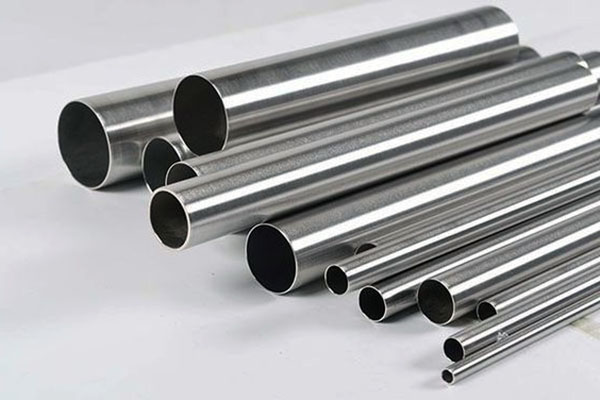
1350 Aluminum Processing
Cold Working: 1350 aluminum is typically processed through cold working to form wires, cables, or rods. The alloy can also be hot worked, but it is most commonly used in its annealed or soft temper states to maximize ductility.
Extrusion: 1350 can be extruded into various shapes and sizes for specific electrical applications, such as busbars and electrical components.
Welding: Aluminum 1350 can be welded using common techniques like TIG and MIG welding, which are used to join components in electrical equipment.
Finishing: This alloy can be anodized or coated to enhance its corrosion resistance and appearance, especially when used in outdoor or exposed environments.
Conclusion
1350 aluminum alloy is mainly chosen for applications that require superior electrical conductivity and corrosion resistance. While its low mechanical strength limits its use in high-stress environments, its excellent electrical and thermal properties make it an ideal choice for electrical wiring, power transmission, and other related industries. The combination of high ductility, good heat resistance, and low resistance ensures that aluminum 1350 continues to be a preferred material in the electrical sector.
What is the difference between Aluminum 1050 and 1350?
1. Composition
| Element | Aluminum 1050 | Aluminum 1350 |
|---|---|---|
| Aluminum (Al) | Minimum 99.5% | Minimum 99.5% |
| Iron (Fe) | < 0.25% | Usually very low |
| Other Impurities | Trace amounts | Typically very low |
| Alloy Series | 1000 | 1000 |
2. Electrical Conductivity
| Electrical Conductivity (IACS)* |
|---|
| Aluminum 1050: 61% |
| Aluminum 1350: 61.5% - 61.8% |
3. Typical Applications
Aluminum 1050 is utilized in a variety of applications requiring high electrical conductivity but not the absolute greatest conductivity of 1350. These applications may include some electrical cables and busbars.
Aluminum 1350: 1350 is designed specifically for applications requiring the maximum electrical conductivity. It is widely utilized in the manufacture of electrical conductors, overhead power lines, and electrical cables.
| Application | Aluminum 1050 | Aluminum 1350 |
|---|---|---|
| Electrical wiring | Yes | Yes |
| Busbars | Yes | Yes |
| Overhead power lines | Less common | Common |
| Electrical conductors and cables | Yes | Preferred choice for high conductivity |
What is the difference between 1100 and 1350 Aluminum?
1. Composition
| Element | Aluminum 1100 | Aluminum 1350 |
|---|---|---|
| Aluminum (Al) | Minimum 99.0% | Minimum 99.5% |
| Copper (Cu) | 0.05% - 0.20% | Usually very low |
| Other Impurities | Trace amounts | Typically very low |
| Alloy Series | 1000 | 1000 |
2. Electrical Conductivity
| Electrical Conductivity (IACS)* |
|---|
| Aluminum 1100: 62% - 64% |
| Aluminum 1350: 61.5% - 61.8% |
IACS (International Annealed Copper Standard) is a measure of electrical conductivity where pure copper has a value of 100%.
3. Mechanical Properties
| Mechanical Property | Aluminum 1100 | Aluminum 1350 |
|---|---|---|
| Tensile Strength (MPa) | 95 - 125 | 55 - 125 |
| Yield Strength (MPa) | 35 - 75 | 20 - 70 |
| Elongation (%) | 5 - 30 | 10 - 30 |
4. Typical Applications
Aluminum 1100 is utilized for a variety of purposes, including conventional sheet metal work, light fabrication, and chemical equipment. While it is an excellent conductor of electricity, it is not the first choice for applications requiring the highest electrical conductivity.
Aluminum 1350: 1350 is designed primarily for applications that require the maximum electrical conductivity. It is the preferred material for electrical conductors, overhead power lines, cables, and other electrical transmission components.
| Application | Aluminum 1100 | Aluminum 1350 |
|---|---|---|
| General sheet metal work | Yes | Less common |
| Light fabrication | Yes | Less common |
| Chemical equipment | Yes | Less common |
| Electrical conductors and cables | Less common | Preferred choice for high conductivity |
| Overhead power lines | Less common | Common |
Although both 1100 and 1350 are high-purity aluminum alloys, 1350 is more pure and conductive. The decision between them is determined by the application's unique needs, particularly when maximum electrical conductivity is necessary. Furthermore, the slightly stronger mechanical qualities of 1100 may make it more desirable in applications where mechanical strength is important.