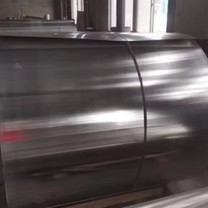
Why is aluminum widely used in food service packaging?
Aluminum is lightweight yet durable, making it ideal for takeout containers, trays, and wraps. It provides excellent barrier properties against moisture, oxygen, and light, preserving food freshness. The material is highly malleable, allowing for customized shapes like foil pans or disposable lids. Aluminum is also cost-effective for mass production in the food industry. Additionally, it's recyclable, aligning with sustainability goals in food service.
How does aluminum foil enhance food preservation in commercial kitchens?
Aluminum foil acts as a protective layer, preventing freezer burn and oxidation in stored foods. Its heat conductivity ensures even cooking and reheating in ovens or grills. Chefs use foil to wrap proteins and vegetables for steaming or roasting, locking in moisture. In buffets, foil covers keep dishes warm for extended periods. It's also sterile and non-toxic, meeting food safety standards.
What are the advantages of aluminum cookware in professional kitchens?
Aluminum pots and pans heat up quickly and distribute temperature evenly, reducing hot spots. They are lighter than stainless steel, easing handling for kitchen staff. Anodized aluminum resists corrosion and scratching, extending utensil lifespan. Many commercial baking sheets are aluminum-based for consistent browning. However, acidic foods may react with untreated aluminum, requiring coatings or alternatives.
How does aluminum contribute to sustainability in food service operations?
Recycling aluminum saves up to 95% of the energy needed for primary production, reducing waste. Foil and containers can be reused multiple times before disposal if properly cleaned. Thin aluminum packaging reduces material use compared to plastic alternatives. Many cities accept aluminum foil in curbside recycling programs. Brands increasingly promote eco-friendly aluminum packaging to appeal to green-conscious consumers.
What safety considerations exist for aluminum in food contact applications?
Regulations like FDA standards ensure aluminum food containers meet non-toxic thresholds. High temperatures or acidic foods (e.g., tomatoes) may cause minimal leaching, but health risks are low. Powder-coated or anodized aluminum minimizes direct food-metal contact. Workers should avoid inhaling aluminum dust during industrial processing. Proper disposal prevents environmental contamination from foil waste.