


Ultra-thin aluminum foil is becoming a new focus of precision composite constructions and functional packaging materials in various industries as the manufacturing sector's combined needs for "lightweight + high performance" materials continue to rise.
GNEE's 0.0045mm (4.5μm) aluminum foil product, which relies on an ultra-thin rolling control capability and a full-process aluminum manufacturing system, breaks the thickness bottleneck of traditional rolling technology and achieves performance breakthroughs in important areas like electronic capacitors, new energy batteries, pharmaceutical packaging, food packaging, and EMI shielding.
Six-application-GNEE-0.0045mm-ultra-thin-aluminum-foil.pdf
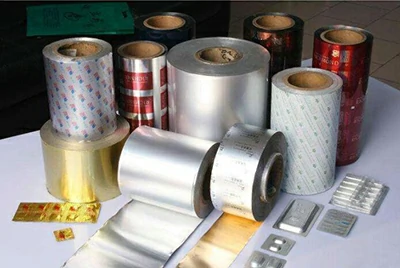
Ultra-thin aluminum foil for pharmaceutical packaging (PTP, heat seal layer)
Aluminum foil has very strict specifications for thickness, softness, and cleanliness since it comes into close touch with the medicine in structures like pharmaceutical blister packaging (PTP) and small-dose sealing films. Traditional 6-9μm aluminum foil has steadily fallen short of meeting the demands of lightweight packaging and efficient packaging lines due to the environmental protection trend and the increasing need for compact packages.
Lighter and thinner: Lower the unit packaging's weight and thickness to increase environmental performance and logistics efficiency.
Robust softness: ideal for high-precision blister molds, excellent molding, and difficult to rupture
Large roll supply capacity: High-speed packing machines can use longer rolls, which minimizes the need for frequent roll replacements.
Clean surface of medical quality: Medical-grade cleanliness is achieved, making it appropriate for a range of heat-sealing coatings and printing techniques.
GNEE's supporting features: assistance with collaborative process customization for color printing, coating, pretreatment, and fixed-width cutting.

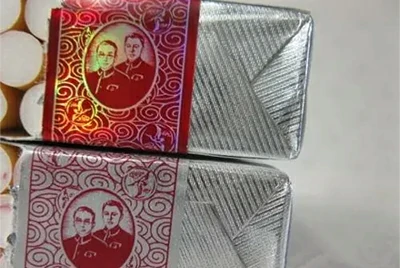
Ultra-thin aluminum foil for cigarette and food packaging
Aluminum foil must have flexibility, gloss, and barrier qualities in order to be used in fast-moving consumer goods packaging, such as cigarette linings, candy packaging, and tea packaging. For high-end consumer brands, 0.0045mm aluminum foil is the perfect option because it may significantly enhance the packaging's structural flexibility and aesthetic appeal.
The packaging is thinner and more compact; the very thin thickness enhances the smoothness of the packaging and lessens structure stacking.
Outstanding processing compatibility: docile and soft, ideal for decorative processing such as hollowing, embossing, and cold stamping
Longer coil: To cut down on line downtime, switch to automatic lamination and labeling equipment.
Composites containing PET, paper, printed films, and other materials are supported by multi-layer composites.
The benefits of GNEE delivery include the ability to offer set width, fixed-length cutting, lamination/gluing, and additional processing forms.

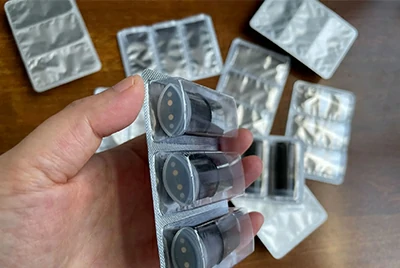
Ultra-thin aluminum foil for battery carbon-coated current collector
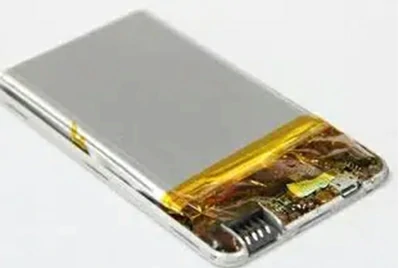
Aluminum foil, which has very high criteria for thickness precision and conductive surface treatment, is utilized as the current collector base material in sodium-ion battery negative electrodes and soft-pack lithium batteries. The new generation of high-specific-energy battery cell designs is ideally suited for 0.0045mm ultra-thin aluminum foil, which enhances energy density and winding compactness.
Lighter and thinner structure: raise the energy density per unit volume and drastically cut the pole piece's thickness.
Great winding compactness: softer and thinner, ideal for designing high-density stacking modules
Good compatibility with carbon slurry coating: steady tension, clean and oil-free, appropriate for adherence of carbon layers
Closely monitored thickness tolerance: error ≤ ±0.2 μm, enabling a high-speed automated manufacturing line
GNEE facilitates tailored development: surface roughening, conductive coating, composite PET layer, and further procedures

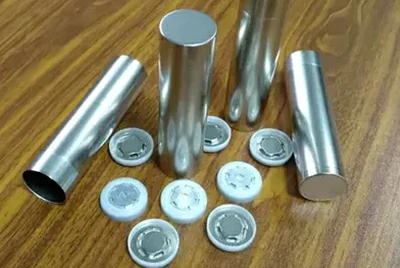
Capacitor pole piece and microelectronic functional structure
Because of its exceptional windability, dimensional consistency, and low resistance properties, ultra-thin aluminum foil has emerged as a key component for small high-capacitance components and new functional composite films in high-frequency fields like aluminum electrolytic capacitors, thin film capacitors, and microelectronic functional film layers.
Minimize the size of the device: Smaller capacitor modules are better suited for thin foil structures because they attain a higher capacitance ratio.
High compatibility with surface treatments: facilitates pre-treatment procedures such roughening, anodizing, and electrolytic etching
Outstanding winding performance and cable arrangement: appropriate for automatic cable arrangement devices to lessen winding stress
Guarantee of structural consistency: little variations between and among rolls, enhancing the final goods' electrical consistency
GNEE comprehensive assistance: assist clients in creating batch traceability, pre-etching/non-etching requirements, and surface conditions.

EMI shielding & thermal control composite structure
Higher standards for structural laminated foils' flexibility, reflectivity, and adherence are found in electronic packaging, electric vehicle battery modules, aircraft thermal control systems, and other industries. A conductive/heat-reflective intermediate layer with a superior fit and material integration area is made of 0.0045mm ultra-thin aluminum foil.
A lighter shielding structure Reduce the overall thickness and number of layers while improving the ability to integrate materials.
More flexible and softer: appropriate for multi-media lamination, including composite conductive film and curved surface structures.
Boost the efficiency of the heat dissipation path and thermal reflectivity
able to support composite structures such conductive glue, foam, PET film, etc. in order to meet the composite needs of EMI functional films.
GNEE stable supply assurance: facilitate the delivery of fixed tension process parameters, high roll length, and high cleanliness.

New material application research and development/brazing structure exploration
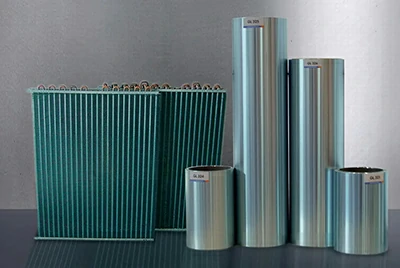
Additionally, ultra-thin aluminum foil is being progressively used in increasingly advanced functional composite fields, like temperature control shells, multi-layer brazing structures, and aviation heat exchangers. GNEE is working with scientific research clients to collaboratively build ultra-thin composite structures and is testing the brazing performance of alloy layers like 4343 and 7072.
Getting used to the new design of the multi-layer brazing structure:Enhancing the composite thermal control panel's lightweight and thermal efficiency
Support proofing tests and trial batches: Coil performance and size can be readily adjusted to meet the requirements of scientific research and development.
The material system is scalable; 4343/7072, for example, can be used to create composite laminate constructions.
The GNEE technical team works together to develop: Verification of brazing parameters and study on coating and formability
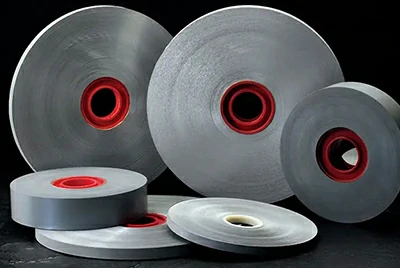
If you need more professional, industry-customized matching suggestions, please contact us for structural design support and composite solution guidance.


