


GNEE 5052-H32 and 5052-H34 are two temper designations of the 5052 aluminum alloy. While they share excellent corrosion resistance and mechanical performance, they differ in mechanical properties, tempering processes, and typical applications.
1. Mechanical Properties
Tensile Strength: H34 generally has higher tensile strength than H32 due to a more extensive cold working process.
Yield Strength: Similarly, H34 exhibits higher yield strength compared to H32.
Elongation: H32 offers higher elongation, indicating better formability, while H34's higher strength slightly reduces elongation.
2. Hardness and Tempering
H32 (Quarter Hard): Strain-hardened and stabilized, balancing good formability with moderate strength.
H34 (Stabilized): Undergoes more extensive strain hardening, resulting in increased strength and hardness relative to H32.
3. Formability
H32: Excellent formability, ideal for complex bending and shaping, commonly used in construction and architectural applications.
H34: Good formability but less malleable than H32; suitable for applications requiring higher strength and resistance.
4. Machinability
Both H32 and H34 are generally machinable. H34's increased hardness may present minor challenges in certain machining processes compared to H32.
5. Applications
H32: Preferred for applications requiring ease of fabrication and shaping, such as building panels, automotive parts, and general sheet metal work.
H34: Suited for applications demanding higher strength and environmental resistance, including marine components, shipbuilding, and other demanding conditions.
| Property | 5052-H32 | 5052-H34 |
|---|---|---|
| Tensile Strength | Moderate | Higher |
| Yield Strength | Moderate | Higher |
| Elongation | Higher (better formability) | Slightly lower |
| Hardness | Moderate | Higher |
| Tempering Process | Strain-hardened & stabilized | More extensive strain hardening |
| Formability | Excellent | Good, slightly less than H32 |
| Machinability | Generally good | Good, minor challenges possible |
| Applications | Building panels, automotive components, general sheet metal work | Marine components, shipbuilding, high-strength applications |
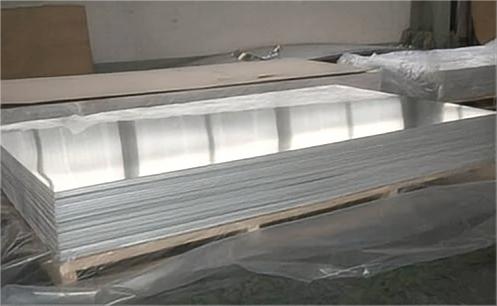
How to Choose Between 5052-H32 and 5052-H34 Aluminum Sheets
Selecting the right temper is essential for project success. While both belong to the 5052 aluminum alloy family, each has strengths suited to different requirements.
1. Define Project Requirements
Determine whether the material will be used structurally or decoratively.
Identify priorities: strength, flexibility, corrosion resistance, or ease of forming.
Consider whether extensive bending, stamping, or shaping will be needed.
2. Compare Mechanical Properties
H32: Ideal for moderate strength needs with higher ductility and flexibility.
H34: Suitable for applications requiring maximum strength, such as structural components under higher loads.
3. Assess Formability Needs
H32: Softer and more malleable, easier for intricate shapes.
H34: Slightly harder due to extra work hardening; limited extreme forming but stronger and more rigid.
4. Consider Environmental Conditions
Both H32 and H34 have excellent corrosion resistance.
H34: Better suited for harsh environments (marine or coastal applications) where both strength and corrosion resistance are critical.
H32: Performs well in moderate conditions, ideal for internal components or decorative panels.
5. Review Machinability
H32: Easier to machine, reducing tool wear and improving efficiency.
H34: Slightly harder but still machinable; minor adjustments may be needed.
6. Analyze Cost Implications
H34: Higher strength comes at a higher cost. Consider whether the increased strength justifies the expense.
Evaluate long-term savings through reduced maintenance or replacement costs.
7. Consult Experienced Suppliers
Technical guidance on temper selection.
Availability and lead times for required sheet sizes.
Support for custom processing, including cutting, bending, or finishing.
Conclusion
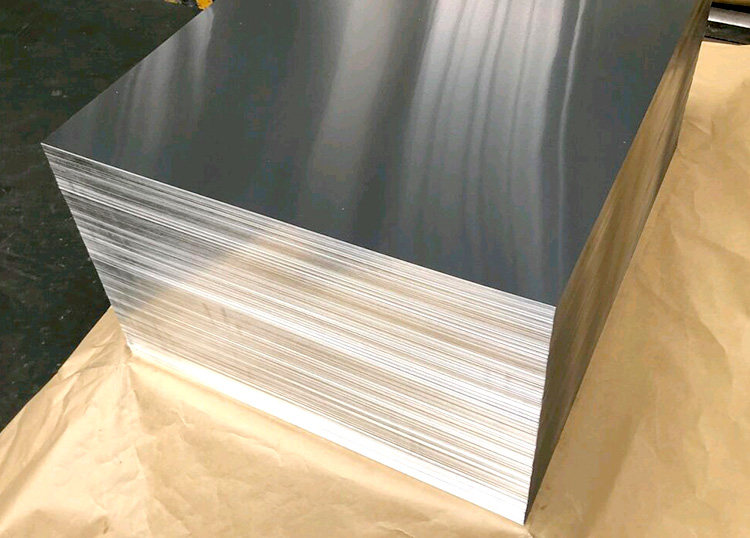
Choosing between GNEE 5052-H32 and 5052-H34 is a strategic decision that balances mechanical properties, formability, environmental resistance, and cost.
5052-H32: Excellent for projects emphasizing formability, moderate strength, and ease of fabrication.
5052-H34: Ideal for marine and high-strength applications requiring resilience against harsh conditions.
Partnering with a reliable supplier like GNEE, a trusted Chinese supplier of 5052 aluminum sheets, ensures that the selected alloy meets industry standards and project expectations, unlocking the full potential of these versatile materials for construction, marine engineering, or other specialized applications.


