Is 7075 Aluminum Suitable for Marine Applications?
7075 aluminum is not typically the first choice for marine environments due to its copper content. However, when protected with appropriate coatings or anodizing, it can be used in certain marine and offshore applications.
In cases where high strength is required and corrosion protection is properly managed, 7075 aluminum may outperform lower-strength alloys.
Material selection should always consider both mechanical requirements and environmental exposure.
What Surface Treatments Are Common for 7075 Aluminum?
Common surface treatments for 7075 aluminum include anodizing, hard anodizing, alcladding, and painting. These treatments enhance corrosion resistance, wear resistance, and surface hardness.
Anodizing is widely used in aerospace applications, while hard anodizing provides additional abrasion resistance for industrial components.
GNEE offers 7075 aluminum products compatible with various surface treatments to meet specific application needs.
Is 7075 Aluminum Easy to Machine?
7075 aluminum is considered highly machinable, especially in tempers such as T651. Its high hardness allows for clean chip formation and stable cutting behavior, which improves surface finish and dimensional accuracy.
Compared with softer aluminum alloys, 7075 aluminum produces less built-up edge during machining. This results in reduced tool wear and consistent machining performance. However, due to its strength, proper cutting parameters and sharp tooling are essential.
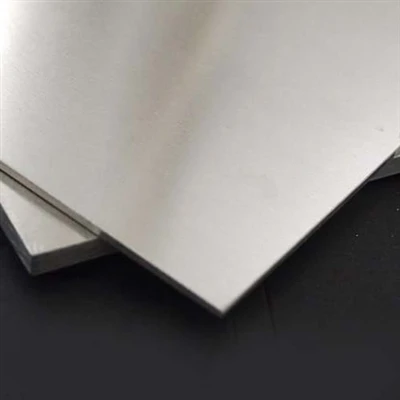
GNEE supplies stress-relieved 7075 aluminum plate that performs reliably in high-precision machining operations.
What Cutting Tools Are Best for Machining 7075 Aluminum?
Carbide cutting tools are commonly recommended for machining 7075 aluminum. These tools offer excellent wear resistance and maintain sharp cutting edges under high loads.
Tools with polished flutes and appropriate coatings help reduce friction and prevent chip adhesion. High-speed machining is possible due to the alloy's stable cutting behavior, but coolant application is recommended to manage heat and extend tool life.
Selecting the right tooling ensures efficiency and surface quality in demanding applications.