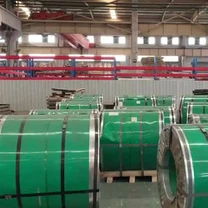
Overview of 7075 T6 Aluminum Plate
7075 aluminum plate belongs to the Al-Zn-Mg-Cu super-duralumin series. It is a cold-worked, heat-treatable alloy known for its exceptionally high strength and hardness, significantly exceeding that of mild steel. Thanks to its fine and uniform grain structure, 7075 T6 aluminum plate offers excellent deep-hole drilling performance, improved tool wear resistance, stable mechanical properties, and good anodizing response.
With its low density and high hardness, 7075 aluminum plate is a preferred lightweight metal material. It is considered one of the most promising aluminum alloys for commercial and industrial applications and is widely used in shoe molds, high-hardness molds, premium mobile phone housings, thick plates, heavy forgings, golf components, precision parts, and aircraft structures.
Alloy Composition and Strength Characteristics
The 7xxx series aluminum alloys primarily contain zinc and magnesium. Zinc is the main alloying element, contributing to the alloy's overall corrosion resistance. The addition of a controlled amount of magnesium enables 7075 T6 aluminum plate to achieve extremely high strength after heat treatment, making it suitable for demanding structural applications.

Suitable Temperature Range for 7075 Aluminum Products
7075 aluminum alloy maintains stable performance in temperatures ranging from -50°C to 120°C, making it well suited for aerospace, rail transportation, and defense applications. However, when exposed to temperatures above 150°C, mechanical strength begins to decline.
For temperature-sensitive applications, temper selection is important:
7075-T6 aluminum plate for general high-strength use
7075-T73 aluminum plate for improved thermal stability and corrosion resistance
Preventing Stress Corrosion Cracking (SCC)
Due to its relatively higher copper content, 7075 aluminum alloy is more susceptible to stress corrosion cracking (SCC) than 6xxx series alloys, particularly in humid or aggressive environments. To reduce SCC risk, GNEE recommends:
Selecting 7075-T73 or 7075-T7351 aluminum plate instead of T6
Applying surface treatments such as anodizing, hard anodizing, or cladding
Using low-stress machining processes to minimize residual stress and crack initiation
Bendability of 7075 Aluminum Plate
As one of the strongest aluminum alloys available, 7075 T6 aluminum plate has high hardness but limited formability. Bending can be difficult, especially for complex shapes. For applications requiring forming or bending, it is recommended to consult GNEE's technical team to evaluate suitable tempers or alternative processing solutions.