


Both 5086 and 5083 aluminum alloys are widely used in the marine industry due to their excellent corrosion resistance and weldability. However, 5086 aluminum has slightly lower strength compared to 5083, making it more suitable for lighter or secondary marine structures.
In shipbuilding, the selection between these two alloys primarily depends on the specific structural requirements and design loads.
5086 aluminum alloy is ideal for lightweight vessels and secondary components.
5083 aluminum alloy is preferred for high-strength structures and larger ships that must endure greater mechanical stresses.
Comparison of 5086 and 5083 Aluminum Alloys in Shipbuilding
| Characteristics / Alloy | 5086 Aluminum Alloy | 5083 Aluminum Alloy |
|---|---|---|
| Corrosion Resistance | Excellent; ideal for marine environments | Excellent; performs well even under high temperature and seawater exposure |
| Weldability | Very good; compatible with various welding processes | Excellent; suitable for multiple advanced welding techniques |
| Primary Applications | Small vessels, decks, superstructures, linings, partitions | Large vessel hulls, ballast tanks, main beams, primary structural components |
| Advantages | Lightweight, excellent corrosion resistance | High strength, superior corrosion resistance, ideal for heavy-duty structures |
| Disadvantages | Lower load-bearing capacity | Higher cost and greater processing difficulty |
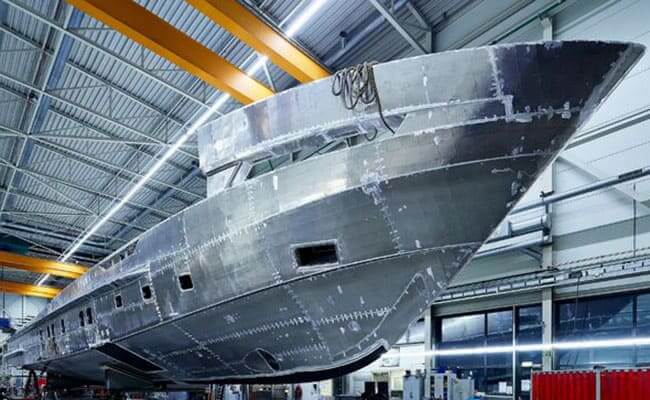
Why Choose 5086 Aluminum Alloy for Shipbuilding
Key Characteristics of 5086 Alloy
Corrosion Resistance: Outstanding resistance to seawater and marine atmosphere corrosion.
Weldability: Excellent performance in various welding processes, including GMAW and TIG.
Strength: Slightly lower than 5083, making it better suited for secondary structures or lightweight vessel applications.
Typical Applications
Superstructures and decks of small and medium-sized vessels
Hulls of small commercial ships, ferries, and yachts
Linings, partitions, and cabin structures
Non-load-bearing marine components and lightweight protective devices
Advantages
Excellent resistance to seawater corrosion
High weldability and ease of fabrication
Lightweight, helping reduce overall vessel weight and improve efficiency
Disadvantages
Limited strength for heavy-load applications
Not suitable for main structural or high-stress components
Why Choose 5083 Aluminum Alloy for Shipbuilding
Key Characteristics of 5083 Alloy
Corrosion Resistance: Exceptional in both marine and high-temperature conditions.
Weldability: Excellent, suitable for a variety of welding techniques used in large-scale ship construction.
Strength: Significantly higher than 5086, ideal for structures requiring high mechanical performance.
Typical Applications
Hulls and load-bearing structures of large ships and cargo vessels
Ballast tanks, decks, and high-stress frameworks
Main beams, support frames, and other structural reinforcements
Warships, patrol vessels, rescue boats, and other specialized vessels requiring strength and durability
Advantages
High strength and load-bearing capability
Excellent corrosion resistance for long-term seawater exposure
Ideal for primary structural components and large vessels
Disadvantages
Higher material and processing cost compared to 5086
Slightly more challenging to machine or form due to its higher strength
How to Choose Between 5086 and 5083 Aluminum Alloys
| Selection Criteria | Recommended Alloy |
|---|---|
| Lightweight or secondary structures | 5086 aluminum alloy |
| High-strength primary structures | 5083 aluminum alloy |
| Small vessels and superstructures | 5086 aluminum alloy |
| Large ships, hulls, and load-bearing components | 5083 aluminum alloy |
| Focus on cost-efficiency and corrosion resistance | 5086 aluminum alloy |
| Focus on strength and durability | 5083 aluminum alloy |
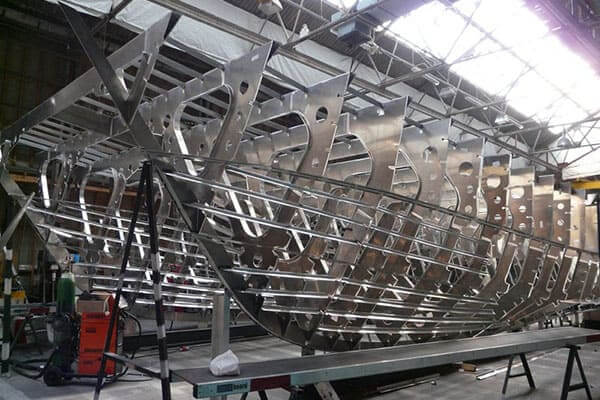
Summary
Both 5086 and 5083 aluminum alloys offered by GNEE, a leading Chinese supplier, provide excellent corrosion resistance and weldability for marine applications.
Choose 5086 aluminum alloy when weight reduction, corrosion resistance, and ease of fabrication are priorities, such as in small boats, superstructures, and secondary components.
Choose 5083 aluminum alloy when high strength, load-bearing capability, and durability are critical, especially for large hulls and structural parts in commercial or naval vessels.
Each alloy plays a vital role in modern shipbuilding, and GNEE ensures consistent quality and performance for both materials, meeting the demanding requirements of marine and offshore engineering.


