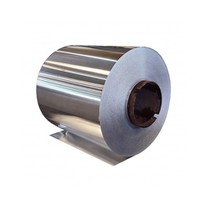
The 5052 aluminum plate is an ideal material for yacht construction due to its excellent physical and chemical properties. It offers outstanding strength, superior corrosion resistance, and excellent machinability, allowing it to perform exceptionally well in a variety of marine environments.
Yachts are generally divided into freshwater and seawater types. Aluminum alloy yachts made from 5052 aluminum not only meet the performance requirements of both categories but also help significantly reduce the vessel's overall weight, improving fuel efficiency and handling.

Advantages of Using GNEE 5052 Aluminum Plate in Yacht Construction
1. Hull Structure
5052 aluminum plate provides robust structural support for the yacht's hull while offering excellent resistance to corrosion caused by seawater and humidity.
2. Deck and Superstructure
Due to its outstanding corrosion resistance and superior workability, 5052 aluminum plate from GNEE, a leading Chinese supplier, is widely used in manufacturing decks and superstructure components of yachts.
3. Cabins and Storage Spaces
5052 aluminum is used to construct interior cabins and storage areas, offering the necessary strength and durability to ensure structural stability and long service life.
4. Other Components
The alloy is also applied in parts such as railings, guard plates, handrails, and decorative sections due to its formability and smooth surface finish.
Because freshwater is far less corrosive than seawater, small freshwater yachts typically use 5052 aluminum plates, particularly in tempers such as 5052H32 and 5052O, which are known for their superior rust resistance and flexibility.
Is 5052 Aluminum Suitable for Shipbuilding?
Yes, 5052 aluminum is highly suitable for shipbuilding. Thanks to its excellent corrosion resistance, formability, and high strength-to-weight ratio, this alloy is widely used in marine applications. It performs exceptionally well in saltwater environments, making it ideal for hulls, decks, and other ship components that require long-term corrosion protection and structural integrity.
What Is Marine-Grade Aluminum 5052?
Marine-grade 5052 aluminum alloy is specifically engineered for use in marine environments where resistance to corrosion, strength, and durability are critical.
Key Properties:
High Corrosion Resistance: The magnesium content in 5052 aluminum provides strong resistance to saltwater, moisture, and chemical corrosion.
Good Strength: Excellent tensile and compressive strength, allowing it to withstand heavy loads and impact forces.
Outstanding Formability: Easily formed into complex shapes, suitable for intricate marine structures.
Excellent Weldability: Ensures smooth and strong welded joints, which are crucial for ship and yacht construction.
5052 aluminum alloy is widely used not only in ships and marine platforms, but also in automobiles, tankers, and storage containers where high corrosion resistance is required.
Although 5052 aluminum performs well in seawater, regular cleaning and inspection are recommended to prevent buildup of salt deposits and to extend the yacht's service life, ensuring long-term performance and safety.

Mechanical Properties of 5052 Marine Aluminum
| Alloy | Temper | Thickness (mm) | Tensile Strength Rm (MPa) | Yield Strength Rp0.2 (MPa) | Elongation (%) |
|---|---|---|---|---|---|
| 5052 O | 3.00–6.00 | 175–215 | ≥65 | ≥18 | |
| 5052 O | >6.00–50.00 | 170–215 | ≥65 | ≥19 | |
| 5052 H111 | 3.00–6.00 | 175–215 | ≥65 | ≥18 | |
| 5052 H111 | >6.00–50.00 | 170–215 | ≥65 | ≥19 | |
| 5052 H22, H32 | 3.00–6.00 | 210–260 | ≥130 | ≥10 | |
| 5052 H112 | 6.00–12.50 | ≥190 | ≥80 | ≥7 | |
| 5052 H112 | >12.50–50.00 | ≥170 | ≥70 | – |
Chemical Composition of GNEE 5052 Marine Grade Aluminum Plate
| Element | Composition (%) |
|---|---|
| Al | Rem |
| Si | ≤0.25 |
| Fe | ≤0.50 |
| Cu | ≤0.10 |
| Mn | ≤0.10 |
| Mg | 2.2–2.8 |
| Cr | 0.15–0.35 |
| Zn | ≤0.10 |
| Note: | Each ≤0.05; Total ≤0.15 |
What Is the Difference Between 6061 and 5052 Aluminum for Boats?
| Alloy | Characteristics | Recommended Use |
|---|---|---|
| 5052 Aluminum Alloy | Excellent corrosion resistance, good strength, and great weldability | Ideal for marine environments, especially for hulls, decks, and corrosion-prone areas |
| 6061 Aluminum Alloy | Higher strength and stiffness, but lower corrosion resistance | Suitable for structural components requiring greater strength, provided protective coatings are applied |
In summary, 5052 is preferred for marine and corrosion-resistant parts, while 6061 is chosen for high-strength structural components that require extra reinforcement.

What Is the Best Grade of Aluminum for Marine Use?
For corrosion resistance: Alloys such as 5052, 5083, and 5086 are ideal for hulls, decks, and other components constantly exposed to seawater.
For high-strength applications: 6061 aluminum alloy is preferred for load-bearing structures and frames that require higher mechanical strength.
Selecting the right aluminum grade based on specific performance and environmental requirements ensures the vessel's durability, safety, and long-term efficiency.
In conclusion, GNEE 5052 aluminum plate stands out as a cost-effective, corrosion-resistant, and high-performance material for yacht and ship construction, providing the perfect balance between strength, lightweight design, and durability in both freshwater and seawater environments.