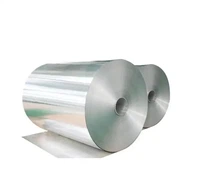
What Is 5052 Diamond Tread Aluminum Plate?
5052 aluminum diamond plate is a high-performance patterned plate known for its anti-slip qualities, corrosion resistance, and durability, and it is also referred to as tread plate or checker plate. The 5052 alloy contains about 2.2-2.8 percent magnesium and 0.15-0.35 percent chromium, which combine to give the plate medium strength and exceptional corrosion resistance, making it well suited to maritime settings. The raised patterns, which may be diamond, five-bar, three-bar, or pointer-shaped, are embossed on the surface and greatly increase slip resistance, which makes the plate appropriate for high-friction or wet areas such as vehicle floors, ship decks, stair treads, and ramps.
Available Alloys and Patterns
Although 5052 is the classic marine choice, patterned plate is manufactured in a variety of alloys including 6061, 3003, 5754, and 6063, and the correct alloy depends on the service environment and strength requirement. The most common pattern is the raised diamond, which offers good anti-slip performance and aesthetics. Ribbed patterns such as one-bar, three-bar, and five-bar configurations give excellent slip resistance, especially on stair treads and ramps. Other patterns such as orange peel and round bean combine anti-slip function with a decorative appearance. Pattern geometry, base alloy, thickness, and finish should all be specified to match the application.
Surface Treatment Options
The surface treatment of 5052 diamond tread plate determines its corrosion protection, appearance, and cost. A mill finish is the natural metal surface with no special treatment, which keeps cost low and suits industrial environments where appearance is not a priority. A bright finish is polished for high reflectivity and a mirror effect, which suits decorative applications, exhibitions, and commercial spaces. Anodizing is an electrochemical treatment that forms a hard, wear- and corrosion-resistant oxide layer in colors such as silver, champagne gold, black, and blue, suitable for building facades, interior decoration, and marine facilities. Painted or powder-coated finishes add protection and are available in many colors for building roofs, walls, signage, and equipment with specific color requirements.
Typical Applications
5052 diamond tread plate is widely used in vehicle anti-slip flooring, ship decks, stair treads, ramps, and platform surfaces, where the combination of slip resistance and corrosion resistance is critical. It is also used in architectural decoration, tool boxes, trailers, walkways, and industrial flooring. Because the 5052 alloy resists saltwater well, the plate is a common choice for boats and coastal structures. In each application, the pattern provides traction while the alloy and finish provide the required durability and appearance.
Selection and Quality Notes
When selecting 5052 diamond tread plate, specify the base alloy, pattern type, thickness, width, length, and surface finish, and match them to the environment: use anodized or coated finishes for exterior and wet service, and mill or bright finishes for interior and industrial use. Quality is assured by consistent pattern geometry, uniform thickness, and controlled surface condition, and reputable suppliers back the product with material test certificates and inspection records. Factory-direct supply keeps cost competitive, and regular stock in common sizes reduces lead time.
FAQ
Q: What is 5052 diamond tread plate?
A: It is 5052 aluminum alloy plate with a raised diamond or ribbed pattern embossed on the surface, providing slip resistance, corrosion resistance, and durability.
Q: What alloys are used for tread plate?
A: Common alloys include 5052, 6061, 3003, 5754, and 6063, selected according to strength, formability, and corrosion requirements.
Q: What patterns are available?
A: Diamond, five-bar, three-bar, and one-bar ribbed patterns, plus decorative patterns such as orange peel and round bean.
Q: Which surface treatment is best for marine use?
A: Anodizing is a strong choice for marine service because it forms a hard, corrosion-resistant oxide layer; the 5052 base alloy itself resists saltwater well.
Q: Can diamond tread plate be painted?
A: Yes. Painted and powder-coated finishes are available in many colors for additional corrosion protection and aesthetic requirements.
Q: Where is 5052 diamond plate commonly used?
A: Vehicle flooring, ship decks, stair treads, ramps, walkways, tool boxes, trailers, and architectural decoration.