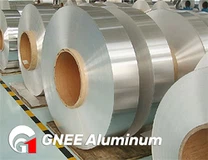
1. What is a perforated floor plate made of aluminum?
A type of flooring material called an aluminum perforated floor plate is created by drilling or punching holes in an aluminum sheet. The perforated design preserves aluminum's inherent qualities of durability, corrosion resistance, and light weight while offering superior ventilation, drainage, and resistance to slide.
1060, 3003, and 5052 aluminum perforated plates are common alloys that offer varying degrees of strength, formability, and corrosion resistance.
2. Uses for Perforated Floor Plates Made of Aluminum
Industries requiring durability, ventilation, and safety frequently use aluminum perforated floor plates. Important uses consist of:
Industrial flooring: For drainage and anti-slip properties in factories, workshops, and power plants.
Architectural flooring: Used for both practical and aesthetic reasons in stair treads, retail centers, and commercial buildings.
Transportation: In trucks, trains, and ships where anti-skid qualities and lightweight design are essential.
Public facilities: Platforms, walkways, and outdoor parks need to be safe and well-ventilated.
3. Benefits of Perforated Aluminum Floor Plates
Strong but lightweight: easier to handle and install than steel flooring.
Resistance to corrosion: Especially appropriate for outdoor or humid settings.
Slip resistance: By increasing traction, the perforated surface lowers the risk of accidents.
Aesthetic value: A variety of hole shapes, including diamond, square, and round, offer design flexibility.
Customizable: Comes in a range of thicknesses, hole configurations, and surface finishes, including mill finish, powder coating, and anodization.
4. Typical Grades of Perforated Floor Plate Made of Aluminum
Excellent corrosion resistance and affordability, 1060 aluminum perforated floor plates are primarily used for indoor flooring.
Often used in architectural projects, the 3003 aluminum perforated floor plate has good formability and resistance to weather.
High strength and exceptional resistance to corrosion make the 5052 aluminum perforated floor plate ideal for heavy-duty and maritime flooring applications.
5. Selecting the Appropriate Perforated Aluminum Floor Plate
Customers should take into account the following factors when choosing perforated aluminum flooring: Load-bearing requirements (choose thicker plates for heavy-duty areas).
environmental factors (1060 for indoor, 3003 for outdoor, and 5052 for marine).
level of slip resistance (choose the hole pattern based on safety requirements).
Surface treatment (powder coating for improved corrosion resistance, anodizing for decorative purposes).
GNEE Perforated Aluminum Floor Plate
Superior aluminum perforated floor plates with bespoke surface finishes, thicknesses, and hole patterns are available from GNEE. Due to our stringent quality control, reliable supply, and international certifications, our products are extensively utilized in industrial flooring, transportation, construction, and marine projects across the globe.