






With the rapid development of the new energy automobile industry, the demand for battery aluminum foil has also ushered in rapid growth. Internet data shows that the overall global demand for battery aluminum foil is expected to reach 488,200 tons, 663,000 tons and 885,500 tons respectively in 2023, 2024 and 2025. According to predictions, by the end of 2025, more than 150 sets of aluminum foil rolling mills will be added to the market, and the new battery aluminum foil production capacity will exceed 1 million tons.
According to Internet data, it is expected that by the end of 2025, the demand for battery aluminum foil will reach approximately 900,000 tons, while the supply will exceed 1.5 million tons. However, Yang Gensheng believes that actual production capacity may not be able to fully meet this demand. He also introduced the difficulties faced in releasing battery aluminum foil production capacity and the challenges in production organization.
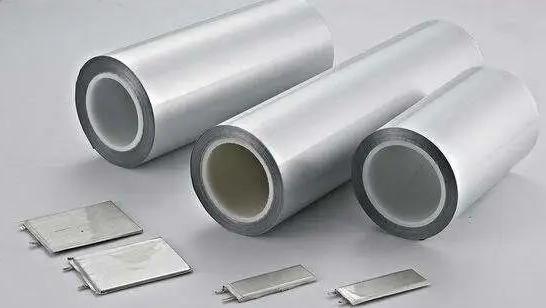
The release of battery aluminum foil production capacity faces the following three major difficulties:
First of all, battery aluminum foil production needs to overcome three major obstacles: technology, management and talent. After the project is completed, it will take 2 to 3 years of team training, technology accumulation and customer introduction.
Secondly, the certification cycle for battery aluminum foil is longer than the market usually expects. Manufacturers that directly supply battery manufacturers need to pass the ISO/TS16949 certification of the automotive industry. They also need to pass the long-term and strict certification process of the battery manufacturer.
Finally, the yield rate of battery aluminum foil products is relatively low, which leads to a large gap between the actual shipments of newly built aluminum foil plants and the planned production capacity, making it difficult to meet expectations, thus increasing production costs and increasing business pressure.
These challenges demonstrate that the battery foil industry, while promising, will need to overcome a range of technical and market barriers to meet growing demand.
