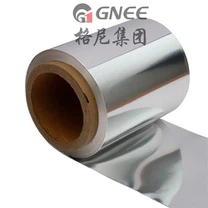
GNEE 5052 H34 is a specialized 5052 aluminum alloy that has undergone strain hardening and stabilization to achieve the H34 temper. This temper offers a balanced combination of high corrosion resistance, good workability, and moderate strength, making it suitable for applications such as marine structures, aircraft fuel lines, and general sheet metal fabrication.
For marine projects, selecting the right material is critical to ensure long-lasting performance, resistance to harsh conditions, and overall reliability. GNEE 5052 H34 marine-grade aluminum emerges as an outstanding choice, combining superior strength, excellent corrosion resistance, and the flexibility to support innovative design solutions.
This comprehensive guide explores the properties, benefits, applications, and best practices for using 5052 H34 aluminum in marine environments.
Whether you are an engineer, designer, boat builder, or enthusiast, this detailed overview equips you with the knowledge to fully leverage the advantages of GNEE 5052 H34 marine-grade aluminum in your projects.
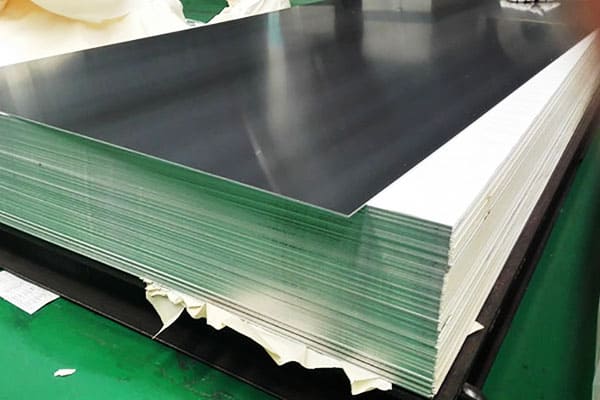
Key Characteristics
Composition: Primarily aluminum with magnesium, containing approximately 95–98% aluminum and 2.25–2.75% magnesium.
Temper (H34): "H" indicates strain hardening, and "34" represents a specific level of hardening and stabilization, giving the alloy a strength between annealed and full-hard tempers.
Properties:
Excellent corrosion resistance
Good formability and weldability
Higher tensile strength compared to H32 temper
Suitable for surface treatments such as anodizing and polishing
Common Applications:
Aircraft fuel and oil lines
Marine components, including boat hulls and large tanks
General sheet metal fabrication
Appliances and lighting fixtures
Vehicle bodies, truck air brake tanks, and fuel tanks
Street signs and electrical enclosures
GNEE 5052 H34 aluminum sheets provide a versatile solution for projects requiring a combination of strength, durability, and corrosion resistance.
The Importance of Marine-Grade Aluminum: Why Choose 5052 H34
Marine environments present unique challenges, including saltwater exposure, high humidity, mechanical stress, and intense UV radiation.
Selecting the right aluminum alloy for marine projects can significantly extend the lifespan of structures while minimizing maintenance requirements.
What Makes Marine-Grade Aluminum Special?
Marine-grade aluminum is specifically engineered to handle these demanding conditions through:
Superior corrosion resistance, particularly against chlorides.
High fatigue and tensile strength to ensure structural integrity.
Enhanced stability under harsh environmental conditions.

Why GNEE 5052 H34 Excels in Marine Applications
Although alloys such as 6061 or 5083 are widely used, 5052 H34 provides an optimal balance of properties:
Higher strength than 5052 O (annealed) due to strain hardening.
Corrosion resistance comparable to or exceeding 5083 in mild to moderate saline environments.
Excellent weldability, making it ideal for fabricating complex marine structures and components.
Comparison of Marine-Grade Aluminum Alloys
| Alloy | Max T.S. (psi) | Corrosion Resistance | Weldability | Typical Applications |
|---|---|---|---|---|
| 5052 H34 | 28,000–38,000 | Excellent | Excellent | Boat hulls, fuel tanks, pressure vessels |
| 5083 H131 | 35,000–45,000 | Superior | Good | High-performance ships, offshore platforms |
| 6061-T6 | 45,000–60,000 | Good | Excellent | Structural components, decks, frameworks |
Tip: For projects where maximum corrosion resistance is critical, 5083 may be preferred. However, GNEE 5052 H34 provides a practical balance of strength, corrosion resistance, and ease of fabrication for most marine applications.