Why Aluminum Foil Is a Versatile Household Material
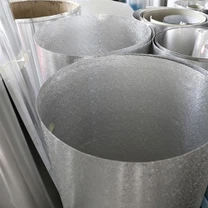
Aluminum foil combines high reflectivity, excellent formability, low weight, and good heat resistance, which makes it useful far beyond simple food wrapping. In the kitchen, at a campsite, or in a workshop, foil can serve as an improvised tool, a protective layer, or a reflective surface. Food-contact aluminum foil is also widely used in cooking and food packaging when the appropriate product specification and applicable food-contact requirements are met.
Kitchen and Camping Tips
A few practical uses are well proven. To improvise a skillet, place a skewer or suitable support beneath two layers of heavy-duty foil, fold and secure the edges around stable supports, and leave enough space in the center for cooking; use only stable, heat-resistant supports and keep the foil away from direct flames where possible. To protect a pie crust, cover the exposed edges with strips of foil during baking so the edges do not over-brown while the center finishes cooking. A sheet of food-grade foil folded into a cone with a small opening at the tip makes a simple frosting cone when a piping bag is unavailable. Wrapping freshly baked bread with foil as an outer layer reflects radiant heat and helps retain warmth, although foil is not a complete thermal insulator. Shaping several layers of heavy-duty foil into a temporary tray beneath grilled food collects grease and juices, and a ball of foil can loosen residue from grill grates once the grill has cooled to a safe temperature, provided the surface is not delicate, coated, or easily scratched.
More Household and Workshop Applications
Foil can also be rolled into a temporary funnel for transferring non-hazardous liquids or dry materials, or used to line the interior of a cardboard box with the top and one side removed, creating a reflective light box that redirects light toward plants that would otherwise sit in shadow; keep foil away from electrical equipment and avoid overheating the plants. Around a seed-starting area, foil can act as a reflective lining to redirect available light toward seedlings, but it does not function as a heat-absorbing incubator, so seed temperature should be controlled through the surrounding environment or a purpose-designed propagation system.
Food Safety and Contact Considerations
Prolonged direct contact with highly acidic or salty foods should be avoided: tomatoes, citrus fruits, vinegar-based dishes, pickles, and heavily salted foods can react with aluminum under certain conditions, particularly during long storage or heating. For these applications, use a suitable food-grade coating, a non-reactive container, or a compatible food-contact film. Household and packaging foil is manufactured for specific applications and should meet the applicable food-contact requirements. Alloy 8011 is commonly used for household and packaging foil, but alloy designation alone does not establish food-contact compliance, and industrial foil may have different surface conditions, lubricants, coatings, or processing requirements that make it unsuitable for direct food contact without verification.
Heating, Storage, and Handling Safety
Microwave use requires caution: aluminum foil reflects microwave energy and can cause arcing under certain conditions, so foil should not be used in a microwave unless the appliance and packaging instructions specifically permit it. Foil can withstand many oven-cooking applications, but direct contact with heating elements or uncontrolled flames can create fire, melting, or equipment-damage risks, so always follow the cookware, appliance, and foil manufacturer's instructions. Store foil rolls in a dry environment away from excessive moisture, condensation, and corrosive substances, and handle foil with clean, dry hands, because oils, moisture, and dirt can leave surface marks or affect subsequent printing, coating, laminating, or forming operations. The shiny and dull sides of conventional household foil are mainly a result of the final rolling process; for most cooking and wrapping applications either side can be used unless the manufacturer specifies otherwise.
FAQ
Q: Can aluminum foil be used in a microwave oven?
A: Generally no. Foil reflects microwave energy and can cause arcing, so it should only be used if the microwave manufacturer and the food packaging instructions specifically permit it under stated conditions.
Q: Is it safe to wrap acidic or salty foods in aluminum foil?
A: Prolonged direct contact with highly acidic or salty foods such as tomatoes, citrus, vinegar-based dishes, and pickles can react with aluminum, especially during long storage or heating. Use a coated, lacquered, or non-reactive barrier for those foods.
Q: Which side of aluminum foil should face the food?
A: For most cooking and wrapping applications either side can be used; the shiny and dull sides are mainly a rolling artifact, and neither provides a universally significant improvement in heat retention.
Q: Can aluminum foil be used for grilling and camping cooking?
A: Yes, heavy-duty foil works well for improvised skillets, drip trays, and grill cleaning, provided supports are stable and heat-resistant and the foil stays away from direct flames where possible.
Q: Is all aluminum foil food safe?
A: No. Only foil manufactured for food-contact applications and meeting the applicable requirements should be used with food; industrial foil may carry different lubricants, coatings, or surface conditions.
Q: How should aluminum foil be stored?
A: Store rolls in a dry environment away from moisture, condensation, and corrosive substances, and handle with clean, dry hands to avoid surface marks and contamination.