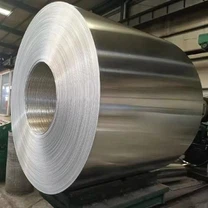
What makes non-stick aluminum foil different from regular foil?
Non-stick foil has a food-safe silicone coating (usually 2-5μm thick) applied during manufacturing. The coating reduces food adhesion by 60-80% compared to bare foil. It withstands temperatures up to 260°C (500°F) without degradation. Unlike greasing regular foil, it provides consistent release performance. Major brands like Reynolds Wrap® use proprietary silicone formulations.
How does the non-stick coating affect cooking performance?
The coating prevents acidic foods (tomatoes, citrus) from reacting with aluminum. It enables cleaner release of sticky foods like cheese or caramel. Heat distribution remains identical to uncoated foil (thermal conductivity ≈235 W/m·K). Baked goods achieve more even browning without sticking. However, searing meats creates less crust formation due to reduced contact.
Are there health concerns with non-stick foil coatings?
FDA-approved food-grade silicones (e.g., polydimethylsiloxane) are chemically inert at cooking temperatures. Independent studies show <0.1% silicone migration even under extreme heat. The coatings contain no PFOA/PFAS compounds found in some cookware. Allergen risks are negligible as silicones are non-proteinaceous. Proper usage (avoiding temperatures above 260°C) ensures safety.
What are the environmental impacts of non-stick foil production?
Silicone coating adds 8-12% to the foil's carbon footprint versus standard foil. The coating process consumes additional energy (≈15 kWh/ton of foil). However, it reduces food waste by improving yield in commercial kitchens. Most recycling facilities accept coated foil if cleaned properly. Emerging bio-based silicone alternatives may improve sustainability.
How do premium non-stick foils compare to budget options?
Premium brands (Reynolds, If You Care) use medical-grade silicones with 10,000+ release cycles. Budget foils often have thinner coatings (1-2μm) that degrade after 3-5 uses. High-end products feature reinforced edges to prevent coating delamination. Professional-grade foils undergo third-party food safety certifications. Price differences reflect coating durability (premium lasts 2-3× longer).