1. What defines "extra-thick" aluminum foil in industrial standards?
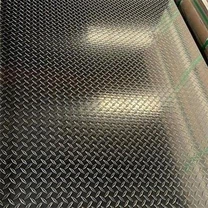
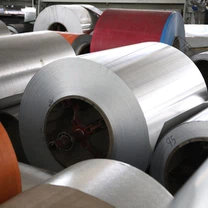
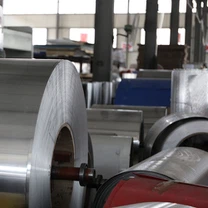
Extra-thick foil typically exceeds 30μm (0.03mm), compared to standard household foil (10-20μm). ASTM B479 classifies heavy-duty foil as ≥0.025mm for structural applications. Commercial brands like Reynolds Wrap® Heavy Duty measure 24-30μm. This thickness enhances puncture resistance for grill liners or HVAC insulation. The EU EN 546 standard mandates tensile strength tests for certification.
2. How does thickness impact heat retention in cooking?
Thicker foil (35-50μm) reduces heat loss by 15-20% versus thin foil (USDA ARS 2023 study). It withstands direct flame up to 700°C vs standard foil's 660°C limit. Multi-layer thick foil creates air gaps for better insulation in BBQ smoking. Professional kitchens use it for sous vide wrapping to prevent leaks. However, it requires 10% longer preheating in ovens.
3. What industrial applications require extra-thick foil?
Aerospace uses 50-200μm foil for thermal shielding in satellites (NASA MSFC-SPEC-1457). Pharmaceutical packaging relies on 40μm foil for moisture/light barrier compliance (USP <671>). Automotive battery wraps employ 35μm foil for EMI shielding in EVs. Construction utilizes laminated thick foil for radiant barriers in walls. These grades cost 2-3x more than consumer foil.
4. Are there sustainability trade-offs with thicker foil?
Thicker foil consumes 18% more energy per square meter during production (IAI 2024 report). However, its reusability (5-10x vs thin foil) offsets lifecycle impacts. Recycling remains efficient-aluminum retains 100% recyclability regardless of thickness. Some brands now offer 30μm foil with 30% recycled content. Landfill volume increases marginally due to slower degradation.
5. How do consumers choose between thickness grades?
For grilling/searing, 30-40μm foil prevents flare-up penetration (Weber Grill Academy trials). Campers prefer 25-30μm for durable makeshift cookware. Thin foil (10-15μm) suffices for wrapping sandwiches or covering plates. Price differentials are notable: 30μm costs 0.12/sqftvs0.12/sqftvs0.07/sqft for 18μm (2025 Walmart pricing). Professional chefs stock multiple thicknesses for task-specific use.