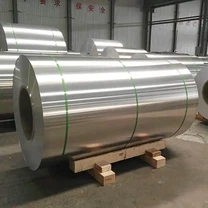
1.Similarities and differences between 5052 and 6061 aluminum alloys
| Aluminum 6061 | Aluminum 5052 |
|
Heat-treatable Excellent machinability Excellent corrosion resistance Semi-smooth surface Lightweight High-tensile strength |
Non-heat-treatable Excellent weldability High corrosion resistance Smooth surface Lightweight High-tensile strength |
2.Common applications
Both 5052 and 6061 aluminum have a vast variety of applications. A few of the more common applications for 5052 aluminum include:
Fuel tanks
Truck-trailer side panels and cabs
Road signs
Pressure vessels
Hydraulic tubes
Kitchen cabinets
Small boats
Home freezers
Fencing
Some common applications for 6061 aluminum include:
Aerospace
Aircraft boats
Storage tanks
Bridges
Railroad cars
Furniture
Tank fittings
Wire products
3.Comparison of Material Properties Between 6061 Aluminum vs. 5052 Aluminum Alloys:
|
Properties |
6061 Aluminum | 5052 Aluminum |
|---|---|---|
| Tensile Strength (MPa) | 276 – 310 | 210 – 280 |
| Yield Strength (MPa) | 241 – 276 | 83 – 240 |
| Elongation (%) | 8 – 10 | 12 – 16 |
| Hardness (Brinell HB) | 95 | 60 |
| Modulus of Elasticity (GPa) | 68.9 | 68.9 |
| Density (g/cm³) | 2.7 | 2.7 |
| Melting Point (°C) | 582 – 651 | 607 – 649 |
4.Is 6061 or 5052 aluminum more expensive
Generally speaking, the raw material cost of aluminum is very similar, but may fluctuate according to market demand and shape such as aluminum sheet, aluminum extrusion profile, aluminum tube, etc. However, the final part cost may be affected by the processing process.
The superior processing performance of 6061 can reduce processing costs, while the superior forming performance of 5052 can reduce the cost of complex bending operations.
5.Recommendation:
Choose 5052 if your priority is corrosion resistance and formability, especially in marine, chemical, or sheet metal applications.
Choose 6061 if your project requires higher strength and precision machining, such as in structural, aerospace, or automotive parts.