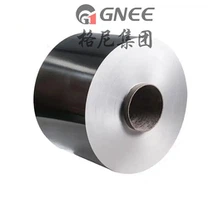
Aluminum foil is one of the most widely used materials for food packaging. It is more than a simple wrapper: when used correctly, it provides an excellent barrier against light, oxygen, moisture, grease, and external contaminants while remaining lightweight, flexible, and recyclable. This article explains the main benefits of aluminum foil for food packaging, typical thickness ranges for different applications, and the important food-contact boundaries that packers and converters should consider.
Why Aluminum Foil Protects Food So Well
- Excellent barrier: Aluminum foil provides a virtually complete barrier against light, oxygen, water vapor, grease, and many external contaminants. This helps protect food quality, flavor, and shelf life.
- Aroma retention: Foil has very low permeability to gases and aroma compounds, helping retain volatile flavors inside the package while preventing external odors from entering.
- Hygiene and food-contact performance: Clean, properly manufactured aluminum foil is widely used for food-contact packaging. It does not absorb liquids and can provide a clean, stable packaging surface when the appropriate alloy, temper, coating, and processing conditions are selected.
- Lightweight and material-efficient: Aluminum foil can be produced in very thin gauges, reducing material consumption, package weight, transportation requirements, and overall packaging costs.
- Recyclability: Aluminum can be recycled repeatedly without fundamentally changing its metallic properties. Recycling generally requires much less energy than producing primary aluminum from bauxite.
- Formability and dimensional stability: Annealed aluminum foil is soft and highly formable, making it suitable for lids, wrappers, blister-type applications, and formed food containers. Its metallic structure also provides good shape retention after forming.
What Can Touch Aluminum Foil Directly
Aluminum develops a thin protective oxide layer that provides good resistance to many environments. However, aluminum foil is not universally compatible with every food. For direct food contact, the product formulation, food composition, temperature, contact time, and surface condition should all be considered.
Suitable for many direct-contact applications: Dry foods, bakery products, chocolate, butter, cheese, confectionery, and many neutral or low-aggressiveness foods can be packaged directly in suitable aluminum foil.
Use caution with acidic or salty foods: Citrus products, tomato-based sauces, vinegar-containing foods, pickles, highly salted foods, and other aggressive formulations can react with aluminum under certain conditions. Heating, high salt concentration, high acidity, and long contact times can increase the risk of corrosion and aluminum migration.
Solution: For aggressive food formulations, manufacturers commonly use lacquered or coated aluminum foil, laminated foil, or aluminum-plastic composite structures. The coating or polymer layer acts as a barrier between the food and the aluminum surface.
Food-contact suitability should always be confirmed against the applicable regulations and customer specifications for the target market rather than relying only on the alloy designation.
Choosing the Right Thickness
| Application | Typical Thickness |
|---|---|
| Chocolate and confectionery wrapping | 7–15 µm |
| Candy and confectionery | 10–12 µm |
| Dairy desserts and yoghurt lids | 30–38 µm |
| Jams, pies, and bakery liners | 50–70 µm |
| Foil containers and lunch boxes | 0.03–0.20 mm (30–200 µm) |
The required thickness depends not only on the food product but also on forming requirements, mechanical strength, pinhole performance, sealing structure, printing or laminating processes, and required shelf life. Thinner foil can reduce material consumption and packaging costs, but very thin gauges require tighter control of pinholes, surface quality, strength, and handling performance. For long-shelf-life products, buyers should specify acceptable pinhole levels and verify the required barrier performance rather than selecting thickness alone.
Aluminum Foil Containers and Trays
Aluminum foil containers, lunch boxes, and food trays are commonly manufactured from alloys such as 8011 and 3003, depending on the forming process, strength requirements, and application. The foil is typically supplied in large mother coils and then blanked, formed, and pressed into the required container shape using automated equipment.
These containers offer good heat resistance and can be suitable for oven, baking, reheating, and other applications within the manufacturer's specified temperature and usage limits. For acidic, salty, or otherwise aggressive foods, coated or lacquered foil containers can provide additional protection and help reduce direct contact between the food and aluminum.
Products Commonly Packed in Foil
Coffee, tea, instant drinks, and powdered beverages.
Chocolate, confectionery, snacks, cookies, and nuts.
Jams, pies, bakery products, and butter.
Sausages, jerky, processed foods, and ready-to-eat meals.
Baby food, preserves, soups, and other products requiring extended protection from light, oxygen, or moisture.
The appropriate foil structure depends on the product's moisture content, acidity, fat content, shelf-life target, filling temperature, and sealing method.
Colored Foil Packaging
Colorful aluminum foil combines barrier performance with branding and product presentation. Printing and lacquering can add product information, graphics, logos, and decorative effects while maintaining the functional role of the foil structure.
For food packaging, printing is normally applied to the non-food-contact side, or an appropriate protective layer is used when required by the packaging structure. Food-contact-approved inks, coatings, lacquers, and adhesives should be selected according to the intended application and destination-market regulations. Proper control of coating adhesion, curing, migration, and surface cleanliness is essential for a compliant finished package.