Anodizing is one of the best ways to finish an aluminum part: it creates a hard, corrosion-resistant, and often beautiful surface. This guide provides a straightforward, honest answer about anodizing 3003 aluminum - how it performs, why it looks the way it does, and which alloys are better alternatives when appearance is critical.
1. The Direct Answer
Yes, 3003 aluminum can definitely be anodized. The process will successfully create a protective oxide layer that significantly improves its corrosion resistance. However, due to its alloying elements (primarily manganese), the anodized finish on 3003 is typically less uniform, slightly darker, and more matte or dull gray compared with alloys like 6061. It is excellent for functional anodizing (protection) but is not the ideal choice for high-quality, decorative cosmetic finishes.
2. What Is 3003 Aluminum?
3003 is a very common, general-purpose alloy in the 3xxx aluminum-manganese (Al-Mn) family. Its key features are excellent corrosion resistance, great formability (one of the best alloys for bending), and moderate strength. For anodizing, the most important detail is its manganese (Mn) content: this single element is the main reason its anodizing behavior differs from other popular alloys.
3. Anodizing 3003 Aluminum Sheets
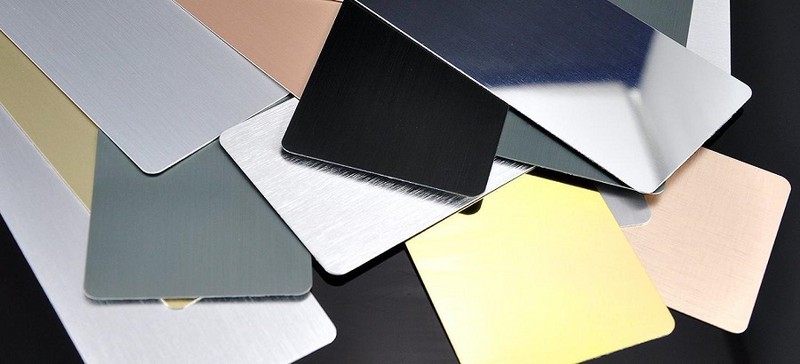
Anodizing 3003 sheets creates a hard, durable oxide layer through an effective electrochemical process. The anodized sheets have excellent weather resistance and chemical corrosion resistance, making them ideal for harsh environments. The trade-off is appearance: the finish will not have the bright, transparent surface that people usually expect.
4. Analysis of Anodizing Results for 3003
| Property | Performance on 3003 | Explanation |
|---|---|---|
| Coating formation | Good | A consistent and protective anodic layer can be reliably formed. |
| Corrosion resistance | Excellent | The anodized layer provides a superior barrier, better than the alloy's already good natural resistance. |
| Color uniformity | Moderate | The finish can show slight variations or a mottled appearance, especially on larger surfaces; not as consistent as 6061. |
| Surface appearance | Slightly dull / grayish | Even with a clear (natural) anodize, 3003 typically has a grayish or yellowish tint and a less lustrous finish. |
For functional applications where protection is the only goal, anodized 3003 is a great, cost-effective choice. For decorative applications, it usually falls short.
5. Why Is the Finish on 3003 Less Ideal?
The difference comes down to the alloy's chemistry. The anodizing process builds a layer of aluminum oxide from the aluminum in the part itself; other elements can get trapped in this layer or react differently to the process. In 3003, the primary alloying element is manganese, which causes two things: manganese intermetallics embedded in the oxide layer give the coating a natural gray, brownish or yellowish hue (the more manganese, the more pronounced the effect); and the distribution of alloying elements is not perfectly even, leading to subtle variations in color and clarity. In contrast, 6061's magnesium and silicon create a much clearer, more consistent oxide layer, ideal for bright, uniform colors.
6. Anodizing Comparison: 3003 vs Other Popular Alloys
| Alloy | Anodizing Quality | Best For... |
|---|---|---|
| 1100 | Good | Very pure, bright clear finish; however, very soft and not very strong. |
| 3003 | Moderate | Functional coatings where corrosion resistance is key and appearance is secondary. |
| 5052 | Good | Bright clear finish, sometimes slightly yellower than 6061; excellent for marine applications needing a good decorative finish. |
| 6061 | Excellent | The industry standard for high-quality decorative anodizing; very clear, consistent, aesthetically pleasing finish that accepts dyes beautifully. |
For any high-end decorative part - from consumer electronics cases to architectural trim - 6061 is the superior choice for anodizing.
7. Applications for 3003 Anodized Sheet
- Industrial and chemical equipment: tanks, trays and housings that need maximum corrosion protection but are not seen by the end-user.
- Internal structural components: brackets, chassis and supports inside machinery or enclosures.
- Hidden parts: any component where the primary goal is preventing corrosion over the product's lifespan.
- Cookware: some pots and pans are hard-anodized for a durable, non-reactive surface, and 3003 is often used for this.
8. When NOT to Use 3003 for Anodizing
- High-end consumer electronics - smartphone cases, laptop bodies, hi-fi equipment;
- Architectural exteriors - panels, window frames and trim where color consistency and a premium look are essential;
- Decorative trim and panels - automotive, marine or product design where the anodized finish is a key visual feature.
For these applications, 6061 or 5052 aluminum should be considered instead.
9. Tips for Improving Anodizing Results on 3003
- Proper pretreatment: thoroughly cleaning and etching the surface removes impurities and creates a more uniform base for the oxide layer.
- Control anodizing parameters: adjusting temperature, voltage, and acid concentration influences the final color and consistency.
- Consider dyeing: darker dyes (such as black) can mask the natural grayness of the 3003 substrate, producing a more acceptable cosmetic result.
- Mechanical finishing: brushing or polishing before anodizing can sometimes improve luster, though it will not eliminate the underlying color issues.
10. How to Choose the Right Alloy
| If your primary need is... | The best alloy is likely... |
|---|---|
| A beautiful decorative finish (any color) | 6061 |
| Purely functional corrosion resistance | 3003 |
| A bright finish in a marine environment | 5052 |
| The clearest, brightest possible finish | 6061 or a 5xxx series alloy |
Making the right material choice saves time and money - evaluate the finish requirement before committing to the alloy.
11. Common Misconceptions
Myth 1: "Any aluminum can be anodized to look good." False - the alloy's chemistry has a massive effect on the final appearance. Myth 2: "If it can be anodized, the result will be high quality." False - a successful functional coating does not guarantee a successful decorative coating. The truth is simple: the alloy you choose is the single most important factor in determining the quality and appearance of your final anodized part.
12. FAQ
12.1 Can 3003 aluminum be anodized?
Yes - it can be anodized to create a very durable and corrosion-resistant protective layer.
12.2 Why does 3003 anodize darker?
Its manganese (Mn) content gets trapped in the anodic film, giving it a natural gray, brownish or yellowish tint.
12.3 Which aluminum alloy is best for anodizing?
For decorative purposes where a clear, uniform, high-quality finish is needed, 6061 is widely considered the best and most reliable choice.
12.4 Is 6061 better than 3003 for anodizing?
For cosmetic and decorative applications, 6061 is significantly better. For purely functional corrosion protection, both are excellent, but 3003 is often more cost-effective.
12.5 Can 3003 be used for decorative anodizing?
It is generally not recommended. While it can be dyed (especially dark colors), it will not achieve the bright, clean look of alloys like 6061 or 5052.