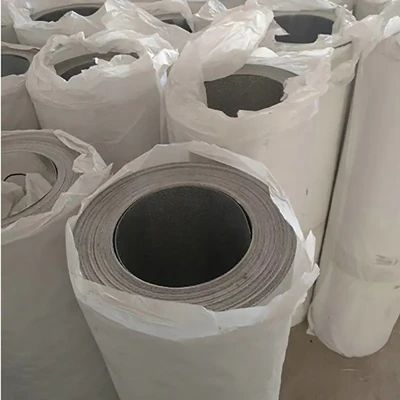
Q1: How is bauxite converted into pure aluminum?
Bauxite ore undergoes a two-stage process: First, the Bayer Process refines bauxite into alumina (aluminum oxide) by dissolving it in caustic soda, filtering out impurities like iron oxides (red mud). Second, alumina undergoes electrolysis via the Hall-Héroult Process, where it's dissolved in molten cryolite at 950°C. Electric current separates oxygen from aluminum, forming liquid aluminum at cathode cells. This molten metal is siphoned off and cast into ingots. Each ton of aluminum requires ~13,500 kWh of electricity.
Q2: Why is recycling aluminum environmentally significant?
Recycling aluminum saves 95% of the energy needed for primary production. It requires only 5-10% of the original energy input since it bypasses mining and electrolysis. Aluminum can be recycled infinitely without quality loss. Globally, 75% of all aluminum ever produced is still in use. Recycling one ton prevents 9 tons of CO₂ emissions, making it key to circular economy goals.
Q3: What are the primary alloying elements in aluminum?
Common alloying elements include:
Copper (2xxx series): Enhances strength for aerospace applications
Manganese (3xxx series): Improves corrosion resistance in beverage cans
Silicon (4xxx series): Lowers melting point for welding wire
Magnesium (5xxx series): Boosts marine-grade corrosion resistance
Zinc (7xxx series): Maximizes strength in structural components
Each element alters mechanical properties like hardness or ductility.
Q4: How does anodizing improve aluminum surfaces?
Anodizing electrochemically thickens aluminum's natural oxide layer. The part is immersed in acid electrolyte while electric current flows, creating microscopic pores. These pores absorb dyes for coloration, then are sealed with boiling water. Resulting surfaces resist corrosion 10x better, enhance abrasion resistance, allow color customization, and enable better adhesive bonding.
Q5: What is continuous casting for aluminum?
Continuous casting produces sheets or rods directly from molten metal. Molten aluminum is poured into a water-cooled mold, solidifying into a continuous slab. This slab passes through rollers to reduce thickness. Compared to ingot casting, it reduces energy by 45%, minimizes waste, and enables high-volume production of uniform-quality stock for rolling mills.