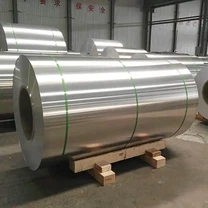
Why is aluminum used in fire protection systems?
Aluminum is lightweight yet strong, making it ideal for fire-resistant structures and components. It has a high melting point (660°C), delaying structural failure during fires. Aluminum forms a protective oxide layer that resists corrosion, ensuring durability. It is often used in fire doors, sprinkler systems, and smoke vents. The metal's recyclability also supports sustainable fire safety solutions.
How does aluminum contribute to passive fire protection?
Aluminum alloys are used in fire-rated walls and ceilings to compartmentalize flames. Its thermal conductivity helps dissipate heat, slowing fire spread. Aluminum cladding can shield underlying materials from high temperatures. It is also used in firestop systems to seal gaps in buildings. These features enhance evacuation time and structural integrity during fires.
What are the limitations of aluminum in fire protection?
Aluminum loses strength rapidly at temperatures above 250°C, risking deformation. Unlike steel, it doesn't char but can melt, potentially dripping in intense heat. Thin aluminum panels may warp under thermal stress. Special coatings or alloys are needed to improve fire resistance. Engineers must balance its benefits with these vulnerabilities in design.
How is aluminum used in fire suppression equipment?
Aluminum cylinders store compressed fire-extinguishing agents like CO₂ due to their corrosion resistance. Lightweight aluminum frames are used in portable fire extinguishers for easy handling. The metal's non-sparking property makes it safe for chemical fire systems. Aluminum pipes are also used in foam-based suppression systems. Its durability ensures long-term reliability in emergency scenarios.
What innovations involve aluminum in fire safety technology?
Nano-coated aluminum panels are being tested for enhanced fire resistance. Aluminum composite materials (ACMs) with fire-retardant cores improve building safety. Researchers are developing aluminum alloys that maintain strength at higher temperatures. Smart fire alarms with aluminum housings integrate IoT for faster response. These advancements aim to address traditional limitations while leveraging aluminum's advantages.