How Aluminum Foil Is Used in Transformer Windings
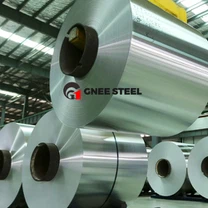
Aluminum foil used in transformer windings usually comes in the form of sheets or strips, and it is used as a conductor to carry the current in the winding. In modern transformer construction, foil windings replace round or rectangular wire in many designs because they provide better space utilization, improved heat transfer, and more uniform current distribution across the coil. The foil is wound together with an insulating layer to form the winding package, and the finished assembly is then impregnated or encapsulated according to the transformer design.
Key Properties and Reasons for Using Aluminum Foil
Cost is a major factor: aluminum is generally less expensive than copper, making it an attractive choice for transformers where cost is a concern. Weight is another advantage: aluminum is lighter than copper, which is valuable in mobile or portable transformers and in large power transformers where shipping and installation weight matters. Thermal conductivity is also favorable: aluminum has higher thermal conductivity than copper, meaning it can dissipate heat more efficiently, which is beneficial where heat dissipation is a concern. Finally, aluminum offers good corrosion resistance, which is advantageous in certain environments.
Battery Foil and the Current Collector Connection
Battery aluminum foil acts on the positive electrode of the battery and is the current collector in the power battery. Battery aluminum coil can greatly reduce the contact resistance between the positive and negative electrode material and the current collector, and improve the adhesion between the two, thereby significantly increasing the service life of the new power battery. The same principles apply in transformer windings: clean, uniform aluminum foil with controlled surface condition improves electrical contact and reliability of the finished coil.
Limitations and Design Considerations
Although aluminum is a good conductor of electricity, it is less conductive than copper. This means that for the same current-carrying capacity, aluminum conductors need to be larger in cross-section than copper conductors, which affects the overall winding size and design. Aluminum is also generally softer and less mechanically strong than copper, making it more susceptible to damage during handling or wrapping. These factors are managed through careful coil design, appropriate insulation, and controlled winding tension in production.
Aluminum vs Copper: How to Choose
The choice between aluminum and copper for transformer windings is usually influenced by the balance of cost, weight, conductivity, thermal performance, and mechanical requirements for the specific application. In some cases, transformers use a combination of copper and aluminum windings, depending on the design and performance specifications. Buyers should evaluate the total cost of ownership, including material price, winding losses, cooling requirements, and the mechanical demands of the transformer service.
Procurement Notes for Winding Foil
When ordering aluminum foil for transformer windings, specify alloy, temper, thickness, width, edge condition, surface cleanliness, and the applicable standard. Foil for electrical windings must have controlled thickness tolerance and clean, burr-free edges to avoid damaging insulation during winding. Confirm the required conductivity class and request mill test certificates for the delivered coils.
FAQ
Q: Why is aluminum foil used in transformer windings?
A: Aluminum offers lower cost, lighter weight, and higher thermal conductivity than copper, making it attractive for many transformer designs.
Q: Is aluminum as conductive as copper?
A: No, aluminum has lower electrical conductivity than copper, so aluminum conductors must be larger in cross-section for the same current-carrying capacity.
Q: Can a transformer use both aluminum and copper windings?
A: Yes, some transformers use a combination of copper and aluminum windings, depending on the design and performance specifications.
Q: What is battery aluminum foil?
A: Battery aluminum foil acts as the current collector on the positive electrode of a battery, reducing contact resistance and improving adhesion with the electrode material.
Q: What should be specified when ordering winding foil?
A: Specify alloy, temper, thickness, width, edge condition, surface cleanliness, and the applicable standard, and request mill test certificates.