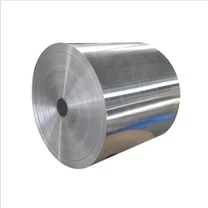
8011 aluminum foil is a popular roofing material due to its high corrosion resistance, lightweight design, and thermal insulation capabilities. This material can perform well as a moisture barrier, a thermal radiation reflector, or a composite roof structure.
GNEE's 8011 roof aluminum foil insulation material can reflect up to 96% of heat while remaining stable over time. This not only efficiently prevents external heat from entering the room, but also significantly increases the house's energy efficiency.

Specifications for GNEE 8011 roofing aluminum foil
EN 546
ASTM B479
RoHS
Common 8011 roofing aluminum foil
Bare 8011 aluminum foil for roof
Roof bare 8011 aluminum foil is an aluminum foil with no coatings or surface treatments. It is lightweight, strong, and has good corrosion resistance. It is commonly used as a heat insulation, moisture-proof, and protective covering on building roofs.
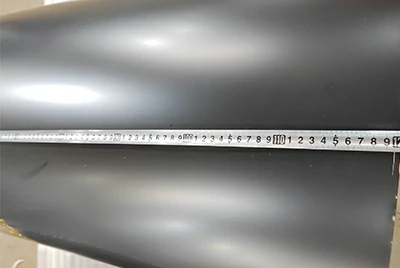
Temper: O
Thickness: 0.014mm – 0.03mm
Width: 20mm - 1600mm
Features: Lightweight, corrosion-resistant, heat-insulating, moisture-proof, surface uncoated, heat reflectivity up to 96%.
Limitations: No coating protection, limited corrosion and moisture-proof performance.
Application: Commonly used in roof insulation, moisture-proof layer and simple protective environment, suitable for projects with low decorative requirements.

8011 coated aluminum foil for roof
8011 roof coated aluminum foil is a lightweight and durable aluminum material that has been carefully coated to promote corrosion, UV ray, and weather resistance while also providing improved thermal insulation and aesthetics.
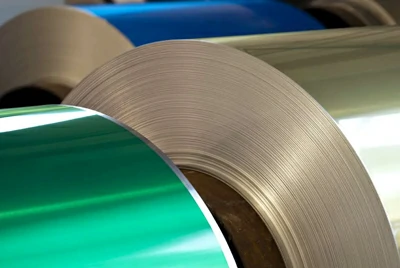
Thickness:0.015mm - 0.2mm
Width:20mm - 1600mm
Coating thickness:7 – 10μm
Top layer: Colored lacquer, polyester, PE
Bottom layer: Colored lacquer, polyester, PE
Coating surface:double side
Color: gold, silver, red, blue, black, gray, white, green, copper, brown, wood, or customized.
Features: Adding a coating on the surface of aluminum foil enhances thermal insulation, weather resistance, oxidation resistance and decorative properties, while providing a longer service life.
Application: Used in rooftop buildings with higher requirements for aesthetics and durability, such as high-end residential or public facility roofs.

How to choose the right 8011 roofing aluminum foil?
When selecting 8011 roofing foil for roof insulation, consider the following factors:
Thickness: Choose 0.00093-inch foil for maximum durability and reflective effectiveness.
Width: Common widths are 48, 60, and 96 inches, which accommodate conventional roof panels and minimize seams.
Texture: Wrinkled or pleated textures are ideal for uneven surfaces, but smooth surfaces can corrugate readily.
Packaging: To reduce shipping and installation damage, use tear-resistant bags or cartons.
Reflectivity: To maximize heat reflection, the target emissivity is less than 0.05.
The main purpose of 8011 roof aluminum foil
8011 roofing foil is commonly used for roof insulation. Common applications include:
Underlayment serves as both a waterproof barrier and a thermal insulating layer beneath roof tiles, wood, or metal panels.
Cavity liners are installed on the attic or roof deck to reflect radiant heat and improve thermal insulation.
Single-ply roofing is utilized underneath membrane systems like TPO and PVC to provide moisture resistance and thermal insulation.
Metal structures provide an affordable insulation solution for corrugated steel, aluminum, or copper roof panels.
Renovation projects involve upgrading outdated insulation materials to increase thermal insulation performance.
8011 installation of aluminum foil roof insulation
Installation practices have a direct impact on the insulating effect. Key steps include:
Preparation: Ensure that the roof deck is dry and flat, and fix any flaws.
Unroll and secure: Lay the foil, seal the seams using foil-specific tape, and secure the edges against the wind.
Prevent convection: If necessary, place fabric behind the foil to stop air movement and keep the insulation airtight.
Delivery quality standards of GNEE 8011 roofing aluminum foil
GNEE assures that 8011 roofing aluminum foil satisfies customer requirements through high-quality production and quality management systems. The key delivery quality standards are as follows:
Dimensional Tolerance
Aluminum foil is consistent and durable with a thickness tolerance of ±0.005mm.
Width can be customized to meet customer needs, with a normal range of 48-96 inches and a tolerance of ±1mm.
Coil weight: Each roll's weight is precisely adjusted to facilitate transportation and use.
Surface quality
Aluminum foil is flat with no visible wrinkles, ripples, pinholes, or fissures.
Cleanliness: No oil stains, spots, or contaminants, resulting in smooth brightness and improved reflective performance.
Texture consistency: Wrinkles or smooth textures are evenly dispersed to provide heat insulation and beauty.
Mechanical Properties
Tensile strength: satisfies national and international criteria for ensuring the strength of aluminum foil during roof construction.
Elongation guarantees that the aluminum foil is robust enough to handle various roof shapes and bending requirements.
Packaging and shipping
Use tear-resistant plastic bags, composite cartons, or wooden boxes to protect against scratches and distortion during shipping.
Moisture-proofing measures: Apply a moisture-proof layer to guarantee that moisture does not impact the aluminum foil during shipping and storage.
Clear labeling: Each roll of aluminum foil is labeled with the specifications, weight, production batch, and testing certification for customer convenience.

Environmental protection and compliance
Environmental requirements: The product meets RoHS regulations, contains no hazardous compounds, and is appropriate for environmentally friendly construction projects.
Certification assistance: Provide ISO 9001 quality management system certification and other required material performance test reports.