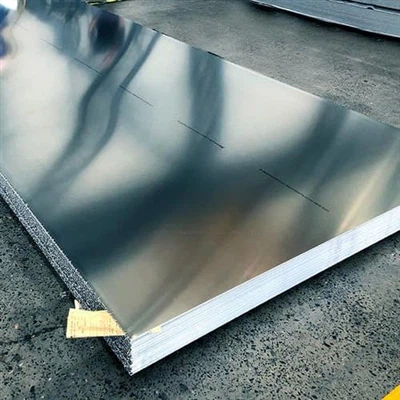
When it comes to high-end construction projects that demand uncompromising strength, durability, and lightweight performance, 7071 and 7075 aluminum sheet plates stand out as industry-leading choices. As part of the 7xxx series (aluminum-zinc-magnesium-copper alloys), these two materials deliver ultra-high tensile strength that rivals many steels-all while offering the corrosion resistance, formability, and aesthetic versatility critical for modern architecture. Compliant with global standards (ASTM B209, EN 485-2, GB/T 3880), they're trusted by architects, engineers, and contractors worldwide for iconic skyscrapers, complex curtain walls, high-load structural components, and luxury building facades where ordinary aluminum simply can't meet the demands.
What makes 7071 and 7075 ideal for construction? Unlike standard construction aluminum alloys (such as 6061 or 3003), these 7xxx series alloys are heat-treatable, unlocking exceptional strength-to-weight ratios. This means they can support heavy loads, reduce overall building weight (cutting down on foundation and structural costs), and withstand harsh environmental conditions-from coastal salt spray to extreme temperature fluctuations. 7075 is widely recognized as one of the strongest aluminum alloys available, while 7071 offers a balanced blend of strength, formability, and cost-effectiveness for slightly less demanding high-strength applications. Below, we break down their key properties, construction-specific uses, selection tips, and practical guidelines to help you make the right choice for your project.
Core Properties of 7071 & 7075 Aluminum Alloys for Construction
Both 7071 and 7075 belong to the 7xxx series, characterized by their aluminum-zinc-magnesium-copper composition-the secret behind their ultra-high strength. While they share core advantages, subtle differences in chemical makeup make each better suited for specific construction scenarios. Let's dive into their key properties:
1. 7075 Aluminum Sheet Plate: The Gold Standard for Ultra-Strength Construction
7075 is the most well-known ultra-high strength aluminum alloy, and for good reason. Its precise blend of zinc (5.1-6.1%), magnesium (2.1-2.9%), copper (1.2-2.0%), and aluminum creates a material with tensile strength reaching up to 570 MPa (after T6 heat treatment)-far exceeding most construction-grade aluminum. This makes it the top choice for structural components that bear heavy loads or require exceptional durability. It also offers good machinability, allowing for precise fabrication of complex architectural elements, and its natural silver finish provides a sleek, modern aesthetic that works well with both industrial and luxury design styles.
While 7075's corrosion resistance is moderate on its own, proper surface treatments (like anodization, powder coating, or PVDF coating) significantly enhance its ability to withstand harsh environments-critical for outdoor construction elements. Its only real limitation is formability: compared to more malleable alloys, it requires careful handling during bending or shaping, especially for thick plates.
Key Construction-Specific Specifications: Temper: T6, T651 (most common for construction); Thickness range: 1.5mm – 25.0mm; Tensile strength: 500–570 MPa (T6 temper); Elongation: ≥6% (T6 temper); Density: 2.81g/cm³; Hardness: 150–190 HB (T6 temper).
2. 7071 Aluminum Sheet Plate: Balanced Strength & Formability for Construction
7071 is a specialized 7xxx series alloy tailored for construction applications that need high strength but also require better formability than 7075. With a slightly adjusted chemical composition (lower zinc and copper content than 7075), it delivers excellent tensile strength (up to 480 MPa in T6 temper) while being easier to bend, roll, and fabricate into complex shapes-making it ideal for curved curtain walls, decorative structural elements, and custom architectural details. It maintains the 7xxx series' signature lightweight advantage and offers similar corrosion resistance to 7075, requiring surface treatments for outdoor use in harsh climates.
For many construction projects, 7071 strikes the perfect balance between performance and practicality. It's more cost-effective than 7075 while still outperforming mid-strength alloys, making it a popular choice for high-end residential buildings, boutique commercial spaces, and architectural features where both strength and design flexibility matter.
Key Construction-Specific Specifications: Temper: T6, T651; Thickness range: 1.2mm – 20.0mm; Tensile strength: 420–480 MPa (T6 temper); Elongation: ≥8% (T6 temper); Density: 2.80g/cm³; Hardness: 130–170 HB (T6 temper).
Ideal Construction Applications for 7071 & 7075 Aluminum Sheet Plates
Thanks to their ultra-high strength and versatile performance, 7071 and 7075 aluminum sheets are used in a range of high-demand construction scenarios. Here's how they're typically applied in modern building projects:
7075 Aluminum: For High-Load & Critical Structural Components
Curtain Walls & Cladding for Skyscrapers: 7075's strength allows for thinner, lighter curtain wall panels that still withstand high wind loads and seismic activity-ideal for tall buildings where weight reduction is critical.
Structural Beams & Columns: Used in high-load-bearing parts of buildings, such as bridge connections, roof trusses, and floor supports, where exceptional strength and durability are non-negotiable.
High-End Building Facades: Its sleek finish and strength make it perfect for luxury building facades, especially in coastal areas (with proper coating) where corrosion resistance is key.
Transportation Hubs & Public Spaces: Applied in airports, train stations, and stadiums for structural components that need to handle heavy foot traffic and extreme use.