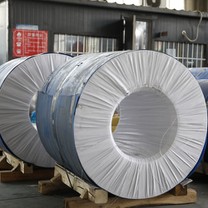
Understanding What Is 7075 Aluminum Alloy
7075 aluminum alloy is a cold-worked and forged aluminum material known for its exceptionally high strength, often exceeding that of conventional steels. It is regarded as one of the strongest aluminum alloys used in commercial and industrial applications. With a compact internal structure and solid corrosion resistance, 7075 aluminum is particularly well suited for aerospace and marine environments. Its overall corrosion resistance, outstanding mechanical performance, and favorable anodizing response make it highly desirable. In addition, its fine grain structure improves deep-hole drilling capability and reduces tool wear during machining.
Main Alloying Elements
The primary alloying element in 7075 aluminum is zinc. When magnesium is added to alloys containing approximately 3%–7.5% zinc, the formation of MgZn₂ significantly improves the effectiveness of heat treatment compared to binary aluminum–zinc alloys. Increasing zinc and magnesium content further enhances tensile strength, although it may reduce resistance to stress corrosion cracking and exfoliation corrosion.
After proper heat treatment, 7075 aluminum can achieve extremely high strength levels. Small amounts of copper, chromium, and other elements are also added to refine performance. Among its tempers, 7075-T651 aluminum is especially notable and is often considered one of the highest-performing aluminum alloy products available. It offers strength well beyond that of ordinary steel, along with excellent mechanical properties and anodic response. Typical applications include aerospace components, mold manufacturing, machinery equipment, fixtures, and high-strength, corrosion-resistant structural parts.
Characteristics of 7075 Aluminum Alloy
7075 aluminum is a cold-worked alloy characterized by very high strength and hardness, surpassing that of many common steels. It provides good general corrosion resistance, excellent mechanical properties, and strong anodizing performance. Its refined grain structure improves deep-hole drilling accuracy, enhances tool wear resistance, and supports efficient thread rolling. These qualities make it an ideal choice for applications requiring low density combined with high hardness and strength.

The 7xxx Series Aluminum Alloys
The 7xxx series aluminum alloys belong to the Al–Zn–Mg–Cu "super-hard" aluminum family. Introduced into aerospace applications in the late 1940s, these alloys remain widely used in aviation today. They exhibit excellent plasticity after solution heat treatment, outstanding response to heat-treatment strengthening, high strength below 150 °C, and excellent low-temperature performance.
However, their weldability is relatively poor, and they are susceptible to stress corrosion cracking, which often necessitates protective surface treatments such as aluminum cladding. Secondary aging treatments can significantly improve resistance to stress corrosion cracking. In annealed and quenched conditions, their plasticity is slightly lower than that of 2A12 but superior to 7A04 in the same state. Compared with 7A04, 7075 plates demonstrate better static fatigue performance and lower notch sensitivity. The typical density of 7075 aluminum is approximately 2.85 g/cm³.
GNEE 7075 Aluminum Supplier
Physical and Mechanical Properties
Tensile Strength: 524 MPa
0.2% Yield Strength: 455 MPa
Elastic Modulus (E): 71 GPa
Hardness: 150 HB
Density: 2.81 g/cm³
Chemical Composition
Silicon (Si): 0.40%
Iron (Fe): 0.50%
Copper (Cu): 1.2–2.0%
Manganese (Mn): 0.30%
Magnesium (Mg): 2.1–2.9%
Chromium (Cr): 0.18–0.28%
Zinc (Zn): 5.1–6.1%
Titanium (Ti): 0.20%
Aluminum (Al): Balance
Other elements: Individual ≤0.05%, Total ≤0.15%
Key Features of 7075 Aluminum Alloy
High-strength, heat-treatable alloy
Excellent mechanical properties
Good machinability
Easy to process with high wear resistance
T7351 temper enhances corrosion and fracture resistance
Ideal for high-stress structural applications
Applications of 7075 Aluminum Alloy
7075 aluminum alloy is extensively used in aerospace, mold manufacturing, machinery equipment, and other industries requiring high strength and corrosion resistance under heavy stress. Its versatility, superior mechanical performance, and durability make it an excellent choice for demanding industrial applications.
Mechanical Performance Notes
Unless otherwise specified, alloying element contents are expressed as maximum percentages. Property ranges are determined through observation or calculation in accordance with recognized standards (such as ANSI Z25.1). For alloyed aluminum, the specified element content is documented in analysis reports. If unexpected elements are detected, additional analysis is conducted until confirmed.
Unrefined non-alloyed aluminum may contain trace differences between total impurities and 100% aluminum, typically around 0.01% or slightly higher. It may also contain up to 0.25% zirconium and titanium.
7075-T651 Conclusion
7075 aluminum alloy is a high-strength, corrosion-resistant, cold-worked forging alloy widely applied in aerospace, mold manufacturing, machinery equipment, and other high-demand fields. Through appropriate heat treatment, its strength, mechanical performance, and corrosion resistance can be further optimized. With excellent machinability, wear resistance, and heat resistance, 7075 aluminum is a reliable solution for producing high-stress structural components. Precise control of alloy composition and heat-treatment processes is essential to ensure consistent performance and long-term reliability in critical applications supplied by GNEE.