7075 Aluminium vs 6061 Aluminium
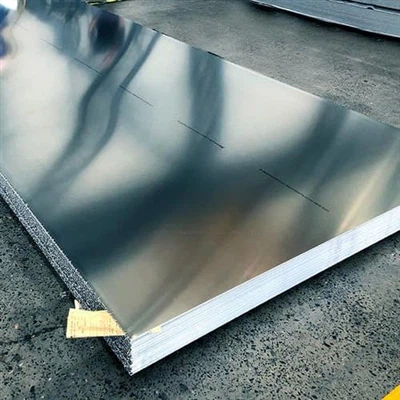
Choosing the right aluminium alloy is critical for your projects. GNEE supplies premium 7075 and 6061 aluminium plates, sheets, and bars, ensuring the right combination of strength, corrosion resistance, and machinability for your application. Here's a detailed comparison to help you make an informed decision.
Overview of 7075 Aluminium Alloy
7075 aluminium alloy belongs to the 7XXX series, primarily alloyed with zinc and copper. Known as an "aircraft-grade" alloy, 7075 is valued for its high strength, hardness, and wear resistance. Commonly used in aerospace, defence, and high-stress applications, 7075 is often supplied in T6 temper for optimal mechanical performance.
Overview of 6061 Aluminium Alloy
6061 aluminium alloy is part of the 6XXX series, alloyed mainly with magnesium and silicon. It is a heat-treatable, versatile alloy with excellent corrosion resistance, machinability, and weldability. 6061 is widely used in structural, automotive, marine, and general fabrication applications.
Chemical Composition Comparison
| Element | 7075 Aluminium (%) | 6061 Aluminium (%) |
|---|---|---|
| Aluminium (Al) | 90.5–97.9 | 97.9 |
| Zinc (Zn) | 5.6 | – |
| Magnesium (Mg) | 2.5 | 0.8–1.2 |
| Copper (Cu) | 1.6 | 0.15–0.40 |
| Chromium (Cr) | 0.23 | 0.04–0.35 |
| Silicon (Si) | – | 0.4–0.8 |
| Iron (Fe) | ≤0.5 | ≤0.7 |
| Manganese (Mn) | ≤0.3 | ≤0.15 |
| Titanium (Ti) | ≤0.2 | ≤0.15 |
| Zinc (other) | – | ≤0.25 |
Mechanical Properties Comparison (T6 Temper)
| Property | 6061 Aluminium | 7075 Aluminium |
|---|---|---|
| Yield Strength | 276 MPa | 503 MPa |
| Tensile Strength | 310 MPa | 572 MPa |
| Modulus of Elasticity | 68.9 GPa | 71.7 GPa |
| Hardness (Brinell) | 95 HB | 150 HB |
| Thermal Conductivity | 167 W/m·K | 130 W/m·K |
| Electrical Resistivity | 3.99 ×10⁻⁶ Ω·cm | 5.15 ×10⁻⁶ Ω·cm |
| Melting Point | 582–652 °C | 477–635 °C |
| Machinability | Good | Fair |
| Formability | Good | Limited; requires annealing |
| Corrosion Resistance | Excellent; enhanced with coating | Excellent; slightly higher natural corrosion resistance |
Key Differences Between 7075 vs 6061 Aluminium
Strength: 7075-T6 is nearly twice as strong as 6061-T6 and has 1.5× shear strength.
Machinability: 6061 is easier to machine, making it ideal for precision fabrication.
Formability & Welding: 6061 alloys are more formable and weldable; 7075 requires annealing for shaping or welding.
Corrosion Resistance: Both alloys resist corrosion; 6061 may need protective coatings in harsh environments.
Anodising: Both alloys anodize well, producing a transparent and durable oxide layer; excessive zinc in 7075 may cause brown discoloration.
Density: 7075 is slightly denser at 2.81 g/cm³, whereas 6061 is 2.7 g/cm³.
Applications of 7075 Aluminium Alloy
Due to its high strength and hardness, 7075 aluminium is suitable for:
Aerospace: Aircraft fuselages, wings, and structural components
Defence: Missiles, military vehicles, and tactical equipment
High-stress mechanical parts: Gears, shafts, and structural frames
Sporting equipment: High-performance bicycles, climbing gear
Applications of 6061 Aluminium Alloy
6061 aluminium is more versatile and easy to fabricate, ideal for:
Aerospace components: Aircraft fittings and structural panels
Marine hardware: Yachts, sailboats, and shipbuilding fittings
Automotive: Chassis, brakes, hydraulic pistons, bus bodies
Construction: Structural frames, awnings, and roofing
Consumer goods: Furniture, appliances, and beverage cans
Industrial equipment: Machinery frames, piping, and fabricated assemblies
6061 is available in sheets, plates, bars, and tubes, making it adaptable to a wide range of applications.
Summary: 7075 vs 6061 Aluminium
| Feature | 6061 Aluminium | 7075 Aluminium |
|---|---|---|
| Strength | Medium | Very High |
| Corrosion Resistance | Excellent | Excellent |
| Machinability | High | Moderate |
| Weldability | Good | Limited |
| Formability | Good | Limited; anneal required |
| Density | 2.70 g/cm³ | 2.81 g/cm³ |
| Best Use | Structural, marine, automotive, general fabrication | Aerospace, defence, high-stress structural components |
6061 aluminium is a cost-effective, versatile choice, while 7075 aluminium is the strongest commercially available aluminium alloy suitable for high-stress applications.
Why Choose GNEE for Aluminium Alloys
At GNEE, we supply premium 6061 and 7075 aluminium sheets, plates, and bars with guaranteed chemical composition and tempering. Our team can help you select the right alloy based on strength, corrosion resistance, machinability, and project requirements.
Contact GNEE today for high-quality aluminium alloys ready for immediate delivery to your site.