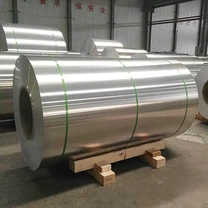
6061-T6 aluminum stands out from many other aluminum alloys due to its combination of high strength and light weight. Its excellent strength-to-weight ratio makes 6061-T6 aluminum especially suitable for aircraft components. This article helps you evaluate whether 6061-T6 aluminum is the right choice for your application by explaining its key properties and performance characteristics.
What Is 6061-T6 Aluminum?
6061-T6 aluminum refers to 6061 alloy that has undergone tempering heat treatment. Also known as 3.3214 T6, this alloy offers high strength and excellent corrosion resistance. 6061-T6 aircraft-grade aluminum components are widely recognized for their durability and resistance to environmental damage.
6061-T6 Heat Treatment
During heat treatment, the aluminum is reheated at a relatively low temperature for several hours, then allowed to cool slowly at room temperature. This controlled process relieves the quenching-related thermal and mechanical stresses that can accumulate during machining.
Is 6061-T6 Aluminum Stronger Than Steel?
6061-T6 aluminum is not stronger than steel, but it is significantly lighter. Because of this, it is often used in applications where minimizing weight while maintaining sufficient strength is essential.

Chemical Composition
3.3214 T6 aluminum contains alloying elements such as magnesium, silicon, zinc, copper, and titanium. The combination of these elements, together with heat treatment, produces a high-strength, corrosion-resistant aluminum alloy.
| Element | Percentage (%) |
|---|---|
| Magnesium | 0.8–1.2 |
| Silicon | 0.4–0.8 |
| Copper | 0.15–0.40 |
| Iron | 0.7 max |
| Zinc | 0.25 max |
| Chromium | 0.04–0.35 |
| Titanium | 0.15 max |
| Manganese | 0.15 max |
| Aluminum | Remainder |

Temper Designation: T6
The T6 designation indicates that the alloy has been solution heat-treated and artificially aged. This process removes internal stresses created during quenching and machining. Tempering increases hardness, which can raise the risk of cracking, so the controlled heat-treatment process helps improve ductility and reduce brittleness.
6061-T6 Aluminum Equivalent Grades
Common equivalents to 6061-T6 include:
AA 6061-T6
Alcoa 6061-T6
ASTM B221
EN AW-6061
3.3214 T6
Advantages and Disadvantages of 6061-T6 Aluminum
Advantages:
Lightweight
High corrosion resistance
Excellent strength
Easy to machine
Disadvantages:
More expensive than some other materials
Not as strong as steel
Understanding these pros and cons helps determine whether 6061-T6 is suitable for your intended use.
6061-T6 Aluminum Forms: Sheet, Plate & Bar
Heat-treatable aluminum alloys like 6061-T6 are available in several forms, allowing fabrication into a wide range of components.
Sheets & Plates: Used in machinery, construction, automotive parts, and electrical components.
Bars: Commonly used for ladders, fasteners, and structural parts.
6061-T6 Aluminum Cost
3.3214 T6 aluminum is relatively affordable compared with other aluminum alloys offering similar performance. Pricing varies depending on the purchased size, form, and processing requirements.
Physical Properties
Understanding the physical characteristics of 3.3214 T6 aluminum helps determine its suitability for different industrial applications.
Density
2.70 g/cm³
Thermal Expansion
23.6 µm/m·°C
Thermal Conductivity
167 W/m·K
Mechanical Properties of 6061-T6
6061-T6 aluminum exhibits a unique combination of mechanical properties, making it a versatile engineering material.
Brinell Hardness: 95 HB
Rockwell Hardness: B60
Tensile Strength: 310 MPa
Yield Strength: 276 MPa
Elongation (2 in): 12%
Young's Modulus: 68.9 GPa
Shear Modulus: 26 GPa
Fatigue Strength: 96.5 MPa
Machinability of 6061-T6 Aluminum
6061-T6 aluminum is known for its excellent toughness and machinability. It delivers a smooth surface finish and performs exceptionally well in CNC machining. GNEE provides high-precision machining services for 6061-T6 components.
Can You Bend 6061-T651 Aluminum?
6061-T651 can be bent, but it should be heated prior to bending to avoid cracking. Post-bending heat treatment is often used to help relieve internal stresses.
6061-T6 Aluminum Applications
6061-T6 aluminum is used across multiple industries:
| Industry | Applications |
|---|---|
| Aerospace | Structural components |
| Automotive | Vehicle parts |
| Construction | Structural beams |
| Electronics | Heat sinks, electrical components |
| Marine | Boat frames, marine fittings |
| Consumer Goods | Bicycles, sports equipment |
6061-T6 Aluminum Compared to Other Materials
6061-T6 vs. 5052-H32 (in CNC Machining)
Machinability
6061-T6: Easier and more precise
5052-H32: Slightly more difficult; may wear tools faster
Surface Finish
6061-T6: Smoother finish
5052-H32: Rougher finish, may need additional polishing
Dimensional Stability
6061-T6: Holds tolerances well
5052-H32: More prone to deformation
Applications
6061-T6: Ideal for strength and precision
5052-H32: Better where flexibility and corrosion resistance matter
6061-T6 vs. 6063-T6
6063-T6 offers better surface appearance and aesthetics, while 6061-T6 provides superior strength for structural applications.
6061-T6 vs. 7075
7075 is stronger but more expensive. It is preferred for high-strength aerospace components. For general use, 6061-T6 remains more cost-effective and easier to work with.
7075-T6 vs. 6061-T6
7075-T6 has higher tensile strength, while 6061-T6 provides better corrosion resistance and is easier to fabricate.
6061-T6 vs. 6061-T4
6061-T4 is softer and more formable, making it ideal for shaping. However, 6061-T6 offers greater strength once fully aged.
6063-T52 vs. 6061-T6
6063-T52 is used where appearance and surface finish are important. 6061-T6 is preferred for heavy-duty structural applications.
2024-T3 vs. 6061-T6
2024-T3 provides excellent strength and fatigue resistance but has poorer corrosion resistance. 6061-T6 offers a more balanced combination of corrosion resistance and mechanical strength.
6061-T5 vs. 6061-T6
Both belong to the same alloy family, but cooling methods differ. This results in slight variations in mechanical properties, with 6061-T6 offering higher strength.

When Should You Choose 6061-T6 Aluminum?
6061-T6 is ideal for aircraft structures, high-precision machining, and applications requiring both strength and fatigue resistance. Its excellent machinability and formability make it suitable for complex, load-bearing components.