What Is a Ship Side?
The ship's side refers to the outer surface of the hull, extending both above and below the waterline. It essentially forms the outer shell of the vessel, serving as a protective barrier between the internal structure and the marine environment, including exposure to seawater, waves, and impacts.
The Role of the Ship's Side in the Hull
The sides of a ship play a critical role in maintaining the strength, stability, and performance of the vessel. Their main functions include:
Structural Integrity:
The ship's side provides essential strength and stiffness to the hull, enabling it to withstand environmental forces such as waves, wind, and pressure.
Buoyancy:
It contributes to the ship's buoyancy and stability, ensuring the vessel remains balanced and afloat in the water.
Protection:
The ship's side acts as a barrier, safeguarding internal compartments, machinery, and cargo from saltwater corrosion, marine organisms, and mechanical damage.
Hydrodynamics:
The design and material of the ship's side influence hydrodynamic efficiency, directly affecting the speed, fuel economy, and maneuverability of the vessel.
Why Choose 5083 Aluminum for Ship Sides?
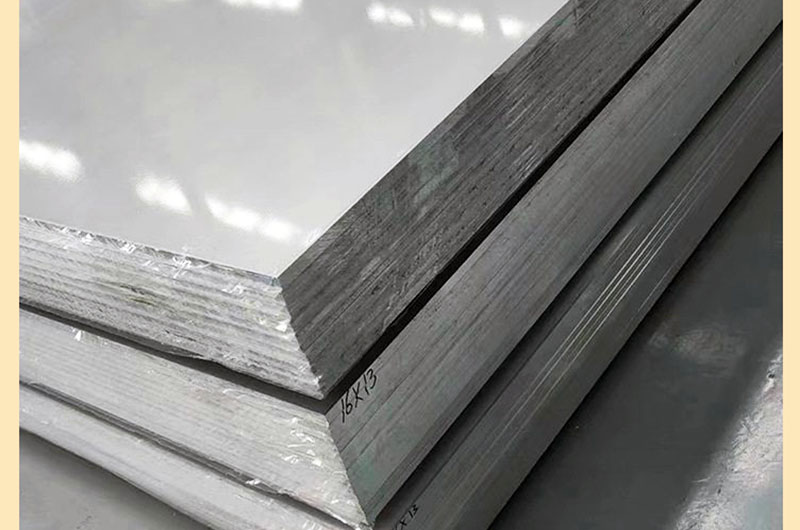
5083 aluminum alloy is widely recognized in the shipbuilding industry for its superior mechanical and corrosion-resistant properties. Its unique combination of strength, light weight, and weldability makes it ideal for hull and side structures.
Corrosion Resistance:
5083 aluminum offers exceptional resistance to seawater and marine atmospheres, making it highly suitable for offshore and coastal vessels.
High Strength-to-Weight Ratio:
The alloy provides excellent structural strength without adding excessive weight, improving fuel efficiency and vessel performance.
Excellent Weldability:
5083 aluminum's superior welding characteristics are crucial for building large ship structures that require strong, seamless joints.
Durability:
It maintains its mechanical properties and shape stability under harsh environmental conditions, ensuring a long service life.
Formability:
5083 aluminum can be easily formed into complex shapes, which supports modern ship design and precision fabrication.

Common Tempers of 5083 Aluminum Used for Ship Sides
5083 H116
Processing: Strain-hardened and partially annealed.
Features: Specifically treated to enhance corrosion resistance in seawater.
Applications: A preferred choice for marine hulls and side panels, offering a balance between strength and corrosion resistance.
5083 H321
Processing: Strain-hardened and stabilized through low-temperature heat treatment.
Features: Exhibits superior corrosion resistance and high strength, suitable for long-term use in marine environments.
Applications: Ideal for ship sides, decks, and high-stress structural areas.
Specifications and Certifications of 5083 Marine Aluminum Sheets
To ensure quality and reliability, 5083 aluminum sheets and plates used for ship sides comply with international standards and certifications, including:
ASTM B209:
Specifies requirements for aluminum and aluminum-alloy flat products such as plates and sheets. 5083 aluminum used in shipbuilding typically conforms to this standard.
EN 485-2:
Defines the mechanical properties of wrought aluminum alloys for general engineering and structural use in Europe.
ABS (American Bureau of Shipping) Certification:
Confirms compliance with shipbuilding standards, ensuring material reliability for marine structures.
DNV GL (Det Norske Veritas Germanischer Lloyd) Certification:
Ensures materials meet strict safety and performance standards for marine applications.
Why 5083 Aluminum Is Ideal for Ship Sides
5083 aluminum is selected primarily for its outstanding corrosion resistance, which allows it to withstand continuous saltwater exposure without significant degradation. Its high strength and low density enhance structural integrity while minimizing overall vessel weight-an essential factor in improving fuel economy and maneuverability.
Moreover, the excellent weldability of 5083 aluminum enables the fabrication of large, integrated hull structures while maintaining material integrity and performance. When choosing temper conditions, H116 and H321 are typically preferred for their enhanced corrosion resistance and mechanical stability.
Standards such as ASTM B209 and EN 485-2, along with ABS and DNV GL certifications, ensure that 5083 aluminum plates meet international marine-grade quality requirements, offering reliability and safety for shipbuilding projects.
Conclusion
GNEE, a leading Chinese supplier of marine-grade aluminum, provides 5083 aluminum sheets and plates certified by ABS and DNV GL, ensuring exceptional corrosion resistance, strength, and weldability. These properties make 5083 aluminum the optimal choice for ship sides, guaranteeing long-term performance, durability, and compliance with the most demanding marine industry standards.