Containers are large, standardized cargo units designed for efficient loading, transportation, and unloading. Their development has significantly boosted international trade and logistics by reducing costs and enhancing efficiency through standardized and modular cargo handling.
Common Aluminum Alloys for Containers
GNEE supplies aluminum plates for containers primarily using alloys such as 6082, 6061, and 5083. These alloys are favored for their excellent processing performance, weldability, corrosion resistance, high toughness, and dimensional stability after processing. The materials are dense, free of defects, easy to polish, suitable for coating, and exhibit strong oxidation resistance.
Technical Specifications of Aluminum Plates for Containers
| Series | Alloy | Temper | Thickness (mm) | Width (mm) | Length (mm) |
|---|---|---|---|---|---|
| 5000 series | 5083 | F, O, H12, H14, H16, H18, H19, H22, H24, H26, H28, H32, H34, H36, H38, H111, H112, H114, H116, H321 | 0.5–500 | 20–2650 | 500–16000 |
| 6000 series | 6061 | F, O, T4, T6, T651, H112 | 0.3–500 | 100–2800 | 500–16000 |
| 6082 | 6082 | O, T4, T6, T651 | 0.3–600 | 500–2600 | 500–16000 |
Standards: Chinese, American, European, Japanese, and others.
6061 Aluminum Plate for Containers
Thickness: 0.3–500mm
Width: 100–2800mm
Length: 500–16000mm
Tempers: F, O, T4, T6, T651, H112
Applications: Mobile phone slots, phone cases, molds, automobiles, precision machining, etc.
Performance: Excellent corrosion resistance, good processing performance, minimal deformation during cutting, easy coating, and good oxidation properties.
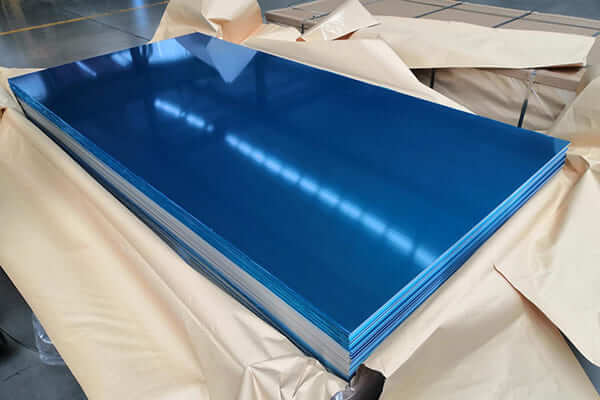
6061 aluminum plate for containers
6082 Aluminum Plate for Containers
Thickness: 0.3–600mm
Width: 100–2650mm
Length: 500–16000mm
Tempers: F, O, T4, T6, T651, H112
Applications: Mobile phones, camera lenses, industrial molds, and similar applications.
Performance: Medium strength, good workability, strong corrosion resistance, weldable, and formable.
Thickness Selection of Aluminum Plates for Containers
GNEE provides aluminum plates ranging from 0.3mm to 600mm in thickness. For containers, the typical thickness is usually between 2.5mm and 10mm, depending on required strength and the operating environment.
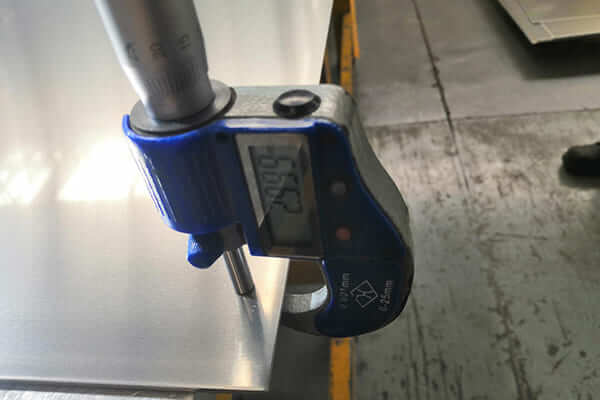
3mm thickness aluminum plate for container
Factors Influencing Thickness Selection:
Usage environment
Required strength and corrosion resistance
Weight considerations
Cost budget
For transporting heavy loads or use in harsh marine environments, thicker aluminum plates are recommended for enhanced strength and corrosion resistance. For light-duty applications or mild environments, thinner plates can be used to save weight and reduce costs.
Why Aluminum Plates Are Used for Containers:
Lightweight: Aluminum reduces overall container weight, lowering shipping costs.
Corrosion Resistance: Aluminum resists weathering and corrosion under various climatic conditions.
High Strength: Aluminum combines lightness with strong structural integrity for heavy loads.
Recyclability: Aluminum containers are environmentally friendly due to their high recyclability.
GNEE's aluminum plates for containers provide an optimal balance of durability, corrosion resistance, and cost-effectiveness for global container manufacturing.