The ship deck is critical to the hull's structural integrity. It is not simply a platform on the hull, but it also serves crucial tasks such as supporting the hull structure and protecting cabins from mechanical equipment.
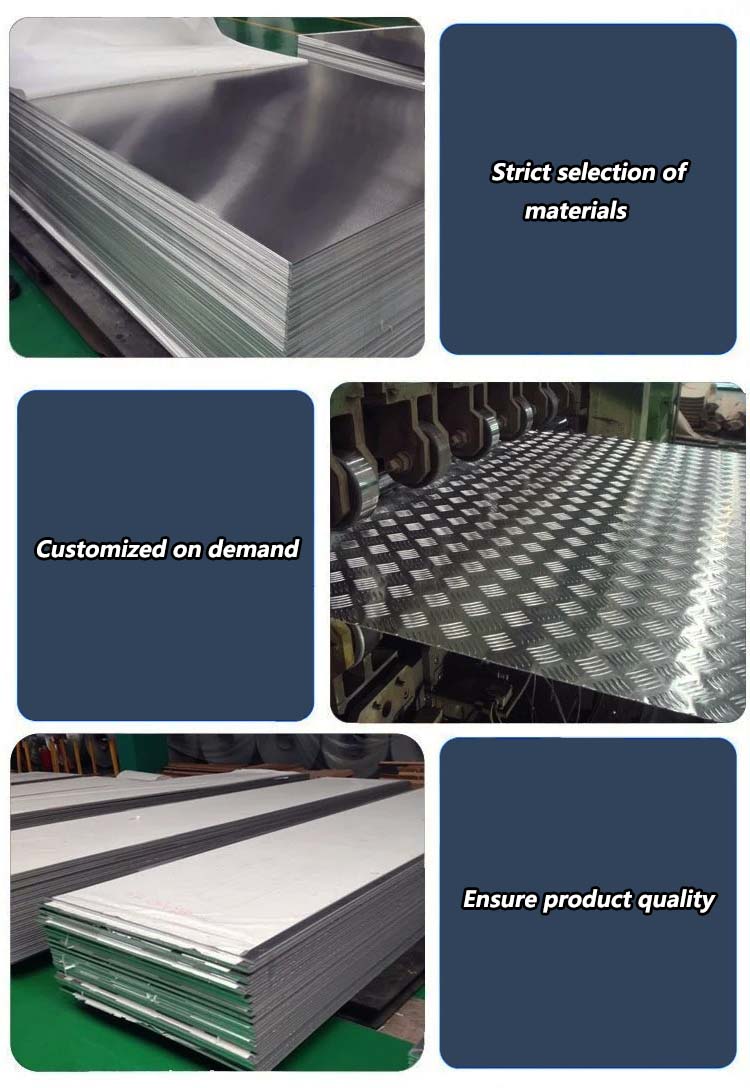
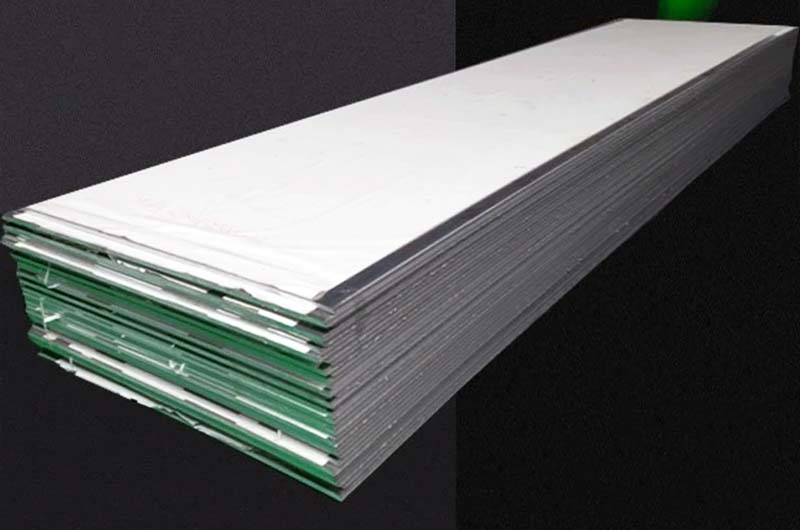
Generally, ship decks are made of aluminum plates and frames. Aluminium plates have great corrosion resistance and lightweight qualities, allowing ships to cut weight while increasing speed and fuel efficiency at sea. Simultaneously, the strength of the aluminum plate can match the requirements for using the hull in demanding marine settings.
Ship decks serve several essential functions in ship operations:
Structural Support: The deck provides a stable platform for crew movement and equipment installation. It distributes the weight of cargo, machinery, and personnel evenly throughout the ship's structure.
Safety: Well-designed decks are crucial for ensuring the safety of crew members and passengers.
Functionality: Depending on the ship type, decks may incorporate features such as cargo-handling equipment, anchor points for securing loads, and access pathways to other ship areas.
Beyond selecting aluminum plates with strong corrosion resistance, decks can also be protected with anti-corrosion coatings, sealants, and other materials to ensure durability in harsh marine environments.
When designing and choosing materials for ship decks, considerations such as corrosion resistance, water resistance, structural strength, and buoyancy are critical to ensuring safe and stable navigation in challenging marine conditions.
Ship decks require high levels of corrosion resistance, water resistance, anti-slip, and wear resistance, which is why marine-grade aluminum alloys such as 5052, 5083, 5086, and 6061 are commonly used.
Advantages of 5052, 5083, and 5086 Marine Aluminum Plates for Ship Decks
Corrosion Resistance: These alloys exhibit excellent resistance to marine corrosion. Exposure to saltwater accelerates metal degradation, so the corrosion resistance of 5052, 5083, and 5086 helps extend deck life, reduce maintenance costs, and ensure long-term durability.
Lightweight: Compared with steel, these aluminum alloys are significantly lighter, improving fuel efficiency, maneuverability, and, in many cases, increasing payload capacity.
Strength-to-Weight Ratio: Despite their low weight, these alloys maintain excellent structural integrity and load-bearing capacity without adding unnecessary bulk to the ship.
Formability: 5052, 5083, and 5086 aluminum alloys can be easily formed into complex shapes, allowing shipbuilders to optimize deck layouts for functional and operational needs.
Low Maintenance: Aluminum decks generally require less maintenance than steel decks due to their corrosion resistance and durability in marine environments, reducing downtime and operational costs over the vessel's lifespan.
By combining strength, corrosion resistance, lightweight construction, and ease of maintenance, GNEE's 5052, 5083, and 5086 marine aluminum plates are a preferred choice for ship decks and many other maritime applications.