Trailers are used for a variety of functions, including moving cargo and creating transportable living areas. The skin of your trailer determines its longevity, functionality, and attractiveness. Aluminum sheets are a popular choice due to their lightweight nature, corrosion resistance, and adaptability. However, choosing the proper aluminum sheet requires taking into account a number of parameters, like alloy, thickness, finish, and kind, among others. Understanding your trailer's individual needs is the first step in picking the appropriate aluminum sheet. Whether you're creating a cargo trailer, a food truck, or an RV, the material requirements may differ. This article will walk you through the process and help you make an informed decision about your trailer project.
Choosing the Right Aluminum Alloys for Trailers
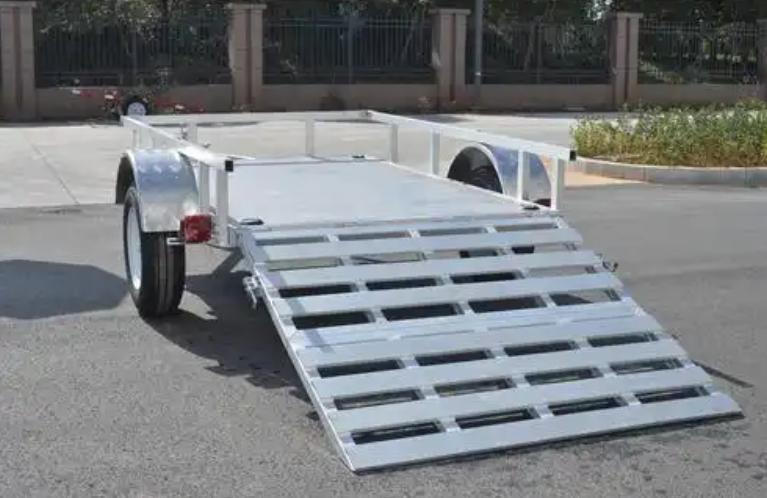
Aluminum alloys combine aluminum with other elements, such as magnesium, manganese, or silicon, to improve specific qualities. For trailer applications, durability and corrosion resistance are critical. The most popular aluminum alloys for trailers are
| Alloy | Advantages | Ideal Applications |
| 6061-T6 | High strength-to-weight ratio. Excellent weldability. Good corrosion resistance. Versatile. |
Structural components (frames, supports). Sidewalls and roofs. General-purpose trailers. |
| 5052-H32 | Excellent corrosion resistance (especially in marine environments). Good formability. Good weldability. |
Marine trailer skins. Trailers exposed to harsh weather. Applications requiring good formability. |
| 3003-H14 | Excellent formability. Moderate strength. Cost-effective. |
Interior panels. Applications requiring deep drawing or bending. Cosmetic paneling. |
When choosing an aluminum alloy for your trailer, consider aspects like exposure to the environment, needed strength, and ease of manufacture. For conventional trailer siding, 3003 or 5052 aluminum is frequently the best option, but 6061 is better suited to high-strength structural purposes.
Choosing the Right Aluminum Sheet Thickness for Your Trailer
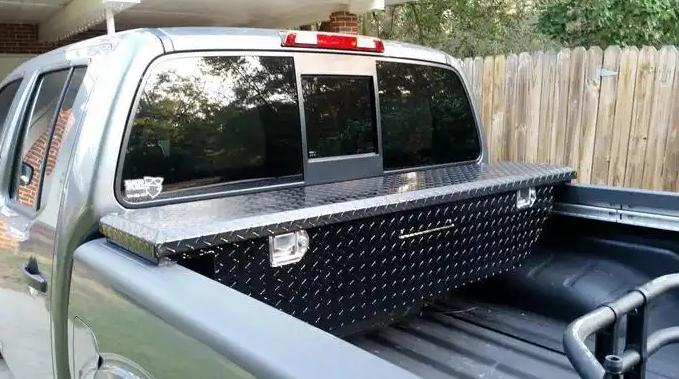
| Thickness (Inches) | Advantages | Ideal Applications | Load Capacity Considerations |
| 0.025″ – 0.040″ (Thin) | Lightweight. Cost-effective. Flexible and easy to work with. |
Interior panels. Cosmetic skins. Applications where weight reduction is crucial. cosmetic or light duty covering. |
Low load capacity, prone to damage |
| 0.050″ – 0.080″ (Medium) | Good balance of strength and weight. Provides adequate protection. Versatile for various applications. |
Sidewalls and roofs of cargo and utility trailers. General-purpose trailers. most common sizes for general purpose trailers. |
Moderate load capacity, common choice. |
| 0.090″ and above (Thick) | Maximum strength and impact resistance. Enhanced structural integrity. Durable for heavy-duty applications. |
Heavy-duty trailers. Off-road trailers. Flooring for heavy equipment trailers. trailers where impact is expected |
High load capacity, maximum durability. |
Choosing the Right Aluminum Sheets Color and Finishes for Trailers
| Finish Type | Pros | Cons | Ideal Applications |
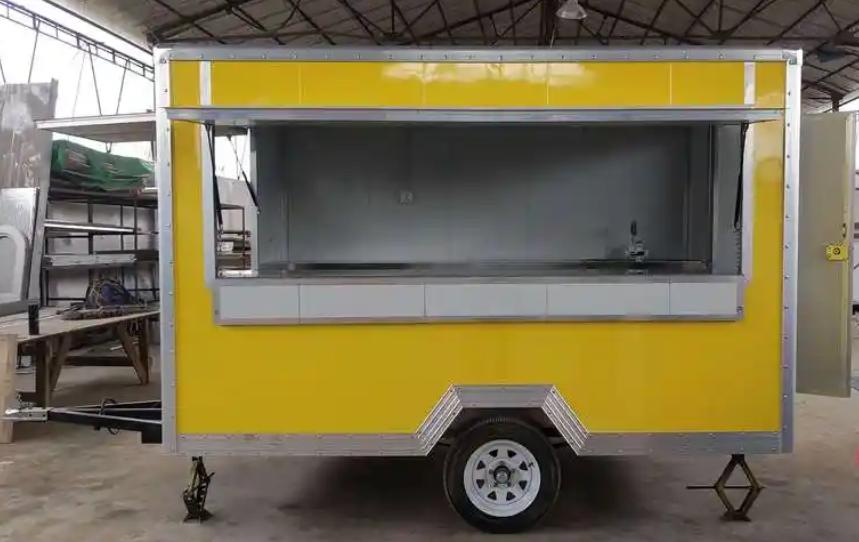
| Aluminum Painted Sheet (Powder Coated, Baked Enamel) | Durable, wide color range, weather-resistant | Can chip or scratch, potential for fading over time | Exterior panels, custom designs, trailers needing specific colors |
| Anodized Aluminum Sheet | Enhanced corrosion resistance, metallic sheen, various color options | Limited color range compared to paint, can be more expensive | Exterior trim, decorative panels, trailers emphasizing a modern look |
| Mill Finish Aluminum Sheet | Cost-effective | Requires additional protection, prone to oxidation | Interior panels, applications where cost is primary, projects where painting will be done later |
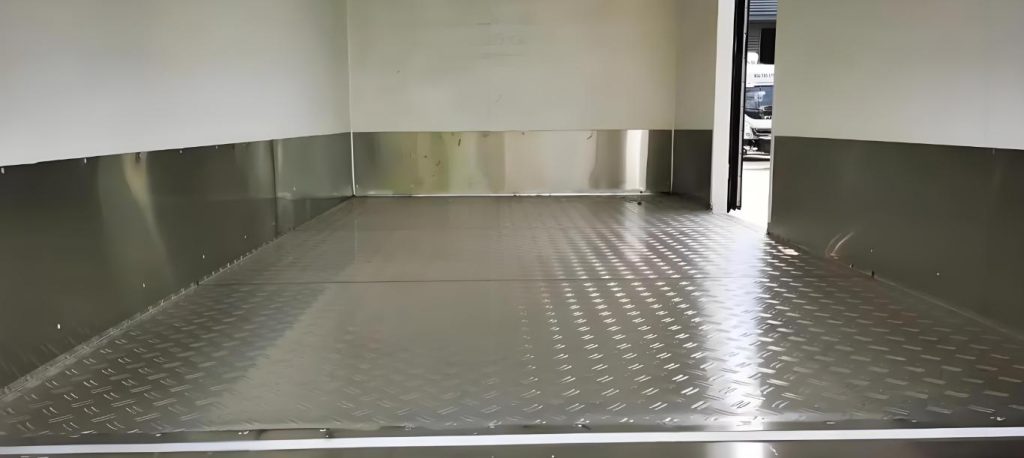
| Aluminum Diamond Plate | Slip-resistant, durable, hides scratches and dents | Adds weight, can be difficult to clean | Trailer floors, ramps, exterior trim for utility trailers |
Choosing the Right Type of Aluminum Sheets for Trailers
| Sheet Type | Features | Ideal Applications |
| Smooth Sheets | Flat, uniform surface, easy to clean | Exterior panels, interior walls, applications needing a clean aesthetic |
| Diamond Plate Sheets | Raised diamond pattern, slip-resistant, hides damage | Trailer floors, ramps, toolboxes, areas requiring traction |
| Embossed Sheets | Raised patterns add texture and rigidity | Interior panels, decorative trim, areas needing a unique look |
| Corrugated Sheets | Ribbed pattern, increased structural rigidity | Trailer roofs, exterior walls, applications needing extra strength |
Choosing the best aluminum sheet for your trailer necessitates careful consideration of a number of aspects, including alloy type, thickness, size, finish, and sheet type. The ideal decision is determined by your trailer's intended purpose, environmental exposure, and desired aesthetics. If you need aluminum sheets, please contact GNEE.