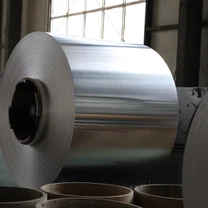
A well-known commercial pure aluminum plate, the 1100 is prized for its exceptional thermal and electrical conductivity, high ductility, and resistance to corrosion. Applications needing formability, surface quality, and lightweight qualities are best suited for it. Because GNEE 1100 aluminum plate is produced under stringent quality control, its thickness, flatness, and smooth surface are all consistent, making it appropriate for a range of packaging, architectural, and industrial uses.
1. What are 1100 aluminum plate's primary features?
The 1100 aluminum plate offers exceptional workability, exceptional corrosion resistance, and lightweight strength. It is ideal for heat exchangers, electrical components, roofing, and signage because of its high thermal and electrical conductivity. High forming and bending requirements are met by the engineering of GNEE 1100 H14 aluminum plate, guaranteeing dependable durability and smooth surface for intricate designs.
2. Where is 1100 aluminum plate frequently utilized?
The 1100 aluminum plate finds extensive use in aerospace components, food and beverage containers, chemical processing equipment, and architectural cladding. With its superior surface finish and durable corrosion resistance, GNEE 1100 H24 aluminum plate is particularly well-suited for decorative, automotive, and construction applications. Because of its versatility, it is a popular option for international markets such as Southeast Asia, the Middle East, and Europe.
3. How does 1100 aluminum plate compare to other aluminum grades?
In contrast to 3003 aluminum plate, which has a higher strength because of its manganese content, 1100 aluminum plate is superior in terms of formability and resistance to corrosion. The 1100 grade of aluminum plate has a softer temper and better workability than the 5005 grade, but it has less mechanical strength. For both functional and aesthetic applications where surface quality is crucial, GNEE 1100 aluminum plate guarantees a flawless, smooth surface.
4. Which processing techniques work best with 1100 aluminum plates?
The soft temper and high ductility of the 1100 aluminum plate make it extremely versatile for deep drawing, stamping, rolling, bending, and cutting. Consistent dimensions and surface quality are guaranteed by the improved hardness and form stability of GNEE 1100 H24 aluminum plate. For demanding projects, it can also be painted or anodized to increase durability, oxidation resistance, and aesthetic appeal.
5. Why should industrial applications use GNEE 1100 aluminum plate?
Advanced manufacturing techniques and stringent quality control ensure that GNEE 1100 aluminum plate is produced with consistent thickness, superior flatness, and few surface flaws. It can be used for packaging, building facades, kitchenware, and automobile parts. GNEE is a reliable supplier for global markets thanks to its ISO-certified production lines and skilled logistics, which guarantee consistent product quality and prompt delivery.
In conclusion
The exceptional corrosion resistance, high ductility, and wide range of applications make the 1100 aluminum plate stand out. In order to satisfy the demands of the industrial, architectural, and packaging sectors globally, GNEE 1100 aluminum plate provides dependable performance, aesthetically pleasing surface quality, and versatility. Customers in Europe, the Middle East, and Southeast Asia favor it because of its superior quality, uniform surface finish, and variety of tempers.