


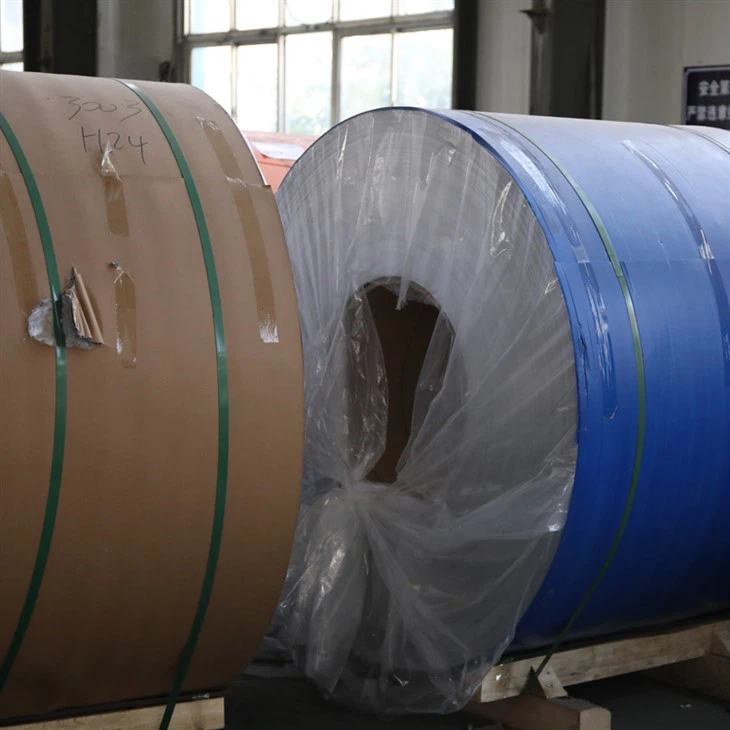
Aluminum foil is great at reflecting light, so it's often used for that purpose. The cleaner and shinier the surface of the aluminum foil, the better it reflects! The purity of the aluminum material also affects how well it reflects light - if there are impurities, they scatter the light and reduce reflectivity. To get really high reflectivity from your aluminum foil, you want a purity level of at least 99.6%.
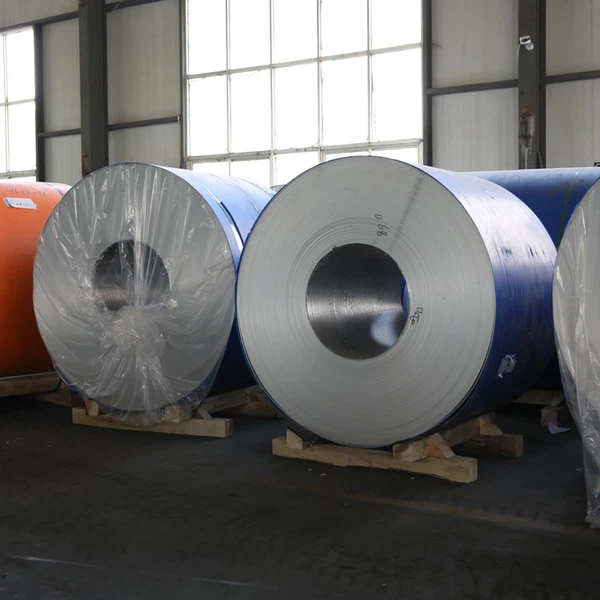
Due to the different surface finishes of aluminum foil rolls, their light reflectivity also varies. When the surface is rough, the reflectivity is greatly affected by the wavelength of irradiation light. Generally speaking, as the wavelength increases, so does the reflectivity; it reaches its highest point at 6505 m. However, for single-finish surfaces on aluminum foil, dark surfaces experience a decline in light reflectance with increasing wavelengths. It's an interesting phenomenon.
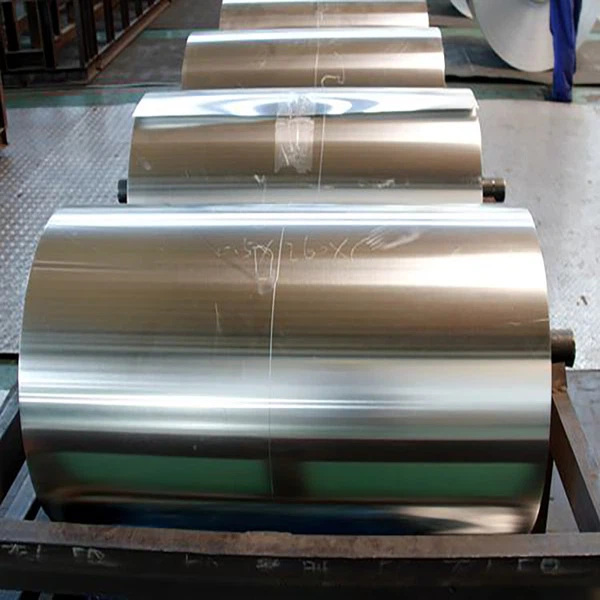
The light reflection ability of aluminum foil is particularly strong, and its reflectivity is influenced by factors such as purity, smoothness, surface roughness, and heat ray wavelength. As the purity and heat ray wavelength of the aluminum foil increase, so does its light reflectance; conversely, as flatness and surface roughness decrease, so does the light reflectivity of the aluminum foil. In the visible wavelength range of 0.38-0.765 m, the reflectivity is approximately 70%-80%.
Hot Tags: the aluminum foil uses of light reflection, China the aluminum foil uses of light reflection manufacturers, suppliers, factory


